Strength-Based Therapists in Saugeen Shores, ON
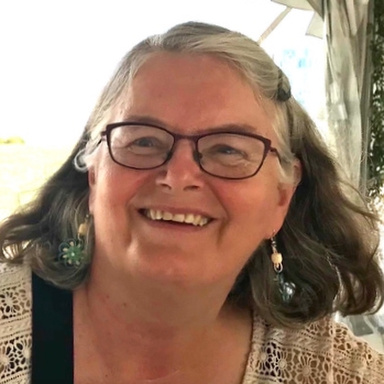
Verified by Theralist
Verified and in good standing. Last verified Nov 5, 2026
Verification confirms registration only, not fit or quality of care.
How verification worksRegistered Psychotherapist
Signy Fridriksson is a registered psychotherapist and therapist in Ottawa, Ontario, offering couples therapy for infidelity and grief counselling.

Verified by Theralist
Verified and in good standing. Last verified Nov 11, 2026
Verification confirms registration only, not fit or quality of care.
How verification worksMA, RSSW, CC-PMH
Rae Jardine is a registered social service worker and therapist in Toronto offering trauma-focused work, including with 2SLGBTQI+ clients.

Verified by Theralist
Verified and in good standing. Last verified Nov 11, 2026
Verification confirms registration only, not fit or quality of care.
How verification worksRegistered Psychotherapist (Qualifying)
Teodora Kostadinovska, a registered psychotherapist (qualifying) and therapist in Kitchener, Ontario, works with couples and teens on anxiety.
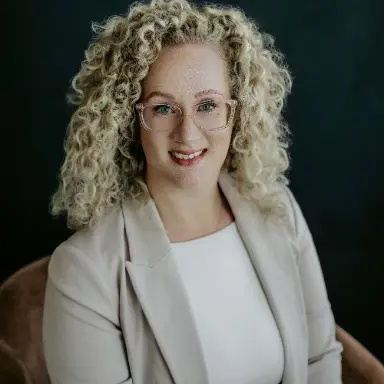
Verified by Theralist
Verified and in good standing. Last verified Nov 16, 2026
Verification confirms registration only, not fit or quality of care.
How verification worksRegistered Social Worker, Master of Clinical Social Work
Michelle Keough is a registered social worker and therapist in Calgary, Alberta, who works with couples using Emotionally Focused Therapy.

Verified by Theralist
Verified and in good standing. Last verified Nov 11, 2026
Verification confirms registration only, not fit or quality of care.
How verification worksRegistered Psychotherapist (Qualifying)
Emma Laughlan is a qualifying registered psychotherapist and therapist in Ontario who works online with teens and adults on anxiety, using IFS and DBT.
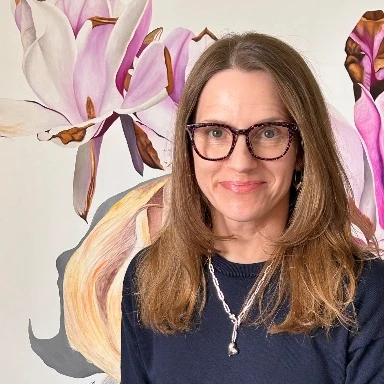
Verified by Theralist
Verified and in good standing. Last verified Nov 12, 2026
Verification confirms registration only, not fit or quality of care.
How verification worksRegistered Psychotherapist (Qualifying)
Joanna Czub is a registered psychotherapist (qualifying) and therapist in Mississauga. Works with ADHD, grief and family conflict, online or in person.
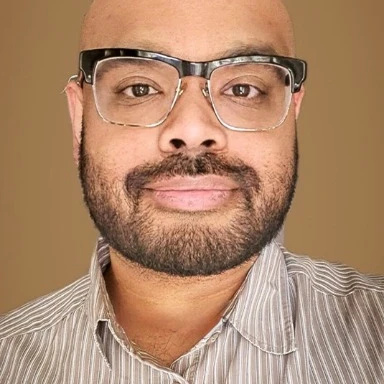
Student Therapist
Joshua Dhanaraj is a student therapist in Calgary, Alberta, offering CBT for anxiety and grief to teens, adults and seniors, in person or online.

Verified by Theralist
Verified and in good standing. Last verified Nov 7, 2026
Verification confirms registration only, not fit or quality of care.
How verification worksRSSW, Psychotherapist
Horace Spence is a therapist in Ontario and an RSSW and psychotherapist who works online with couples, families and BIPOC clients on addiction and trauma.

Verified by Theralist
Verified and in good standing. Last verified Nov 11, 2026
Verification confirms registration only, not fit or quality of care.
How verification worksRegistered Social Worker
Mahum Ahmed is a registered social worker and therapist in Milton, Ontario, offering CBT for anxiety, depression and trauma, online or in person.

Verified by Theralist
Verified and in good standing. Last verified Nov 11, 2026
Verification confirms registration only, not fit or quality of care.
How verification worksRegistered Psychotherapist
Allison Clayton is a registered psychotherapist and art therapist in Barrie and Collingwood, Ontario, working with teens and adults on anxiety and trauma.

Verified by Theralist
Verified and in good standing. Last verified Nov 11, 2026
Verification confirms registration only, not fit or quality of care.
How verification worksRegistered Psychotherapist (Qualifying)
Emily Griffin is a qualifying registered psychotherapist and online therapist in Ontario who helps teens and adults with anxiety and eating disorders.

Verified by Theralist
Verified and in good standing. Last verified Nov 11, 2026
Verification confirms registration only, not fit or quality of care.
How verification worksRegistered Psychotherapist (Qualifying), MACP, ADHD-SP, EMDR, HBSc (she, her)
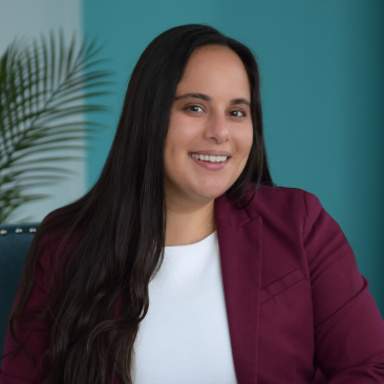
Maya Awad is a registered psychotherapist (qualifying) and therapist in Ontario who works online with teens, adults and couples on ADHD and anxiety.
Verified by Theralist
Verified and in good standing. Last verified Nov 12, 2026
Verification confirms registration only, not fit or quality of care.
How verification worksClinical and Health Psychologist
Jessica Campoli is a clinical and health psychologist and therapist in Ontario offering online CBT for adults with anxiety, depression and PTSD.

Verified by Theralist
Verified and in good standing. Last verified Nov 12, 2026
Verification confirms registration only, not fit or quality of care.
How verification worksCanadian Certified Counsellor (CCC), Registered Psychotherapist (Qualifying), Registered Counselling Therapist (Candidate)
Yaroslav Grechkin is a Canadian certified counsellor (CCC) and therapist in Ontario, seeing adults and teens online for trauma, PTSD and self-esteem.

Verified by Theralist
Verified and in good standing. Last verified Nov 11, 2026
Verification confirms registration only, not fit or quality of care.
How verification worksRegistered Psychotherapist
Yasmin Rombola-Bacchus is a registered psychotherapist and therapist in Toronto, Ontario, working with children, teens and adults on trauma and anxiety.

Verified by Theralist
Verified and in good standing. Last verified Nov 12, 2026
Verification confirms registration only, not fit or quality of care.
How verification worksRegistered Psychotherapist (Qualifying)
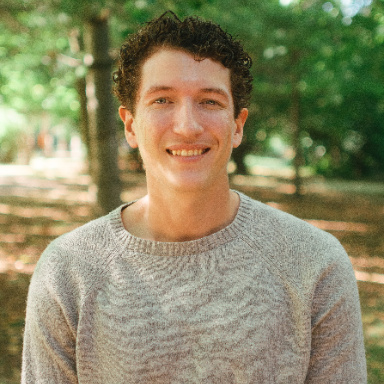
Love Veronneau is a registered psychotherapist (qualifying) and therapist in Alberta offering online ADHD and autism support for teens and adults.
Verified by Theralist
Verified and in good standing. Last verified Nov 8, 2026
Verification confirms registration only, not fit or quality of care.
How verification worksRegistered Psychotherapist (Qualifying)
Parker Willis is a registered psychotherapist (qualifying) and therapist in Brantford, Ontario, working on anxiety, addiction and trauma.

Verified by Theralist
Verified and in good standing. Last verified Nov 11, 2026
Verification confirms registration only, not fit or quality of care.
How verification worksRegistered Social Worker/ Psychotherapist
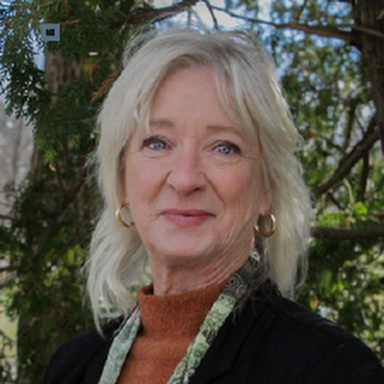
Donnica Campbell is a registered social worker and psychotherapist in Ontario who works online with trauma, PTSD and domestic abuse, using CBT and DBT.
Verified by Theralist
Verified and in good standing. Last verified Nov 12, 2026
Verification confirms registration only, not fit or quality of care.
How verification worksRegistered Psychotherapist (Qualifying), MACP, MScEd, R.N.MH.
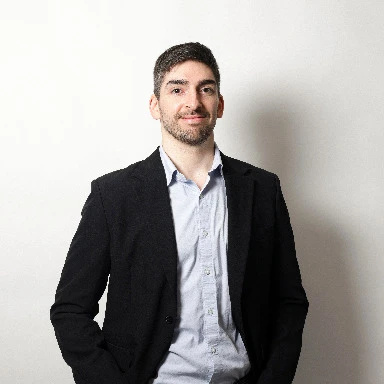
Christine McCarthy is a registered psychotherapist (qualifying) and therapist in Ontario who supports adults through major life transitions online.
Verified by Theralist
Verified and in good standing. Last verified Nov 11, 2026
Verification confirms registration only, not fit or quality of care.
How verification worksRegistered Psychotherapist (Qualifying)
Dylan Walker, a registered psychotherapist (qualifying) and therapist in Ontario, uses online CBT and ACT with adults dealing with anxiety.
Saugeen Shores Therapists at a Glance
Number of therapists listed
Average years in practice
Currently accepting new clients
Therapists in Saugeen Shores who prioritize treating:
How therapists see their clients
Top therapy approaches used in Saugeen Shores:
Frequently Asked Questions About Strength-Based
What is strength-based therapy?
Strength-based therapy is an orientation in therapy that deliberately focuses on the client's existing resources, strengths, values, capabilities, and resilience — rather than primarily on pathology, deficits, and problems. It is not denial of difficulties; it is a choice to place equal or greater weight on what is working, what the person has overcome, what they value, and what they are capable of. Strength-based approaches include Solution-Focused Brief Therapy (SFBT), Positive Psychology therapy, narrative approaches, and many humanistic frameworks.
How does strength-based therapy differ from traditional approaches?
Traditional approaches often focus heavily on problems, symptoms, deficits, and what is wrong. Strength-based therapy shifts the lens: rather than "what is your problem and what caused it," it asks "what do you want to be different, what resources do you have, and what has worked before?" This is not bypassing real difficulties — it is choosing to mobilize the person's existing capacity alongside addressing their challenges. The approach is often experienced as more validating and energizing than deficit-focused approaches.
What is Solution-Focused Brief Therapy (SFBT)?
Solution-Focused Brief Therapy (SFBT) is one of the most widely researched strength-based approaches. Developed by Steve de Shazer and Insoo Kim Berg, SFBT focuses on identifying and amplifying what the client does when the problem is less present (exceptions), describing in detail what their preferred future looks like (the miracle question), and building on their existing strengths and resources. SFBT has evidence for depression, anxiety, family therapy, school settings, and diverse populations. It is brief — often 3–8 sessions.
Is a strength-based approach appropriate for serious mental health concerns?
Yes — strength-based approaches are not limited to mild concerns or wellness coaching. Identifying and mobilizing resilience and existing resources is valuable alongside evidence-based treatment for depression, anxiety, trauma, and serious mental illness. A strength-based lens does not mean ignoring suffering — it means holding both the difficulty and the capability simultaneously. For very serious presentations, strength-based approaches are most effective as part of a comprehensive treatment plan rather than as the only approach.
Who benefits most from strength-based therapy?
Strength-based therapy tends to resonate particularly with people who feel pathologized or whose sense of self-efficacy has been eroded by chronic difficulties; with people who prefer a future-focused, action-oriented approach over extended exploration of the past; with children and adolescents for whom building on strengths is developmentally appropriate; and with people from cultural backgrounds where talking about problems or expressing distress is less natural than focusing on action and solutions. The approach can be deeply empowering when done well.