Culturally Sensitive Therapists in Charlottetown, PE
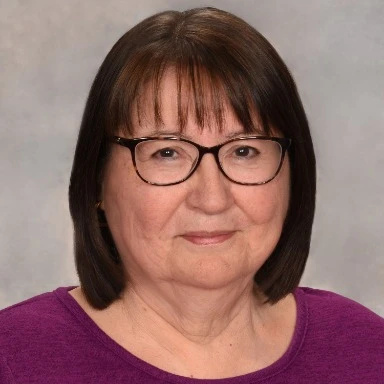
Edna Mitander
Registered Therapeutic Counsellor RTC
What is your understanding of joy and happiness? I'd like to hear your definition. Do you find it difficult to understand the suffering and challenges you face in your life? Do you still experience past trauma and feel like you're going through life on autopilot? Do you question your faith and finding yourself scrolling the internet to find answers?
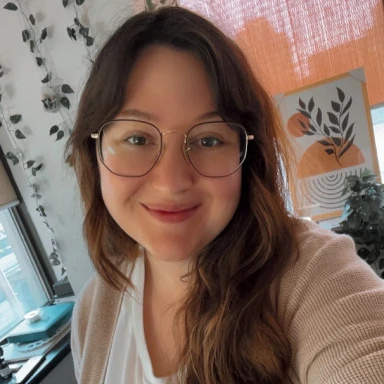
Colombe Mazerolle
Licensed Counselling Therapist - C
Are you struggling with intense emotions that feel overwhelming, ongoing conflict or disconnection in relationships or feeling stuck in survival mode or repeating self-sabotaging patterns? I'm Colombe, therapist at Ember Counselling Therapy, and I help individuals and couples build emotional balance, heal from past pain, and create healthier relationships.

Yuka Oshimi
MC, RCC, ADHD-CCSP, DCP(c)
AuDHD Registered Clinical Counsellor and doctoral candidate offering neurodivergent-affirming, culturally sensitive, trauma-informed counselling for adults across BC and Canada. POC-founded practice with lived Third Culture Kid experience. Areas include but are not limited to ADHD, autism, AuDHD, anxiety, depression, and workplace and school challenges.
How do therapists in Charlottetown, PE compare?
Number of therapists listed
Average years in practice
Currently accepting new clients
Therapists in Charlottetown, PE who prioritize treating:
How therapists see their clients
Top therapy approaches used in Charlottetown, PE:
Frequently Asked Questions About Culturally Sensitive
What is culturally sensitive therapy?
Culturally sensitive (or culturally competent) therapy is practice that recognizes and respects the ways in which a client's cultural background, identity, and community context shape their experience of distress, their understanding of mental health, their help-seeking behaviour, and their healing. A culturally sensitive therapist does not treat culture as incidental but as central — understanding that concepts like family obligation, spirituality, collectivism vs. individualism, experiences of racism or discrimination, and cultural expressions of distress must all inform the therapeutic approach.
Why does culture matter in therapy?
Mainstream psychological frameworks were largely developed in Western, White, educated, industrialized contexts — which means they do not always apply accurately or helpfully across all cultural groups. The meaning of symptoms, the role of family in decision-making, the acceptability of discussing certain topics, the stigma of mental health in different communities, and the impact of historical trauma (such as residential schools for Indigenous Canadians) all vary significantly by cultural context. Ignoring these factors leads to misdiagnosis, poor therapeutic alliance, and premature dropout from treatment.
Who benefits most from seeking a culturally sensitive therapist?
Culturally sensitive therapy is valuable for everyone, but is particularly important for people from racialized communities, immigrants and newcomers, Indigenous peoples, people navigating bicultural identities, religious and ethnic minorities, LGBTQ2S+ people of colour, and anyone whose cultural identity has been a source of discrimination, shame, or misunderstanding in healthcare settings. If you have previously felt unseen, misunderstood, or pathologized in therapy, a culturally sensitive therapist may make a meaningful difference.
Does my therapist need to share my cultural background?
Not necessarily, though shared background can offer valuable understanding. What matters more than matching identity is cultural humility — a therapist's genuine curiosity about your experience, willingness to learn about your background without making assumptions, and awareness of their own cultural biases. A skilled therapist from a different background who approaches your culture with curiosity and respect may serve you better than one from a shared background who has not examined their own cultural biases or done the training in multicultural practice.
How do I find a culturally sensitive therapist in Canada?
When searching for a therapist, look for those who list culturally sensitive, multicultural, or anti-oppressive practice in their specialities. You can ask directly in a consultation: "How do you approach cultural differences in therapy?" and "Have you worked with clients from my background?" Trust your initial sense of whether a therapist seems genuinely curious about your experience. Theralist allows you to filter by speciality including culturally sensitive practice, and many therapist profiles describe their approach and the communities they serve.