Dialectical Behaviour (DBT) Therapists in Charlottetown, PE

Colombe Mazerolle
Licensed Counselling Therapist - C
Are you struggling with intense emotions that feel overwhelming, ongoing conflict or disconnection in relationships or feeling stuck in survival mode or repeating self-sabotaging patterns? I'm Colombe, therapist at Ember Counselling Therapy, and I help individuals and couples build emotional balance, heal from past pain, and create healthier relationships.
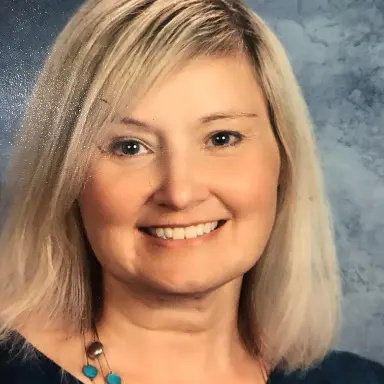
Carolyn Black
Counselling Therapist
Have you ever sat down with an old friend, teacher or a favorite aunt/uncle and the conversation flows with ease? Somehow, these people just know what to say to put you are ease. Seeing a Carolyn Black can give you a similar experience. However, Carolyn also maintains confidentiality, is a skilled listener who validates your feelings and knows how to help you move forward.

Dan Diggins
RCT, CCC
I work with individuals of all ages who are dealing with uncomfortable thoughts and emotions or personal conflict and are ready to feel better and live a more meaningful life. Seeking out the right counsellor is an important step, requiring courage and trust. I honour your willingness to embrace vulnerability and honesty and I will ensure that you find the support and solutions you are seeking.
How do therapists in Charlottetown, PE compare?
Number of therapists listed
Average years in practice
Currently accepting new clients
Therapists in Charlottetown, PE who prioritize treating:
How therapists see their clients
Top therapy approaches used in Charlottetown, PE:
Frequently Asked Questions About Dialectical Behaviour (DBT)
What is Dialectical Behaviour Therapy (DBT)?
DBT is a structured, evidence-based therapy originally developed by Dr. Marsha Linehan to treat borderline personality disorder (BPD), particularly for individuals experiencing intense emotional pain and self-harm or suicidal behaviour. DBT is built around four core skill sets: mindfulness, distress tolerance, emotional regulation, and interpersonal effectiveness. Its name reflects the core dialectic at its heart — balancing acceptance of yourself as you are with commitment to change.
Who can benefit from DBT?
While DBT was initially developed for BPD, it is now used effectively for a wide range of conditions involving emotional dysregulation, including depression, anxiety, eating disorders, PTSD, bipolar disorder, ADHD, substance use disorders, and self-harm. DBT is appropriate for both adolescents and adults. DBT skills are also valuable for people who do not have a diagnosed condition but struggle with managing intense emotions or interpersonal conflict.
What does full DBT treatment involve?
Comprehensive DBT typically involves weekly individual therapy sessions, a weekly DBT skills training group (similar to a class where skills are taught and practised), between-session phone coaching for crisis support, and a therapist consultation team. However, many therapists offer "DBT-informed" or adapted DBT that incorporates the skills framework within individual therapy, without the full group component — particularly when comprehensive DBT programs are not available in your area.
What are the four core DBT skill modules?
The four DBT skill areas are: Mindfulness (observing the present moment without judgment, the foundation of all other skills); Distress Tolerance (surviving crises without making things worse); Emotional Regulation (understanding and managing intense emotions); and Interpersonal Effectiveness (navigating relationships, setting limits, and maintaining self-respect). These skills are taught systematically and practised both in sessions and in daily life.
How long does DBT treatment take?
Standard comprehensive DBT runs for approximately one year, covering the full skills curriculum over multiple cycles. DBT-informed individual therapy may be shorter — typically 6 months to a year — depending on the presenting concerns and goals. Progress in DBT is strongly associated with actively practising skills outside of sessions, not just learning them in session. Your therapist will help you apply skills to real situations in your daily life.