Internal Family Systems (IFS) Therapists in Laval, QC

Verified by Theralist
Verified and in good standing. Last verified Nov 12, 2026
Verification confirms registration only, not fit or quality of care.
How verification worksMPCC-P, RTC-C
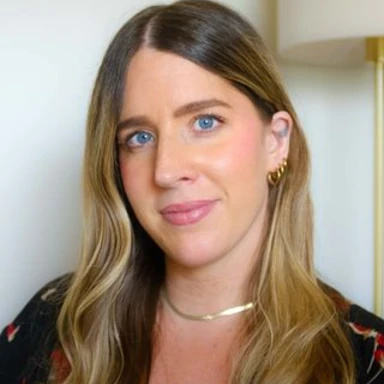
Zarifa Andani is an MPCC-P, RTC-C therapist in British Columbia who works online with teens, adults and couples on grief, trauma and PTSD.
Verified by Theralist
Verified and in good standing. Last verified Nov 11, 2026
Verification confirms registration only, not fit or quality of care.
How verification worksRegistered Psychotherapist (Qualifying), MA, BA
Hope Raine is a registered psychotherapist (qualifying) and therapist in Ontario, seeing adults online for anxiety, ADHD and postpartum concerns.

Verified by Theralist
Verified and in good standing. Last verified Nov 17, 2026
Verification confirms registration only, not fit or quality of care.
How verification worksRegistered Psychotherapist (Qualifying)
Sarah Perone is a registered psychotherapist (qualifying) and therapist in Ontario who works online with couples on infidelity and codependency.

Verified by Theralist
Verified and in good standing. Last verified Nov 11, 2026
Verification confirms registration only, not fit or quality of care.
How verification worksRegistered Psychotherapist (Qualifying)
Emily Griffin is a qualifying registered psychotherapist and online therapist in Ontario who helps teens and adults with anxiety and eating disorders.

Verified by Theralist
Verified and in good standing. Last verified Nov 17, 2026
Verification confirms registration only, not fit or quality of care.
How verification worksRegistered Psychotherapist (Qualifying)
Mara Behan is an online therapist in Ontario and registered psychotherapist (qualifying) focused on infidelity, divorce and infertility.

Verified by Theralist
Verified and in good standing. Last verified Nov 8, 2026
Verification confirms registration only, not fit or quality of care.
How verification worksRegistered Psychotherapist (Qualifying)
Tina Pirvali is a registered psychotherapist (qualifying) in Ontario offering online couples therapy and therapy for infidelity in English and Farsi.

Verified by Theralist
Verified and in good standing. Last verified Nov 11, 2026
Verification confirms registration only, not fit or quality of care.
How verification worksRegistered Psychotherapist (Qualifying), MACP, ADHD-SP, EMDR, HBSc (she, her)
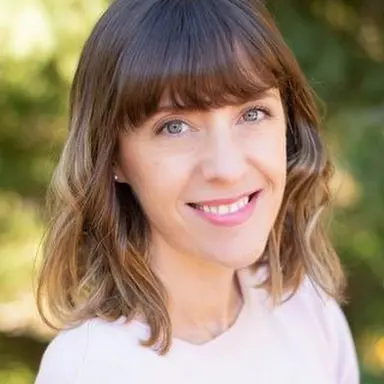
Maya Awad is a registered psychotherapist (qualifying) and therapist in Ontario who works online with teens, adults and couples on ADHD and anxiety.
Verified by Theralist
Verified and in good standing. Last verified Nov 12, 2026
Verification confirms registration only, not fit or quality of care.
How verification worksRegistered Psychotherapist (Qualifying), MACP, BA (she, her)
Emma Hartley is a registered psychotherapist (qualifying) and therapist in Ontario, seeing adults and teens online for anxiety, ADHD and stress.
Laval Therapists at a Glance
Number of therapists listed
Average years in practice
Currently accepting new clients
Therapists in Laval who prioritize treating:
How therapists see their clients
Top therapy approaches used in Laval:
Frequently Asked Questions About Internal Family Systems (IFS)
What is Internal Family Systems (IFS) therapy?
Internal Family Systems (IFS) is a model of psychotherapy developed by Dr. Richard Schwartz that views the mind as made up of multiple "parts" — sub-personalities or inner voices that each carry their own feelings, beliefs, and motivations. IFS also posits the existence of a core "Self" — a calm, compassionate, and curious centre that can lead the inner system toward healing. Therapy involves building a relationship between the Self and various parts, including protective parts and wounded "exile" parts, to create greater inner harmony.
What conditions does IFS therapy help with?
IFS is used for trauma, PTSD, anxiety, depression, eating disorders, addiction, relationship difficulties, chronic pain, and general personal growth. It is particularly valued for complex or developmental trauma, where multiple protective patterns and deeply buried wounds need to be addressed with care. IFS has a growing evidence base and is recognized as an empirically supported treatment for PTSD.
What does an IFS therapy session look like?
IFS sessions typically involve the therapist guiding you into a focused inner state where you can turn attention inward and notice different parts — often felt as emotions, thoughts, physical sensations, or inner voices. You might be invited to "get curious" about a part, ask it questions, and understand its role and fears. The tone is gentle and exploratory rather than confrontational. Many people find IFS deeply validating because it treats all parts of the self as having good intentions, even when their behaviour is problematic.
Is IFS therapy evidence-based?
IFS has a growing body of research and has been recognized as an evidence-based practice by the Substance Abuse and Mental Health Services Administration (SAMHSA) in the United States. Studies show effectiveness for PTSD, depression, rheumatoid arthritis symptom management, and personal resilience. IFS is widely practised and taught across Canada, and many therapists incorporate it alongside other evidence-based approaches.
How long does IFS therapy typically take?
IFS therapy is often a longer-term process, particularly when addressing complex trauma or deeply entrenched protective patterns. Many people work with an IFS therapist for six months to several years, though some use IFS-informed approaches as part of shorter-term therapy for specific concerns. The depth of the work tends to make IFS particularly meaningful for people who want not just symptom relief but genuine inner transformation.
