Trauma Focused Therapists in Saint-Jérôme, QC

Zarifa Andani
MPCC-P, RTC-C
This work isn’t about fixing your parts—it’s about helping you feel more like your whole self again. We can work together to slow down, get curious, and listen deeply. Our internal body wisdom is an integral source of information that speaks more significantly than words. Real change is possible when ALL of you feels safe enough to be seen and supported, just as you are.

Shadan Mosavat
Clinical Counsellor, M.A, CCC.
With over 9 years of clinical experience, I support adults navigating Adult ADHD, Borderline Personality Disorder (BPD), emotional dysregulation, anxiety, and relationship challenges in Vancouver & BC. As a Registered Clinical Counsellor (CCC), I provide a warm, neurodivergent-affirming space to move past chronic shame and build lasting emotional safety.
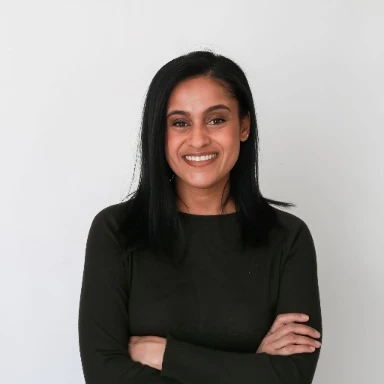
Mandeep Lalli
Registered Psychotherapist (Qualifying)
Are you feeling anxious, overwhelmed or stuck? Maybe something feels wrong? I help people navigate anxiety, depression, ADHD, trauma, and relationship struggles, with culturally sensitive care that honours your full background, including pressures others may miss. As a South Asian therapist who spent 15 years in the corporate world, I bring lived experience and real-world context to therapy.

Sarah Perone
Registered Psychotherapist (Qualifying)
I help individuals and couples break painful relationship cycles so they can feel more connected, secure, and confident. I support concerns like recurrent conflict, relationship anxiety (and ROCD), limerence, and resentment. Using an attachment- and evidence-based approach, I offer warm, non-judgmental virtual therapy across Ontario. Book a free 15-minute consultation to get started.

Emma Hartley
Registered Psychotherapist (Qualifying), MACP, BA (she, her)
Are you looking for a therapist that knows what it's like to feel lost or overwhelmed and how to find your footing again? Noticing yourself feeling more anxious, "just tired", and craving a space to slow down and reconnect with a sense of meaning or purpose? Trying to make sense of shifts in mood, questioning careers, exploring relationships, parenting and identity, or a major life transition?

Mara Behan
Registered Psychotherapist (Qualifying)
I help couples and individuals find growth, healing, and stronger connections. Using evidence-based and individualized approaches, I support those struggling with women's health concerns (e.g., pregnancy, postpartum, perimenopause, menopause), relationship concerns (e.g., resentment, infidelity), and life transitions (e.g., separation/divorce, parenting). I offer a free 15-minute consultation!

Tina Pirvali
Registered Psychotherapist (Qualifying)
Accepting new clients. I provide virtual therapy across Canada for adults and couples navigating trauma, relationship challenges, communication difficulties, infidelity, codependency, attachment patterns, and life transitions. Using a warm, trauma-informed approach, I help clients strengthen their relationships, reconnect with themselves, and create lasting, meaningful change.

Maya Awad
Registered Psychotherapist (Qualifying), MACP, ADHD-SP, HBSc (she, her)
Accepting NEW clients - Are you feeling overwhelmed or like you’re carrying a lot on your own? Feel like you're doing everything you’re “supposed to do,” but something still doesn’t feel right? Have a desire to better understand your thoughts, emotions, or patterns, work on building confidence or self-esteem, or find support for your relationship?

Mackenzie Fournier
Registered Psychotherapist
Hi, I’m Mackenzie! I’m a Psychotherapist who loves keeping therapy real, down-to-earth, and practical. I help people untangle patterns around anxiety, food, and self-trust using tools grounded in science. In sessions, I bring my authentic self—you can expect a mix of support, guidance, and maybe a little humour when it feels right—so we can tackle challenges together without the extra pressure.

Paris Moaf
Registered Psychotherapist, M Psy, MSc, RP
As the founder and clinical director of Paris Mind Clinic, Paris Parastoo Moaf specializes in helping clients manage and overcome depression, anxiety, PTSD, emotional disorders, grief, and relationship issues. Using CBT, DBT, MBCT, ACT, EFT, and Adlerian Therapy, Paris Parastoo Moaf tailors sessions to your unique needs.

Chris Graham
Professional Counsellor, MPCC-Provisional designation with the Canadian Professional Counsellors Association (CPCA).
I work with pilots and men in high-pressure careers who are navigating anxiety, burnout, identity challenges, or major life transitions. Many of the people I support are looking for counselling that is practical, confidential, and respectful of their professional context. For pilots concerns about career impact, medical implications often create hesitation around seeking support.

Therapy Collective
Registered Psychologist/Counselling Therapist/Certified Counsellor
We are a group practice with psychologists, CCC's, CT's, and a therapy dog who offer counselling and formal psycho-educational assessments. We cover a broad range of presenting concerns for children, youth, families, couples, and individuals. We offer a variety of approaches as well: EMDR, Cognitive-Hypnotherapy, Art Therapy, Play-Based Therapy, Internal Family Systems, Attachment-Based, Somatic.
How do therapists in Saint-Jérôme, QC compare?
Number of therapists listed
Average years in practice
Currently accepting new clients
Therapists in Saint-Jérôme, QC who prioritize treating:
How therapists see their clients
Top therapy approaches used in Saint-Jérôme, QC:
Frequently Asked Questions About Trauma Focused
What is trauma-focused therapy?
Trauma-focused therapy refers to a family of therapeutic approaches specifically designed to address the psychological impact of traumatic experiences. Rather than only managing symptoms, these approaches help clients directly process traumatic memories, reduce their emotional intensity, and integrate them into a broader understanding of their lives. Trauma-focused therapy is indicated for PTSD, complex trauma, childhood abuse, sexual violence, accidents, grief, and many other trauma-related presentations.
How is trauma-focused therapy different from general therapy?
General therapy often addresses current functioning, coping, and emotions without directly engaging with traumatic memories. Trauma-focused therapy explicitly targets the memories, beliefs, and physiological responses connected to past trauma. It typically follows a phased approach: establishing safety and stabilization, processing traumatic material, and then integration and reconnection with life. This structure is important because jumping to trauma processing before a client has sufficient stability can be destabilizing rather than helpful.
What trauma-focused approaches are most evidence-based?
EMDR (Eye Movement Desensitization and Reprocessing), Cognitive Processing Therapy (CPT), and Prolonged Exposure (PE) therapy have the strongest research evidence for PTSD. Trauma-Focused CBT (TF-CBT) is the leading approach for children and adolescents. Somatic therapies such as Somatic Experiencing and Sensorimotor Psychotherapy, and phase-based models like EMDR-based FLASH and IFS, are also widely used for complex and developmental trauma where standard single-modality approaches may be insufficient.
How do I know if I need trauma-focused therapy rather than general therapy?
Signs that trauma-focused therapy may be particularly beneficial include: intrusive memories or flashbacks, nightmares, emotional numbness or avoidance of trauma-related reminders, hypervigilance, difficulty trusting others, significant shame, or the sense that you have tried general therapy without full resolution of symptoms. An assessment with a trauma-trained therapist can determine whether and what kind of trauma-focused work is appropriate for your presentation.
Is trauma-focused therapy safe?
When conducted by a trained therapist using an established protocol, trauma-focused therapy is safe and effective. Reputable approaches are designed to keep arousal within a manageable "window of tolerance" — avoiding both re-traumatization and emotional shutdown. Stabilization work done before processing ensures that clients have sufficient coping resources. If you feel unsafe at any point in trauma therapy, you can and should communicate this to your therapist, who will adjust the pace and approach.