Caregiver Issues Therapists in Okotoks, AB

Verified by Theralist
Verified and in good standing. Last verified Nov 11, 2026
Verification confirms registration only, not fit or quality of care.
How verification worksCanadian Certified Counsellor
Charmaine MacCuspic is a Canadian certified counsellor and therapist in Calgary who works with adults and families on anxiety, depression and stress.

Verified by Theralist
Verified and in good standing. Last verified Nov 12, 2026
Verification confirms registration only, not fit or quality of care.
How verification worksRegistered Social Worker, Mental Health Therapist, Clinical Educator
Teak Daniel is a registered social worker and therapist in British Columbia, specializing in bipolar disorder, depression and anxiety.

Verified by Theralist
Verified and in good standing. Last verified Nov 7, 2026
Verification confirms registration only, not fit or quality of care.
How verification worksRegistered Nurse and Certified Nurse Psychotherapist (Qualifying)
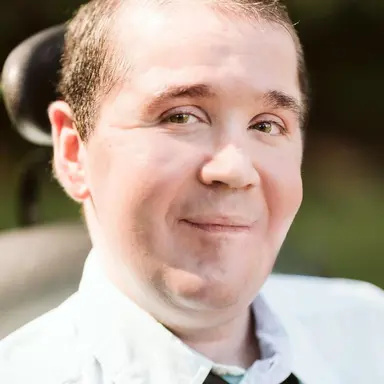
Kathryn Kazoleas, a registered nurse and online therapist in Alberta, helps adults and elders with grief, anxiety and caregiver issues using CBT.
Verified by Theralist
Verified and in good standing. Last verified Nov 5, 2026
Verification confirms registration only, not fit or quality of care.
How verification worksRegistered Clinical Counsellor, MC, RCC
Ryan Yellowlees is a registered clinical counsellor and therapist in BC. Supports adults with chronic illness, chronic pain or trauma, using EMDR online.

Verified by Theralist
Verified and in good standing. Last verified Nov 11, 2026
Verification confirms registration only, not fit or quality of care.
How verification worksRegistered Psychotherapist (Qualifying), MA, BA
Hope Raine is a registered psychotherapist (qualifying) and therapist in Ontario, seeing adults online for anxiety, ADHD and postpartum concerns.

Verified by Theralist
Verified and in good standing. Last verified Nov 7, 2026
Verification confirms registration only, not fit or quality of care.
How verification worksMPCC-Provisional
Ashley Johnson is a provisional MPCC and therapist in Calgary, Alberta who supports caregivers and first responders with trauma, grief and codependency.

Verified by Theralist
Verified and in good standing. Last verified Nov 6, 2026
Verification confirms registration only, not fit or quality of care.
How verification worksRegistered Psychotherapist (Qualifying), ADHD-CCSP, MS, HBA, BA
Eleni Anagnosti, a registered psychotherapist (qualifying) and therapist in Ontario, works online with adults on ADHD, anxiety and trauma.

Verified by Theralist
Verified and in good standing. Last verified Nov 16, 2026
Verification confirms registration only, not fit or quality of care.
How verification worksRegistered Social Worker
Mackenzie Broomfield is a registered social worker and therapist in Calgary, Alberta, with grief counselling and relationship therapy for adults and elders.
Okotoks Therapists at a Glance
Number of therapists listed
Average years in practice
Currently accepting new clients
Therapists in Okotoks who prioritize treating:
How therapists see their clients
Top therapy approaches used in Okotoks:
Frequently Asked Questions About Caregiver Issues
What is caregiver burnout?
Caregiver burnout is a state of physical, emotional, and mental exhaustion that results from the prolonged stress of caring for someone with serious illness, disability, mental health challenges, or cognitive decline. It is characterized by fatigue, emotional depletion, reduced sense of personal accomplishment, increasing detachment from the person being cared for, and often a deep ambivalence — caring intensely about the person while feeling overwhelmed by the role. Burnout is not a personal failure; it is the predictable result of sustained high demands without adequate support.
Is it selfish to seek therapy as a caregiver?
No — seeking support as a caregiver is the opposite of selfish. Caregivers who maintain their own emotional health provide better care and are less likely to experience burnout, resentment, or health crises that disrupt care. The "put on your own oxygen mask" principle applies: you cannot give from empty. Therapy also provides a space where the full complexity of caregiving — including anger, grief, and love — can be expressed without the person you care for being hurt by it.
What does therapy for caregivers involve?
Therapy for caregivers addresses the emotional weight of the role — grief for who the care recipient once was, anger and resentment about the impact on the caregiver's own life, guilt, and profound fatigue. It also provides practical support for decision-making, navigating family dynamics, communicating needs, and accessing resources. Grief-informed, psychodynamic, CBT, and mindfulness-based approaches are all used depending on what the caregiver most needs.
What types of caregivers benefit from therapy?
Any caregiver can benefit — including parents of children with disabilities or mental health challenges, spouses caring for someone with chronic illness or dementia, adult children supporting aging parents, and informal caregivers supporting friends or community members. Caregiver stress is particularly significant when care is intensive, external support is limited, the relationship with the care recipient is complicated by past conflict, or the trajectory is long and the outcome uncertain.
How do I know if caregiver stress has reached the point where therapy is warranted?
Signs that caregiver stress warrants professional support include persistent sleep disruption, difficulty feeling positive emotions, increasing use of substances to cope, worsening physical health, social withdrawal, loss of sense of self outside the caregiving role, and feeling that you cannot continue but see no way out. If several of these are present, therapy is not just warranted but important. Most caregivers seek support far later than would have been beneficial.