Interpersonal Therapists in Okotoks, AB

Holistic Psychotherapist, Hypnotherapist & Transformational Coach
I help sensitive, introspective adults who feel anxious, overwhelmed, or stuck in old patterns return to a deeper sense of calm, clarity, and self-trust. I blend psychotherapy, hypnotherapy, mindfulness, and subconscious healing to meet what lives beneath the surface, not just the symptoms. Healing, I believe, is a return to yourself, not a reinvention.

Verified by Theralist
Verified and in good standing. Last verified Nov 12, 2026
Verification confirms registration only, not fit or quality of care.
How verification worksRegistered Social Worker, Mental Health Therapist, Clinical Educator
Registered Social Worker specializing in counselling for bipolar disorder, psychosis, depression and anxiety. I have 20 years of experience in mental health, specifically working for Provincial Health Authorities in Canada and for NHS in the UK, including 16+ years specializing in bipolar disorder and psychosis. Virtual counselling for adults, youth and families across BC, Alberta and Ontario.

Verified by Theralist
Verified and in good standing. Last verified Nov 17, 2026
Verification confirms registration only, not fit or quality of care.
How verification worksRegistered Psychotherapist (Qualifying)
I help couples and individuals find growth, healing, and stronger connections. Using evidence-based and individualized approaches, I support those struggling with women's health concerns (e.g., pregnancy, postpartum, perimenopause, menopause), relationship concerns (e.g., resentment, infidelity), and life transitions (e.g., separation/divorce, parenting). I offer a free 15-minute consultation!

Verified by Theralist
Verified and in good standing. Last verified Nov 16, 2026
Verification confirms registration only, not fit or quality of care.
How verification worksCounselling Therapist, RTC • OCD & Anxiety
OCD can make life feel smaller—therapy should help you reclaim it. I use CBT and Exposure and Response Prevention (ERP) to help young adults and adults change patterns that keep them stuck. I also support anxiety, depression, ADHD, career transitions, and performance concerns through warm, focused, evidence-based therapy built for real-life change.

Verified by Theralist
Verified and in good standing. Last verified Nov 7, 2026
Verification confirms registration only, not fit or quality of care.
How verification worksRegistered Provisional Psychology & Canadian Certified Counsellor
You may feel overwhelmed, disconnected, or stuck—within yourself or in your relationships. Ongoing conflict, family stress, or carrying emotional burdens alone can feel exhausting. You’re seeking relief, clarity, and balance, whether through stronger communication, deeper connection, or a better understanding of yourself and your patterns during life or relationship transitions.

Verified by Theralist
Verified and in good standing. Last verified Nov 12, 2026
Verification confirms registration only, not fit or quality of care.
How verification worksRegistered Clinical Counsellor, Registered Social Worker, Psychotherapist, MACP, RSW, RCC, CCC
Feeling stuck, numb or overwhelmed by the world right now? Are you facing issues like anxiety, depression, and relationship problems? I offer professional, in-person Clinical Counselling, Grief Therapy & Registered Social Work services. Contact me to arrange a brief, complimentary consultation. If you are ready to get started, I have both in-person and remote session openings available.

Verified by Theralist
Verified and in good standing. Last verified Nov 5, 2026
Verification confirms registration only, not fit or quality of care.
How verification worksRegistered Psychologist
Hi there! My name is Paige, and I am so glad you're here. In therapy, I aim to create a safe space for my clients to explore their emotions, thoughts and memories while fostering a sense of empowerment and control over their healing process. I practice from several different evidence based approaches to therapy including Acceptance and Commitment Therapy (ACT), Cognitive Behavioral Therapy (CBT...

Verified by Theralist
Verified and in good standing. Last verified Nov 11, 2026
Verification confirms registration only, not fit or quality of care.
How verification worksRegistered Psychotherapist (Qualifying)
I work with teens, students, and adults navigating anxiety, perfectionism, stress, motherhood, body image, and eating disorders. My approach is compassionate, direct, and focused on real change—not just talking in circles. Using CBT and solution-focused therapy, I help clients understand what’s keeping them stuck, develop practical tools, and create meaningful change in their everyday lives.

Verified by Theralist
Verified and in good standing. Last verified Nov 11, 2026
Verification confirms registration only, not fit or quality of care.
How verification worksRegistered Psychotherapist (Qualifying)
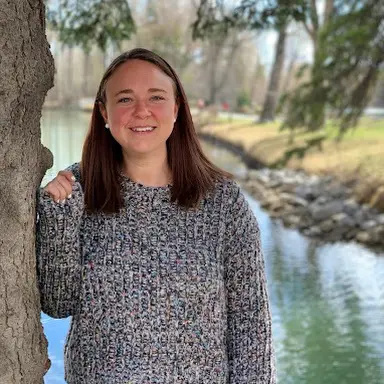
Are you feeling anxious, overwhelmed or stuck? Maybe something feels wrong? I help people navigate anxiety, depression, ADHD, trauma, and relationship struggles, with culturally sensitive care that honours your full background, including pressures others may miss. As a South Asian therapist who spent 15 years in the corporate world, I bring lived experience and real-world context to therapy.
Verified by Theralist
Verified and in good standing. Last verified Nov 16, 2026
Verification confirms registration only, not fit or quality of care.
How verification worksRegistered Psychologist
Hello, I’m Tiffany Warren, a Registered Psychologist in Calgary, Alberta, and the founder/director of Calgary Mental Health and Wellness Centre. With 15+ years of experience, I support children, teens, and adults through life’s challenges. As a relationship-based therapist, I believe in the power of the therapist-client connection, fostering empathy, compassion, and unconditional positive regard.
Okotoks Therapists at a Glance
Number of therapists listed
Average years in practice
Currently accepting new clients
Therapists in Okotoks who prioritize treating:
How therapists see their clients
Top therapy approaches used in Okotoks:
Frequently Asked Questions About Interpersonal
What is Interpersonal Therapy (IPT)?
Interpersonal Therapy (IPT) is a structured, time-limited psychotherapy developed by Gerald Klerman and Myrna Weissman in the 1970s, originally for depression. It is based on the observation that psychological symptoms occur in an interpersonal context — and that improving the quality of a person's relationships and social functioning produces improvement in symptoms. IPT focuses on four specific interpersonal problem areas: grief and loss, role transitions (life changes), role disputes (conflicts in key relationships), and interpersonal deficits (social isolation or difficulty forming relationships).
What conditions does IPT treat?
IPT has strong evidence for major depression (comparable to CBT and antidepressants), postpartum depression, bipolar disorder (as maintenance therapy), bulimia nervosa, and social anxiety. It has been adapted for adolescents (IPT-A), the elderly, people with HIV/AIDS, and diverse cultural populations. IPT is recommended as a first-line treatment for depression by major clinical guidelines including those of the American Psychological Association and National Institute for Health and Care Excellence (NICE).
What does IPT involve?
Standard IPT is delivered over 12–16 sessions in three phases. The initial phase (sessions 1–3) involves assessment, psychoeducation about depression, completing an "interpersonal inventory" (mapping key relationships), and identifying the primary focus area. The middle phase works on the identified interpersonal problem area using specific strategies — communication analysis, role-playing, exploring options, and improving social support. The termination phase consolidates gains and prepares for managing future difficulties.
How is IPT different from other depression treatments?
CBT focuses on the relationship between thoughts, feelings, and behaviour. Psychodynamic therapy explores unconscious patterns and past relationships. IPT has a narrower, specific focus on current interpersonal functioning and its connection to mood. IPT does not explore early childhood experiences in depth or seek to change cognitive patterns — its focus is on improving current relationships and functioning in real-world social contexts. This makes it particularly practical and accessible for people who want concrete help with their current relationship situation.
Who is IPT best suited for?
IPT is particularly well-suited for people whose depression or other symptoms are clearly linked to a specific interpersonal event or challenge — a bereavement, a major role transition (new parent, retirement, job loss), a significant conflict in a key relationship, or social isolation. It is a good fit for people who prefer a practical, focused approach and are comfortable talking about their relationships directly. It may be less suited to people with complex trauma histories, personality difficulties, or those who want open-ended exploration of their inner life.