Gestalt Therapists in Okotoks, AB

Verified by Theralist
Verified and in good standing. Last verified Nov 7, 2026
Verification confirms registration only, not fit or quality of care.
How verification worksCanadian Certified Counsellor
Verified by Theralist
Verified and in good standing. Last verified Nov 16, 2026
Verification confirms registration only, not fit or quality of care.
How verification worksRegistered Therapeutic Counsellor (RTC)
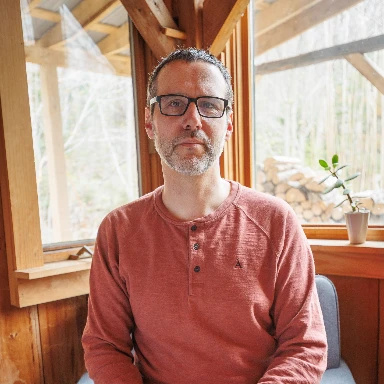
I support overthinkers, perfectionists, and people-pleasers navigating anxiety, self-criticism, and relationship patterns shaped by painful experiences. I welcome those seeking a male therapist they can truly trust. Together, we use mindfulness, parts work, and body awareness to make room for a kinder relationship with yourself and more ease with others.

Verified by Theralist
Verified and in good standing. Last verified Nov 11, 2026
Verification confirms registration only, not fit or quality of care.
How verification worksPsychotherapist
I am a Vancouver based Psychotherapist in a diverse and inclusive Private Practice offering both in person and virtual sessions. I have over 22 years of extensive clinical experience working with individuals, couples, families and groups. I work with all ages on any issues that are getting in the way of the client experiencing life to its fullest in the very personal way they want to live.

Verified by Theralist
Verified and in good standing. Last verified Nov 11, 2026
Verification confirms registration only, not fit or quality of care.
How verification worksRegistered Psychotherapist (Qualifying)
I work with teens, students, and adults navigating anxiety, perfectionism, stress, motherhood, body image, and eating disorders. My approach is compassionate, direct, and focused on real change—not just talking in circles. Using CBT and solution-focused therapy, I help clients understand what’s keeping them stuck, develop practical tools, and create meaningful change in their everyday lives.

Verified by Theralist
Verified and in good standing. Last verified Nov 12, 2026
Verification confirms registration only, not fit or quality of care.
How verification worksRegistered Clinical Counsellor (RCC), Psy.D, MACP, RTC
Doctor of Psychology (Psy.D) Master of Arts Counselling Psychology (MACP) Registered Clinical Counsellor Registered Therapeutic Counsellor Counselling Therapist Offering individual and couples therapy, clinical counselling assessment, Insomnia treatment, Menopause support, ADHD and Autism Counselling, and more. For a full listing of services please visit WWW.COUNTRYCOUNSELLING.COM

Verified by Theralist
Verified and in good standing. Last verified Nov 11, 2026
Verification confirms registration only, not fit or quality of care.
How verification worksRegistered Psychotherapist
I work with individuals and couples, focusing on areas like anxiety, relationship conflict, career stress, and recurring interpersonal patterns. My approach is collaborative, reflective, compassionate, and direct when helpful. Drawing from experience in family law, finance, marriage, and parenthood, I help clients navigate conflict, stress, and personal growth.

Verified by Theralist
Verified and in good standing. Last verified Nov 7, 2026
Verification confirms registration only, not fit or quality of care.
How verification worksRegistered Provisional Psychology & Canadian Certified Counsellor
You may feel overwhelmed, disconnected, or stuck—within yourself or in your relationships. Ongoing conflict, family stress, or carrying emotional burdens alone can feel exhausting. You’re seeking relief, clarity, and balance, whether through stronger communication, deeper connection, or a better understanding of yourself and your patterns during life or relationship transitions.

Verified by Theralist
Verified and in good standing. Last verified Nov 5, 2026
Verification confirms registration only, not fit or quality of care.
How verification worksCounselling Therapist, CT, MTC, RCS
Feeling stuck, anxious, or disconnected? I’m a trauma-informed therapist specializing in somatic therapy, CBT, and ART to help you heal, build resilience, and reconnect with yourself. Whether you’re facing anxiety, trauma, or relationship struggles, I provide a safe, supportive space for growth. Online sessions make getting started easy—click to learn more and book a free consultation!
Okotoks Therapists at a Glance
Number of therapists listed
Average years in practice
Currently accepting new clients
Therapists in Okotoks who prioritize treating:
How therapists see their clients
Top therapy approaches used in Okotoks:
Frequently Asked Questions About Gestalt
What is Gestalt therapy?
Gestalt therapy was developed by Fritz Perls, Laura Perls, and Paul Goodman in the 1940s–50s. It is a humanistic, experiential, phenomenological therapy focused on present-moment awareness, the wholeness of experience (the "gestalt" — the whole is more than the sum of its parts), and the quality of contact between person and environment. Gestalt therapy emphasizes the "here and now": what is happening right now, in the body, in relationship, in the session — not interpretation of the past or planning for the future.
What are the core concepts and techniques of Gestalt therapy?
Key Gestalt concepts include figure and ground (what comes into the foreground of awareness), contact and contact boundaries (how we meet and engage with our environment and others), unfinished business (incomplete experiences that demand resolution), and the cycle of experience (how needs arise, are met, and recede). Techniques include the empty chair (speaking to an imagined person or aspect of oneself in an empty chair), exaggeration (amplifying a gesture or feeling to heighten awareness), staying with the feeling, and body awareness. The therapeutic relationship is itself the primary medium of change.
What issues does Gestalt therapy address?
Gestalt therapy addresses anxiety, depression, relationship difficulties, unresolved grief and loss, patterns of avoidance or emotional numbing, low self-esteem, boundary difficulties, somatic symptoms, and the impact of past experiences that remain unresolved ("unfinished business"). It is particularly suited to people who want to develop greater self-awareness and authentic self-expression, those who feel disconnected from their feelings or body, and those navigating significant life transitions.
What does a Gestalt therapy session look like?
Gestalt sessions are more structured around present-moment awareness and experimentation than psychodynamic or CBT sessions. The therapist asks "what are you aware of right now?" and "what do you notice in your body?" The session may involve experiments — invitations to try something new (speaking directly to an imagined person, exaggerating a gesture, changing your posture) and noticing what happens. The therapist is actively present, using their own reactions and the quality of contact in the room as therapeutic material.
Is Gestalt therapy evidence-based?
Gestalt therapy has a smaller formal evidence base than CBT, primarily because it developed outside of the academic research tradition and the manualization required for randomized trials sits awkwardly with its emphasis on individual presence and process. However, meta-analyses of humanistic and experiential therapies (which include Gestalt) show them to be at least as effective as other approaches for many conditions. Specific Gestalt techniques — particularly empty chair — have been studied and show good outcomes for depression and unresolved relationship issues.