Chronic Pain Therapists in Duncan, BC
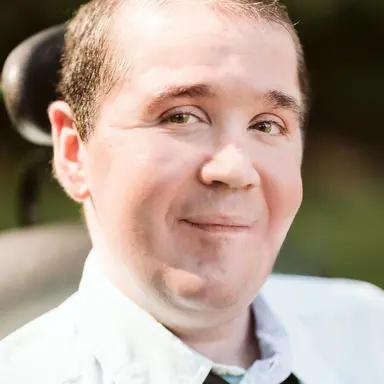
Ryan Yellowlees, MC, RCC
Registered Clinical Counsellor
I provide compassionate counselling that champions your strengths, honours your journey, and creates space where you feel truly seen and supported.

Debra (Debbie) Airth
Registered Therapeutic Counsellor
Come as you are. Let's begin from there. I support individuals and couples navigating grief, chronic illness, trauma, identity exploration, LGBTQ+ experiences, polyamory/ENM, and life transitions. My approach is warm, trauma-informed, and rooted in genuine human connection, helping you reconnect with your strengths and move forward with greater clarity and self-compassion.

Stacy Kirkbride
Registered Psychotherapist, Recreation Therapist
I offer compassionate support for those living with chronic illness, pain, and post-injury life challenges. I specialize in helping you navigate the emotional and mental hurdles these bring. My goal is to help you reclaim your sense of self, cope with grief and loss, and rebuild your life with resilience and purpose. You're not alone--I'm here to support you every step of the way.

Amanda Strider
Registered Clinical Counsellor
Specializing in adult ADHD, burnout, self-esteem, and chronic pain

Kristy Brosz, MSW, RCSW
Registered Clinical Social Worker/Mental Health Therapist
*Chronic Illness/Rare Disease Therapist & Trauma/Grief Specialist* Kristy's practice focuses on the intersection between trauma and grief/loss. Kristy has a special interest in the areas of trauma, grief/loss, rare/chronic illness, palliative care, and adoption/foster/kinship care.
How do therapists in Duncan, BC compare?
Number of therapists listed
Average years in practice
Currently accepting new clients
Therapists in Duncan, BC who prioritize treating:
How therapists see their clients
Top therapy approaches used in Duncan, BC:
Frequently Asked Questions About Chronic Pain
How can therapy help with chronic pain?
Therapy does not eliminate chronic pain, but it can significantly reduce pain's impact on daily life, emotional wellbeing, and functioning. Psychological approaches help people change their relationship to pain — reducing the fear, catastrophizing, and avoidance that amplify suffering — and develop skills for managing flares, improving sleep, staying active, and maintaining relationships despite pain. Research consistently shows that psychological treatment improves quality of life even when pain itself does not fully resolve.
What is the connection between pain and mental health?
Chronic pain and mental health are deeply interconnected. Depression and anxiety are among the most common co-occurring conditions with chronic pain — each worsening the other in a reinforcing cycle. Pain that is not well controlled increases the risk of depression; depression lowers pain tolerance and makes coping harder. Trauma also plays a significant role: adverse childhood experiences and PTSD are associated with higher rates of chronic pain. Addressing mental health alongside pain is widely recognized as best practice.
What therapy approaches are used for chronic pain?
Cognitive Behavioural Therapy for chronic pain (CBT-CP) is the most extensively researched approach, targeting pain-related thoughts, behaviours, and emotions. Acceptance and Commitment Therapy (ACT) helps people live fully despite pain by building psychological flexibility and values-based action. Mindfulness-Based Stress Reduction (MBSR) has strong evidence for improving pain-related quality of life. Somatic and trauma-informed approaches are increasingly used when trauma underlies chronic pain presentations.
Does therapy mean I should stop pain medications?
No — therapy for chronic pain is not a replacement for medical treatment; it is a complement to it. The goal is interdisciplinary pain management: combining medical, psychological, physiotherapy, and lifestyle approaches for the best outcomes. Decisions about medication are made with your physician, not your therapist. Some people find that as coping improves and function increases through therapy, their need for certain medications may change — but this is a medical decision, not a therapeutic one.
How many sessions does chronic pain therapy take?
CBT for chronic pain is typically delivered over 8–12 weekly sessions, which is sufficient to produce meaningful improvements in functioning and quality of life for many people. Some people with complex pain presentations, co-occurring trauma, or significant depression benefit from longer-term therapy. Booster sessions are sometimes useful during flare periods or major stressors. Your therapist will tailor the plan to your specific pain condition and life circumstances.