Psychoanalytic Therapists in Duncan, BC

Matthew Pitts
Registered Psychotherapist
I work with individuals and couples, focusing on areas like anxiety, relationship conflict, career stress, and recurring interpersonal patterns. My approach is collaborative, reflective, compassionate, and direct when helpful. Drawing from experience in family law, finance, marriage, and parenthood, I help clients navigate conflict, stress, and personal growth.

Liana Yip
Counsellor, MA, MCP, RCC
I work with folks who long to break free from patterns that perhaps were once helpful but are now worn out or destructive, who wish to reclaim lost or forgotten parts of themselves, their ancestral lineages, and their communities; who are seeking autonomy, sovereignty, and a sense of purpose in a world that needs us to show up and participate in our own unique ways more than ever.

Amelia Traer
Registered Psychotherapist (Qualifying), BA, PsiChi
My work is shaped by CBT, ACT, DBT, ERP, and trauma-informed, mindfulness-based approaches. I support clients with anxiety, burnout, OCD and phobias, ADHD, grief, life transitions, women's health, and chronic health concerns. Our therapy space adapts, with a focus on connection, emotional regulation, and practical strategies that fit your life.
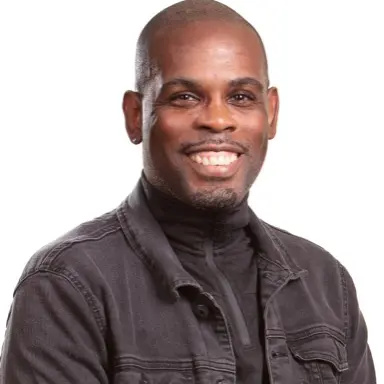
DeRoux Jones
Registered Psychotherapist
I’m DeRoux Jones, a Registered Psychotherapist in Ontario with a Master of Counselling Psychology specializing in Marriage & Family Therapy. I serve individuals, couples, and families, helping with anxiety, depression, grief, relationships, and Christian counselling. My approach is collaborative, evidence-based, and client-centered, creating a safe space for growth and healing.

Li Li
Registered Psychotherapist
Li offers relational psychoanalytic and trauma-informed somatic/EMDR/IFS/EFT therapy, to support individual, couples and families in communities such as immigrants, LGBTQ+, neurodivergent (ADHD), and professionals, whose experiences resonate with her own life journey the most. She holds a compassionate, culturally attuned space where clients can express freely and rediscover their authentic self.

Eleni Anagnosti
Registered Psychotherapist (Qualifying), ADHD-CCSP, MS, HBA, BA
My approach is compassionate, culturally attuned, and collaborative. I draw from CBT, strengths-based, solution-focused, and trauma-informed approaches to support ADHD, anxiety, depression, burnout, grief, life transitions, and relationship patterns. Together, we focus on building practical tools, emotional balance, and a stronger sense of self-trust.
How do therapists in Duncan, BC compare?
Number of therapists listed
Average years in practice
Currently accepting new clients
Therapists in Duncan, BC who prioritize treating:
How therapists see their clients
Top therapy approaches used in Duncan, BC:
Frequently Asked Questions About Psychoanalytic
What is psychoanalytic therapy?
Psychoanalytic therapy is descended from the work of Sigmund Freud and focuses on the role of unconscious mental processes — wishes, conflicts, defences, and early relational experiences — in shaping personality, psychological symptoms, and behaviour. Classic psychoanalysis (multiple sessions weekly, patient on a couch, analyst out of view) has evolved into a range of more contemporary psychoanalytic approaches. Modern psychoanalytic therapy typically involves face-to-face sessions (one to three times weekly), active engagement between therapist and patient, and a focus on both unconscious patterns and the therapeutic relationship.
How has psychoanalysis evolved since Freud?
Post-Freudian developments include Object Relations theory (Melanie Klein, Donald Winnicott — focusing on internalized relational patterns from early life), Self Psychology (Heinz Kohut — focusing on the development of the self and narcissistic injury), Relational Psychoanalysis (mutual influence of patient and analyst, analyst's subjectivity is acknowledged rather than hidden), Intersubjectivity theory, and Attachment-Based Psychoanalysis. These approaches have significantly modified classical Freudian ideas while retaining the emphasis on unconscious processes and depth exploration.
What does psychoanalytic therapy address?
Psychoanalytic therapy addresses chronic depression and dysthymia, anxiety with unclear origins, personality difficulties, repetitive relationship patterns, difficulties with intimacy, identity and self-esteem concerns, complex trauma and its relational effects, creative blocks, and existential questions. It is particularly suited to people who want to understand themselves deeply — not just change specific symptoms — and who are interested in the historical roots of their current difficulties.
Is psychoanalytic therapy evidence-based?
Long-term psychodynamic/psychoanalytic therapy has a substantial and growing evidence base. Meta-analyses show it is effective for depression, anxiety, personality disorders, somatic disorders, and complex presentations — with effect sizes comparable to CBT for many conditions. A notable finding is the "sleeper effect" — gains from psychoanalytic therapy continue to improve after termination, unlike some briefer therapies where gains plateau. The research supports longer-term work for complex presentations.
How long does psychoanalytic therapy last?
Psychoanalytic therapy is typically a long-term undertaking — often one to several years, sometimes longer. This reflects the depth of exploration involved and the time required for lasting personality change. Cost and time commitment are significant considerations. Short-term psychodynamic therapy (STPP) is a modified approach that concentrates psychoanalytic work into 16–40 sessions through a specific focus; it has good evidence and may be a more accessible entry point for those interested in this approach.