Sex Therapy Therapists in Hope, BC
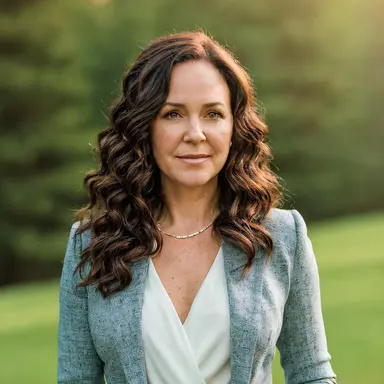
Dr Teesha Morgan
Psychotherapist, Couples Counsellor, Sex Therapist
Hi, my name is Dr. Teesha Morgan (she/her) and I’ve been a Sex Therapist and Couples Counsellor for over 15 years. Most people, when you mention you’re a Sex Therapist, wonder how you got that title and what it is you do, day to day. Well, I received a Bachelor of Science, a Masters in Counselling (specializing in Sex Therapy), and a Doctorate in Human Sexuality. Day to day, I see individuals a…

Sarah Perone
Registered Psychotherapist (Qualifying)
I help individuals and couples break painful relationship cycles so they can feel more connected, secure, and confident. I support concerns like recurrent conflict, relationship anxiety (and ROCD), limerence, and resentment. Using an attachment- and evidence-based approach, I offer warm, non-judgmental virtual therapy across Ontario. Book a free 15-minute consultation to get started.

Carlos (Charlie) Garcia
CCC, MHC, MSc, PhD Candidate in Clinical Sexology
I help adults and couples navigate anxiety, identity, sexuality, intimacy and sexual concerns, and relationship challenges. My approach is modern, direct, and integrative — no fluff. I work with individuals of all genders and orientations, with a specialization in LGBTQ+ and trans clients. Bilingual services available in English and Spanish. Virtual sessions across Florida (USA) & Canada.
How do therapists in Hope, BC compare?
Number of therapists listed
Average years in practice
Currently accepting new clients
Therapists in Hope, BC who prioritize treating:
How therapists see their clients
Top therapy approaches used in Hope, BC:
Frequently Asked Questions About Sex Therapy
What is sex therapy and what does it involve?
Sex therapy is a specialized form of talk therapy focused on sexual concerns, difficulties, and relationships. Sessions are conversational — there is no physical contact or sexual activity involved. A sex therapist helps individuals and couples understand the physical, psychological, and relational factors affecting their sexual wellbeing, and develops practical strategies to address specific concerns.
What issues does sex therapy address?
Sex therapists work with a wide range of concerns including low sexual desire, arousal difficulties, pain during sex (vaginismus, dyspareunia), erectile dysfunction, premature or delayed ejaculation, sexual trauma and shame, mismatched desire between partners, questions about sexual identity, and the impact of illness, medication, or life transitions on sexuality. Both individuals and couples are welcome.
Is sex therapy different from couples counselling?
Sex therapy has a specific focus on sexual and intimacy concerns, whereas couples counselling addresses the broader relationship. The two often overlap — sexual difficulties can stem from or contribute to relationship problems — and many therapists trained in sex therapy also practise general couples work. If both sexual and relationship issues are present, a therapist with training in both areas is often the best fit.
Do both partners need to attend sex therapy?
Not necessarily. Many people attend sex therapy individually to address personal concerns, past trauma, or sexual identity questions. Couples often attend together when the issue involves both partners or affects the relationship dynamic. Some therapists work with one partner individually first and invite the other to join later. Your therapist will discuss the most effective format for your specific situation.
Is sex therapy covered by insurance in Canada?
Coverage depends on your province and insurance plan. Many extended health benefits cover psychotherapy regardless of the presenting concern, which would include sex therapy when provided by a registered therapist, psychologist, or social worker. Some plans specify which designations are covered. It is worth checking your plan details or contacting your insurer directly — and asking your therapist about their professional designation when inquiring about coverage.
