Autism Therapists in Hope, BC
Verified by Theralist
Verified and in good standing. Last verified Nov 12, 2026
Verification confirms registration only, not fit or quality of care.
How verification worksPsychiatric Nurse Practitioner, NP-PHC, ADHD-SP, MScN
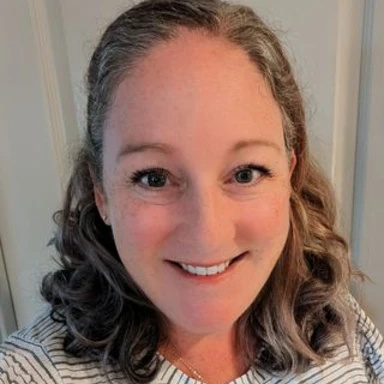
Heather Wesselo is a psychiatric nurse practitioner and therapist in Alberta offering online ADHD and autism support for teens and adults.

Verified by Theralist
Verified and in good standing. Last verified Nov 7, 2026
Verification confirms registration only, not fit or quality of care.
How verification worksMC, RCC, ADHD-CCSP, DCP(c)
Yuka Oshimi is a registered clinical counsellor and therapist in British Columbia who works online with adults on ADHD, autism, anxiety and depression.

Verified by Theralist
Verified and in good standing. Last verified Nov 6, 2026
Verification confirms registration only, not fit or quality of care.
How verification worksRegistered Psychotherapist (Qualifying), MACP, ADHD-CP, EMDR, BA
Ferdie Mateos is a registered psychotherapist (qualifying) and therapist in Ontario, working online with adults and couples on ADHD, anxiety or trauma.
Verified by Theralist
Verified and in good standing. Last verified Nov 17, 2026
Verification confirms registration only, not fit or quality of care.
How verification worksRegistered Clinical Counsellor & Certified Canadian Counsellor
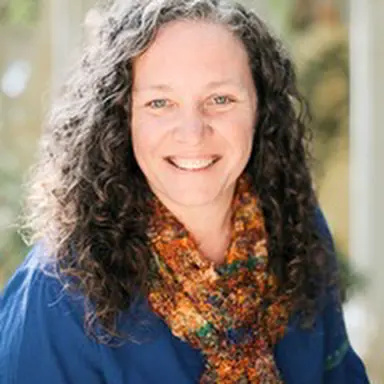
Maureen Codispodi is a registered clinical counsellor and therapist in British Columbia who sees teens and adults online for anxiety and trauma.

RCC, R Psyc, MSW/RSW, CCC
NeurAlive Counselling & Neurofeedback therapists in Victoria, BC, serve children, teens and adults with ADHD, autism, anxiety and OCD, in person or online.

Verified by Theralist
Verified and in good standing. Last verified Nov 11, 2026
Verification confirms registration only, not fit or quality of care.
How verification worksRegistered Clinical Counsellor (RCC)
Melissa Andrews is a registered clinical counsellor (RCC) and therapist in Langley, BC, helping preteens, teens and adults with anxiety, ADHD and autism.

Verified by Theralist
Verified and in good standing. Last verified Nov 7, 2026
Verification confirms registration only, not fit or quality of care.
How verification worksCertified Canadian Counsellor
Sawah Danniels is a certified Canadian counsellor and therapist in British Columbia, working online with adults on ADHD, autism and eating disorders.

Verified by Theralist
Verified and in good standing. Last verified Nov 11, 2026
Verification confirms registration only, not fit or quality of care.
How verification worksRegistered Psychotherapist (Qualifying)
Emma Laughlan is a qualifying registered psychotherapist and therapist in Ontario who works online with teens and adults on anxiety, using IFS and DBT.
Verified by Theralist
Verified and in good standing. Last verified Nov 11, 2026
Verification confirms registration only, not fit or quality of care.
How verification worksRegistered Psychotherapist
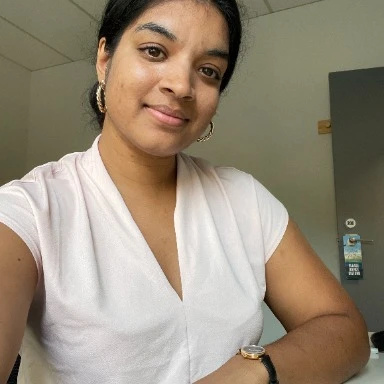
Chantelle Vaz is a registered psychotherapist and therapist in Mississauga, Ontario, working in person and online with anxiety, depression and ADHD.
Hope Therapists at a Glance
Number of therapists listed
Average years in practice
Currently accepting new clients
Therapists in Hope who prioritize treating:
How therapists see their clients
Top therapy approaches used in Hope:
Frequently Asked Questions About Autism
What role does therapy play for autistic individuals?
Therapy for autistic children, adolescents, and adults can address a wide range of goals — from managing co-occurring mental health conditions like anxiety and depression, to building social communication skills, navigating sensory challenges, processing identity, and supporting life transitions. Importantly, good autism-informed therapy respects autistic identity and neurodiversity, aiming to improve quality of life and wellbeing rather than to make autistic people appear neurotypical.
What types of therapy are used with autistic individuals?
A range of therapeutic approaches is used, tailored to the individual's age, profile, and goals. For younger children, Applied Behaviour Analysis (ABA), speech-language therapy, occupational therapy, and play therapy are commonly involved. For adolescents and adults, CBT adapted for autism is well-researched for anxiety and depression; DBT skills can support emotional regulation; and supportive or identity-affirming therapy addresses the unique experience of being autistic in a neurotypical world.
Can adults be diagnosed with autism and access therapy?
Yes — autism is increasingly being diagnosed in adults, including many who went undiagnosed for decades, particularly women and non-binary people who may have learned to mask autistic traits. An adult diagnosis can be clarifying and validating, and opens the door to more targeted therapy and support. You do not need a formal diagnosis to work with a therapist who has autism expertise — many people access support based on self-identification or a working clinical understanding.
What should I look for in a therapist for autism?
Look for a therapist with experience working with autistic clients and who takes a neurodiversity-affirming approach — one that views autism as a different neurological profile rather than a deficit to be corrected. Ask about their familiarity with autism-specific challenges (sensory sensitivities, social communication differences, executive functioning) and whether they have experience adapting therapy to meet autistic clients' needs. Direct communication style and predictable session structure are often helpful.
Does therapy for autism focus on "fixing" autistic traits?
Ethical, neurodiversity-affirming therapy does not aim to eliminate autistic traits or make autistic people appear more neurotypical. Instead, it focuses on reducing genuine distress, supporting the development of skills the individual actually wants to develop, and building self-understanding and self-acceptance. The autistic community has increasingly called for therapy models that centre autistic wellbeing and identity, and many therapists in Canada have embraced this approach.