Imago Therapists in Brampton, ON
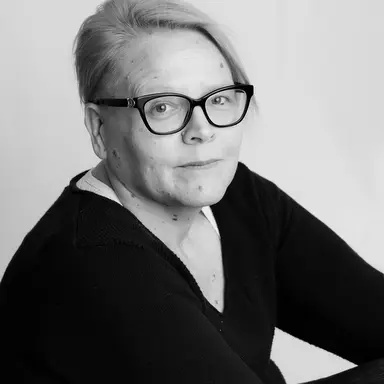
Johanna Benoit
Registered Psychotherapist
NIHB provider, specializing in CPTSD and trauma, perinatal grief and loss, PTSD, anxiety, depression and borderline personality disorder.

Maria Yaglovski
Registered Psychotherapist/ Canadian Certified Counsellor
Hi, I’m Maria, a Registered Psychotherapist and Canadian Certified Counsellor. I provide a supportive, non-judgmental space to explore patterns, beliefs, and challenges. Through mindfulness and evidence-based approaches, I help you gain clarity, shift perspective, and create meaningful, lasting change.

Ukasha Malik
Registered Psychotherapist
Ukasha Psychotherapy is a private therapy practice focused on trauma-informed care, self-awareness, and empowerment. It offers a safe, supportive space for clients to work through challenges like anxiety, depression, and relationship issues. The practice emphasizes accessible mental health education, coping tools, and personal growth.
How do therapists in Brampton, ON compare?
Number of therapists listed
Average years in practice
Currently accepting new clients
Therapists in Brampton, ON who prioritize treating:
How therapists see their clients
Top therapy approaches used in Brampton, ON:
Frequently Asked Questions About Imago
What is Imago Relationship Therapy?
Imago Relationship Therapy (IRT) was developed by Harville Hendrix and Helen LaKelly Hunt and introduced in the 1988 book "Getting the Love You Want." Imago (Latin for "image") refers to an unconscious composite image of early caregivers that shapes who we are attracted to as adults. IRT proposes that we are drawn to partners who carry both the positive and negative traits of our primary caregivers — and that intimate relationships trigger the unresolved wounds of childhood, offering both the wound and an opportunity for healing.
What is the Imago Dialogue?
The Imago Dialogue is the central tool of IRT — a structured communication technique designed to create safety and connection in couples. It involves three steps: mirroring (the listener repeats back what the sender said, as accurately as possible), validation (expressing that the sender's experience makes sense from their perspective, even if you see it differently), and empathy (attempting to imagine what the sender might be feeling). The Imago Dialogue slows down interaction and prevents the defensive reactions that typically block couples' communication.
What relationship issues does Imago therapy address?
Imago therapy addresses recurring conflict and communication breakdown, emotional distance and disconnection, power struggles, the impact of childhood wounds on the partnership, recovering from infidelity, rebuilding intimacy, and navigating major life transitions as a couple. It is used both for couples in significant distress and for those who are functioning reasonably well but want to deepen their connection. Imago workshops ("Getting the Love You Want" couples workshops) are also widely available as a complement to individual therapy.
Is Imago therapy suitable for all couples?
Imago therapy is suitable for most couples regardless of sexual orientation, gender, religion, or relationship structure. It is not appropriate when there is current active domestic violence — the vulnerability required by the Imago Dialogue process is not safe in an abusive relationship. When one or both partners have significant individual concerns (severe depression, substance use, active trauma), addressing these concurrently or first improves outcomes.
How is Imago therapy different from other couples therapies?
Imago therapy is distinctive in its theoretical emphasis on the role of childhood wounds and the unconscious partner selection process. The Imago Dialogue is more structured and scripted than the communication work in, for example, Gottman Method or Emotion-Focused Couples Therapy. IRT has a spiritual/transpersonal dimension that some couples find meaningful and others prefer to leave aside. Gottman Method focuses more on research-based relationship science; EFT focuses on attachment and emotion. All three have evidence for effectiveness.