Relational Therapists in Brampton, ON

Verified by Theralist
Verified and in good standing. Last verified Nov 5, 2026
Verification confirms registration only, not fit or quality of care.
How verification worksRegistered Psychotherapist
Signy Fridriksson is a registered psychotherapist and therapist in Ottawa, Ontario, offering couples therapy for infidelity and grief counselling.
Verified by Theralist
Verified and in good standing. Last verified Nov 6, 2026
Verification confirms registration only, not fit or quality of care.
How verification worksRegistered Psychotherapist
Lisa O'Donovan is a registered psychotherapist and therapist in Burlington, Ontario, working with trauma, addiction and relationships, in person or online.
Verified by Theralist
Verified and in good standing. Last verified Nov 5, 2026
Verification confirms registration only, not fit or quality of care.
How verification worksRegistered Psychotherapist, Clinical Supervisor & Traumatologist
Alysha Bernstein is a registered psychotherapist and therapist in Toronto, working with anxiety, trauma and PTSD, and couples using the Gottman Method.

Verified by Theralist
Verified and in good standing. Last verified Nov 7, 2026
Verification confirms registration only, not fit or quality of care.
How verification worksRegistered Psychotherapist
Ukasha Malik is a registered psychotherapist and online therapist in Ontario for adults with anxiety, depression and ADHD. Sessions in Urdu.

Verified by Theralist
Verified and in good standing. Last verified Nov 11, 2026
Verification confirms registration only, not fit or quality of care.
How verification worksRegistered Psychotherapist
Varshini Skantharajah is a registered psychotherapist and therapist in Toronto helping adults with anxiety, depression and trauma, in person or online.

Verified by Theralist
Verified and in good standing. Last verified Nov 12, 2026
Verification confirms registration only, not fit or quality of care.
How verification worksCanadian Certified Counsellor (CCC), Registered Psychotherapist (Qualifying), Registered Counselling Therapist (Candidate)
Yaroslav Grechkin is a Canadian certified counsellor (CCC) and therapist in Ontario, seeing adults and teens online for trauma, PTSD and self-esteem.

Verified by Theralist
Verified and in good standing. Last verified Nov 11, 2026
Verification confirms registration only, not fit or quality of care.
How verification worksRegistered Psychotherapist
Sydney Tricand is a registered psychotherapist and therapist in Guelph, Ontario, helping adults with anxiety, trauma, and pregnancy-related concerns.
Verified by Theralist
Verified and in good standing. Last verified Nov 11, 2026
Verification confirms registration only, not fit or quality of care.
How verification worksRegistered Social Worker
Ivana Stanic is a registered social worker and therapist in Hamilton, Ontario, offering couples therapy, EMDR and ADHD support for adults and teens.
Verified by Theralist
Verified and in good standing. Last verified Nov 8, 2026
Verification confirms registration only, not fit or quality of care.
How verification worksRegistered Psychotherapist
Jillian Ivany is a registered psychotherapist and therapist in Burlington and online across Ontario, focusing on grief, trauma and PTSD.

Verified by Theralist
Verified and in good standing. Last verified Nov 11, 2026
Verification confirms registration only, not fit or quality of care.
How verification worksRegistered Psychotherapist (Qualifying)
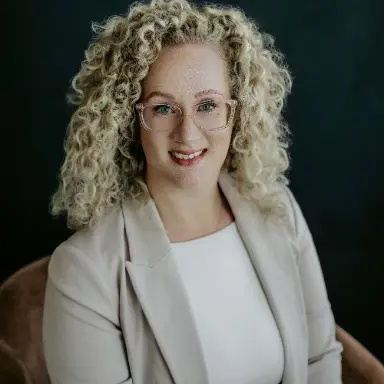
Emily Griffin is a qualifying registered psychotherapist and online therapist in Ontario who helps teens and adults with anxiety and eating disorders.
Verified by Theralist
Verified and in good standing. Last verified Nov 16, 2026
Verification confirms registration only, not fit or quality of care.
How verification worksRegistered Social Worker, Master of Clinical Social Work
Michelle Keough is a registered social worker and therapist in Calgary, Alberta, who works with couples using Emotionally Focused Therapy.

Verified by Theralist
Verified and in good standing. Last verified Nov 7, 2026
Verification confirms registration only, not fit or quality of care.
How verification worksRegistered Psychotherapist
Jennifer Oakley is a registered psychotherapist and online therapist in Ontario focused on adoption loss, reunion, grief and trauma.

Verified by Theralist
Verified and in good standing. Last verified Nov 11, 2026
Verification confirms registration only, not fit or quality of care.
How verification worksRegistered Psychotherapist
Alice Lurie is a registered psychotherapist and therapist in Ontario offering online couples therapy and help with anxiety and depression.

Verified by Theralist
Verified and in good standing. Last verified Nov 17, 2026
Verification confirms registration only, not fit or quality of care.
How verification worksRegistered Psychotherapist (Qualifying)
Mara Behan is an online therapist in Ontario and registered psychotherapist (qualifying) focused on infidelity, divorce and infertility.

Verified by Theralist
Verified and in good standing. Last verified Nov 11, 2026
Verification confirms registration only, not fit or quality of care.
How verification worksRegistered Psychotherapist (Qualifying)
Emma Laughlan is a qualifying registered psychotherapist and therapist in Ontario who works online with teens and adults on anxiety, using IFS and DBT.

Verified by Theralist
Verified and in good standing. Last verified Nov 7, 2026
Verification confirms registration only, not fit or quality of care.
How verification worksRegistered Psychotherapist (Qualifying)
Jodi Evers is a registered psychotherapist (qualifying) and therapist in Ontario, helping teens and adults with anxiety, trauma and PTSD.

Verified by Theralist
Verified and in good standing. Last verified Nov 6, 2026
Verification confirms registration only, not fit or quality of care.
How verification worksRegistered Psychotherapist, MACP, B.Sc (Hons)
Jessica DeMille is a registered psychotherapist and therapist in Oshawa, Ontario, working with anxiety, depression, codependency and relationship issues.

Verified by Theralist
Verified and in good standing. Last verified Nov 8, 2026
Verification confirms registration only, not fit or quality of care.
How verification worksRegistered Psychotherapist (Qualifying)
Lester Vega is a registered psychotherapist (qualifying) and therapist in Ontario, working online with adults on trauma and grief. Also works in Spanish.

Verified by Theralist
Verified and in good standing. Last verified Nov 11, 2026
Verification confirms registration only, not fit or quality of care.
How verification worksRegistered Psychotherapist (Qualifying)
Anastasia Berezowsky is a qualifying registered psychotherapist and therapist in Toronto, Ontario, seeing teens, adults and couples online or in person.

Verified by Theralist
Verified and in good standing. Last verified Nov 7, 2026
Verification confirms registration only, not fit or quality of care.
How verification worksRegistered Psychotherapist (Qualifying)
Victoria Brassard is a registered psychotherapist (qualifying) and therapist in Kingston, Ontario, helping adults with anxiety, grief, ADHD and trauma.
Brampton Therapists at a Glance
Number of therapists listed
Average years in practice
Currently accepting new clients
Therapists in Brampton who prioritize treating:
How therapists see their clients
Top therapy approaches used in Brampton:
Frequently Asked Questions About Relational
What is relational therapy?
Relational therapy is a broad orientation in psychotherapy that places the therapeutic relationship at the centre of therapeutic change. Drawing on relational psychoanalysis, attachment theory, and interpersonal neurobiology, it understands psychological wellbeing and suffering as fundamentally relational — arising within relationships and healed within relationships. The quality of the connection between therapist and client — characterized by attunement, genuine presence, and authentic engagement — is itself therapeutic, not merely a vehicle for delivering techniques.
What distinguishes relational therapy from other approaches?
Relational therapy differs from classical psychoanalysis in acknowledging that the therapist is not a neutral blank screen — the therapist's own subjectivity is recognized and is part of the therapeutic field. It differs from CBT in that the relationship is the primary focus, not techniques. Relational therapists attend carefully to what happens in the therapeutic relationship in the moment — ruptures, repairs, moments of connection, and the enactments of the client's relational patterns within the therapy room. Authenticity and genuine contact matter more than neutrality.
What issues does relational therapy address?
Relational therapy is particularly suited to attachment difficulties, relationship patterns (repeating the same dynamics across different relationships), depression and anxiety with relational roots, the effects of early neglect or emotional unavailability (which often produce less visible but deeply felt wounds), personality difficulties, and the long-term effects of relational trauma. It is also valuable for people who have found more technique-focused therapies insufficient or who crave genuine human connection as part of their healing.
What is the role of the therapeutic relationship in relational therapy?
In relational therapy, the therapeutic relationship is not just the container for delivering treatment — it is the treatment. When a client who has been hurt in relationships encounters a therapist who is consistently attentive, honest, and genuinely caring, the experience itself begins to create new relational expectations. Ruptures in the therapeutic relationship (misattunements, misunderstandings) are important opportunities — the therapist acknowledges them and repairs them, modeling how ruptures can be repaired in ways the client may never have experienced.
Is relational therapy evidence-based?
The therapeutic alliance — the quality of the relationship between therapist and client — is one of the most robust predictors of therapy outcome across all approaches, supported by decades of research. Relational therapy is the approach most explicitly organized around this finding. While "relational therapy" as a distinct modality is harder to study in randomized trials than manualized approaches, the relational factors it prioritizes have the strongest evidence of any component of psychotherapy.