Intervention Therapists in Etobicoke, ON
Verified by Theralist
Verified and in good standing. Last verified Nov 12, 2026
Verification confirms registration only, not fit or quality of care.
How verification worksRegistered Social Worker, Mental Health Therapist, Clinical Educator
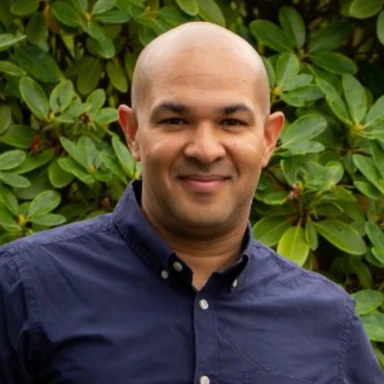
Teak Daniel is a registered social worker and therapist in British Columbia, specializing in bipolar disorder, depression and anxiety.

Verified by Theralist
Verified and in good standing. Last verified Nov 6, 2026
Verification confirms registration only, not fit or quality of care.
How verification worksRegistered Psychotherapist
Annie Szalkai is a registered psychotherapist and online therapist in Ontario, helping adults with anxiety and depression using CBT and DBT.

Verified by Theralist
Verified and in good standing. Last verified Nov 7, 2026
Verification confirms registration only, not fit or quality of care.
How verification worksRSSW, Psychotherapist
Horace Spence is a therapist in Ontario and an RSSW and psychotherapist who works online with couples, families and BIPOC clients on addiction and trauma.

Verified by Theralist
Verified and in good standing. Last verified Nov 12, 2026
Verification confirms registration only, not fit or quality of care.
How verification worksRegistered Social Worker/ Psychotherapist
Janalyn Dodds is a registered social worker and psychotherapist, a therapist in Ontario, offering online CBT for adults with trauma or depression.
Verified by Theralist
Verified and in good standing. Last verified Nov 11, 2026
Verification confirms registration only, not fit or quality of care.
How verification worksRegistered Psychotherapist
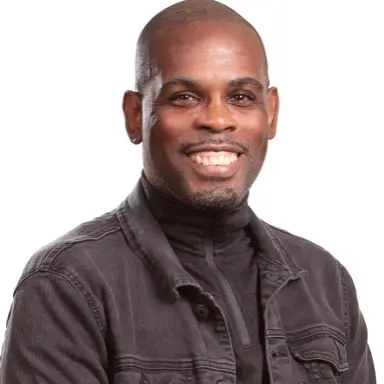
DeRoux Jones is a registered psychotherapist and therapist in Ontario who works with adults and teens on grief, anxiety, depression and divorce.
Verified by Theralist
Verified and in good standing. Last verified Nov 12, 2026
Verification confirms registration only, not fit or quality of care.
How verification worksRegistered Psychotherapist(Q)
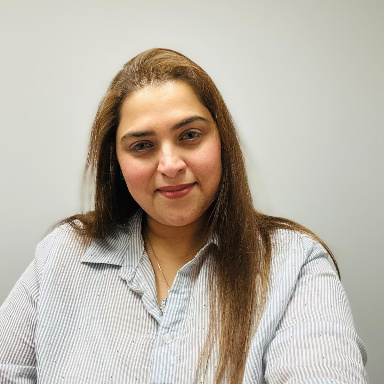
Hanadi Dar is a registered psychotherapist (qualifying) and therapist in Oakville, Ontario, working with anxiety, trauma, depression and ADHD.

Verified by Theralist
Verified and in good standing. Last verified Nov 11, 2026
Verification confirms registration only, not fit or quality of care.
How verification worksRegistered Psychotherapist, M Psy, MSc, RP
Paris Moaf is a registered psychotherapist and therapist in Ontario who sees couples and families online for anxiety, depression and anger.
Etobicoke Therapists at a Glance
Number of therapists listed
Average years in practice
Currently accepting new clients
Therapists in Etobicoke who prioritize treating:
How therapists see their clients
Top therapy approaches used in Etobicoke:
Frequently Asked Questions About Intervention
What is a therapeutic intervention?
In a mental health and addiction context, an intervention typically refers to a structured process designed to help someone who is struggling with addiction or a mental health crisis to recognize the impact of their situation and accept help. Interventions can range from informal conversations between loved ones and the person of concern, to professionally facilitated structured interventions (such as the ARISE or Johnson Intervention models), to involuntary assessments when a person poses an imminent risk to themselves or others. Intervention is also used more broadly to refer to any therapeutic action or treatment approach.
When should a family consider a formal intervention?
A formal intervention may be worth considering when someone's addiction or mental health crisis is causing significant harm to themselves or their family and they are not willing to seek help independently; when informal conversations have not been effective; and when the family is organized and committed to supporting treatment. Interventions are not appropriate in all situations — active domestic violence, significant mental illness, or highly strained family relationships can make structured interventions counterproductive or unsafe. Professional guidance is essential.
What are the different models of intervention?
The Johnson Intervention (confrontational, surprise model) was historically the most common but has given way to more collaborative approaches. The ARISE model involves the person of concern from the start rather than surprising them. The CRAFT (Community Reinforcement and Family Training) model teaches family members specific skills to reduce enabling and increase the likelihood the person will seek treatment — without a formal "intervention event." Research suggests CRAFT is as effective as or more effective than traditional intervention models for getting resistant loved ones into treatment.
Should I use a professional interventionist?
A professional interventionist — typically a certified addiction counsellor or therapist with specific training in intervention — can provide invaluable guidance: assessing whether intervention is appropriate, helping the family prepare, facilitating the intervention itself, and managing unexpected reactions. The intervention field in Canada is not tightly regulated, so checking credentials is important. A therapist trained in CRAFT may be a better first option for many families than a traditional interventionist.
What if the person refuses to accept help after an intervention?
Refusal is a real possibility, and families must be prepared for it. If the person refuses, the most important thing family members can do is follow through on any consequences they have communicated, maintain their own support (therapy, Al-Anon, Nar-Anon), and avoid enabling behaviour that makes it easier for the person to continue without changing. CRAFT specifically trains family members in what to do both when the person accepts help and when they do not.