Domestic Abuse Therapists in Etobicoke, ON

Verified by Theralist
Verified and in good standing. Last verified Nov 5, 2026
Verification confirms registration only, not fit or quality of care.
How verification worksRegistered Psychotherapist, CCC, RD
Sophia Wolsfeld, a registered psychotherapist and therapist in Saskatchewan, offers online trauma therapy for adults facing infidelity or domestic abuse.

Verified by Theralist
Verified and in good standing. Last verified Nov 11, 2026
Verification confirms registration only, not fit or quality of care.
How verification worksRegistered Psychotherapist
Cierra DoCouto is a registered psychotherapist and therapist in Burlington, Ontario, working with relationship issues, trauma and anxiety for teens and adults.

Verified by Theralist
Verified and in good standing. Last verified Nov 17, 2026
Verification confirms registration only, not fit or quality of care.
How verification worksCounselor, RSW
Kimberly Lee-Louis is a registered social worker and therapist in Ontario working online on domestic abuse and relationship issues, using CBT and DBT.

Verified by Theralist
Verified and in good standing. Last verified Nov 5, 2026
Verification confirms registration only, not fit or quality of care.
How verification worksRegistered Psychotherapist, Sandalwood Psychotherapy
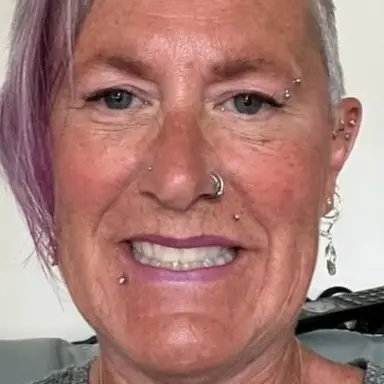
Allison Mundle is a registered psychotherapist and therapist in Etobicoke, Ontario, working with women on anxiety, codependency and trauma.
Verified by Theralist
Verified and in good standing. Last verified Nov 16, 2026
Verification confirms registration only, not fit or quality of care.
How verification worksRegistered Social Worker
Shannon Jervis is a registered social worker and therapist in Ontario offering online sessions for trauma, anxiety, depression and addiction.

Verified by Theralist
Verified and in good standing. Last verified Nov 11, 2026
Verification confirms registration only, not fit or quality of care.
How verification worksRegistered Social Worker/ Psychotherapist
Donnica Campbell is a registered social worker and psychotherapist in Ontario who works online with trauma, PTSD and domestic abuse, using CBT and DBT.
Verified by Theralist
Verified and in good standing. Last verified Nov 11, 2026
Verification confirms registration only, not fit or quality of care.
How verification worksRegistered Psychotherapist
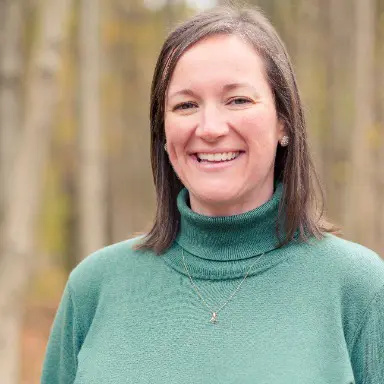
Ashley Davenport is a registered psychotherapist and therapist in Brantford, Ontario, working with adults and couples on anxiety, depression and trauma.

Verified by Theralist
Verified and in good standing. Last verified Nov 17, 2026
Verification confirms registration only, not fit or quality of care.
How verification worksRegistered Psychotherapist (Qualifying)
Victoria Theodoridis, a registered psychotherapist (qualifying) and therapist in Oshawa, helps teens, couples and families with trauma and conflict.

Verified by Theralist
Verified and in good standing. Last verified Nov 5, 2026
Verification confirms registration only, not fit or quality of care.
How verification worksRegistered Social Worker
Samantha Whittle is a registered social worker and therapist in Ottawa offering sex therapy and trauma support, in person or online.
Etobicoke Therapists at a Glance
Number of therapists listed
Average years in practice
Currently accepting new clients
Therapists in Etobicoke who prioritize treating:
How therapists see their clients
Top therapy approaches used in Etobicoke:
Frequently Asked Questions About Domestic Abuse
What is domestic abuse and what forms does it take?
Domestic abuse includes physical violence, sexual abuse, emotional and psychological abuse, financial control, and coercive control — a pattern of behaviour that seeks to take away the other person's freedom and sense of self. Many people experiencing abuse do not identify it as such, particularly when the abuse is primarily emotional or controlling rather than physical. If a relationship leaves you feeling afraid, walking on eggshells, isolated from others, or unsure of your own perceptions, these are signs worth exploring with a professional.
How does therapy help survivors of domestic abuse?
Therapy for abuse survivors addresses the trauma symptoms that result from abuse — including PTSD, hypervigilance, dissociation, depression, and anxiety. It also helps survivors understand the dynamics of abusive relationships (which are often confusing and disorienting), rebuild self-trust and self-worth, process complex grief about the relationship, make sense of their own responses, and plan for safety and the future. Trauma-informed therapists understand that complex relational trauma requires a careful, paced approach.
Is it safe to start therapy while still in an abusive relationship?
This depends on the specific situation, but therapy can be an important step even while still in the relationship — helping you understand the dynamics, clarify your own perceptions, and plan for safety. A therapist who specializes in domestic abuse will not pressure you to leave immediately and understands that leaving can actually increase risk in some situations. Safety planning — with a therapist or a shelter and crisis service — is an important part of the work.
What therapy approaches are used for domestic abuse survivors?
Trauma-focused CBT, EMDR, and somatic approaches are all used for the trauma symptoms resulting from abuse. Empowerment-focused models that centre the survivor's safety, autonomy, and self-determination are foundational. Therapy must be trauma-informed — understanding that complex relational trauma affects memory, emotion regulation, trust, and sense of self in ways that require careful, paced treatment rather than standard symptom-focused work.
What crisis resources are available for domestic abuse in Canada?
If you or someone you know is in immediate danger, call 911. Canada's national domestic violence helpline — the Assaulted Women's Helpline — is available 24/7 at 1-866-863-0511 (toll-free). Provincial victim services and local shelters provide crisis support, safety planning, and referrals to housing, legal aid, and counselling. Many shelters offer therapy services regardless of whether you stay at the shelter. Therapy in combination with these supports tends to produce the best outcomes.