Personality Disorders Therapists in Oakville, ON
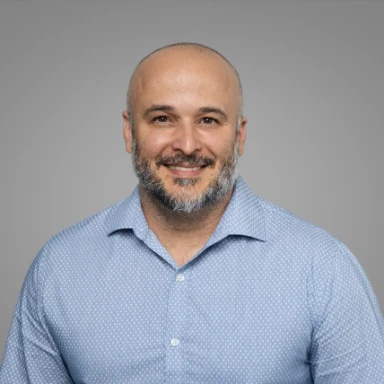
Lester Vega
Registered Psychotherapist (Qualifying)
I offer gentle, Jungian-oriented and psychodynamic psychotherapy for clients navigating anxiety, emotional disconnection, complex trauma, attachment wounds, burnout, and repeating relational patterns. Together, we explore emotions, relationships, dreams, spirituality, and meaning at a pace that supports insight, healing, and a more grounded relationship with yourself.

Yasmin Rombola-Bacchus
Registered Psychotherapist
Picture a road map through counselling therapy to find more meaningful connections with yourself & others, gaining more confidence & peace. Picture finding yourself again, a greater love for yourself & your life. Imagine a transformed you and a better future. In my practice, you will be provided with a safe & caring environment. Welcome to the first day of the rest of your life!
LifeCycle Cousnelling
Registered Psychotherapists and Social Workers
At LifeCycle Counselling we recognize how difficult it is to take the first step towards therapy, speak about your difficulties and explore uncomfortable emotions. We are a diverse group of multilingual therapists, many of whom have had our own mental health challenges and obstacles. We use client-centered approaches because we understand how important it is to meet you where you are. We respec...

Michelle Mailhiot
Registered Psychotherapist
The approach I use is trauma-focused Cognitive Behaviour Therapy (CBT), attachment-based Emotionally Focused Therapy (EFT), Compassion Focused Therapy, and Eye Movement Desensitization and Reprocessing (EMDR) for complex trauma. EMDR is an effective form of trauma therapy that has been extensively researched to help people who have experienced trauma resume the brain’s natural healing process.

Cherisse N. Doobay
Therapist
In our first session, I will ask you to share your story about your current struggles. We will work collaboratively to identify the core issues and what your goals are for our work together. At the core of my work is the belief in the resiliency of the human spirit; and that change can happen when we connect with each other and with our human nature.
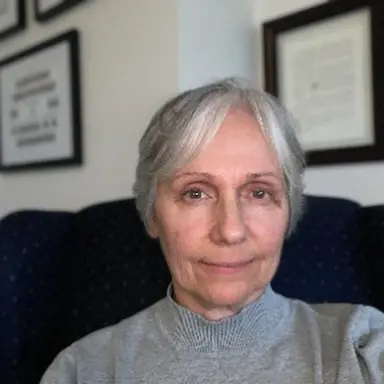
Lisa Dolson
Registered Psychotherapist
Lisa understands that life’s challenges can feel overwhelming — and that reaching out for support is a meaningful first step. Whether you're feeling stuck, exhausted, or seeking greater clarity and balance, she provides a compassionate and grounded space where healing and growth can begin. If you're ready to explore what’s possible, Lisa welcomes you to connect and begin your journey forward.
How do therapists in Oakville, ON compare?
Number of therapists listed
Average years in practice
Currently accepting new clients
Therapists in Oakville, ON who prioritize treating:
How therapists see their clients
Top therapy approaches used in Oakville, ON:
Frequently Asked Questions About Personality Disorders
What are personality disorders?
Personality disorders are enduring patterns of inner experience and behaviour that deviate markedly from cultural expectations, are pervasive and inflexible, begin in adolescence or early adulthood, and cause significant distress or functional impairment. The DSM-5 recognizes ten personality disorders grouped into three clusters — Cluster A (odd/eccentric: paranoid, schizoid, schizotypal), Cluster B (dramatic/erratic: antisocial, borderline, histrionic, narcissistic), and Cluster C (anxious/fearful: avoidant, dependent, obsessive-compulsive). Borderline personality disorder is the most commonly treated in outpatient settings.
Can personality disorders be treated effectively?
Yes — despite historical pessimism, research shows that many personality disorders, including borderline personality disorder, can be treated effectively. Significant improvement is achievable, and many people no longer meet diagnostic criteria for a personality disorder after appropriate treatment. Recovery may be slow and non-linear, and certain features (such as impulsivity or self-harm) respond more quickly than others (such as identity and relationship patterns), but positive change is genuinely possible with the right treatment and therapeutic relationship.
What therapy approaches have the best evidence for personality disorders?
Dialectical Behaviour Therapy (DBT) has the strongest evidence for borderline personality disorder, addressing emotion regulation, distress tolerance, interpersonal effectiveness, and mindfulness. Schema Therapy has strong evidence for BPD and other personality disorders, addressing the early maladaptive schemas and modes that drive problematic patterns. Mentalization-Based Treatment (MBT) improves the capacity to understand mental states in oneself and others. Transference-Focused Psychotherapy (TFP) is a psychodynamic approach with evidence for BPD. Longer-term treatment typically produces better outcomes.
What is the difference between a personality disorder and a mental illness like depression?
Mental illnesses (Axis I conditions like depression, anxiety, PTSD) are typically episodic — they come and go and represent a change from the person's baseline. Personality disorders are pervasive and consistent patterns that represent the person's characteristic way of relating to themselves, others, and the world. This distinction has become somewhat blurred as understanding of personality disorders has evolved — many are now understood as rooted in trauma and developmental experience rather than fixed "character defects." Personality disorders and mental illnesses very commonly co-occur.
How are personality disorders diagnosed?
Personality disorder diagnosis requires clinical assessment by a qualified mental health professional — psychologist, psychiatrist, or physician — who evaluates the pattern of inner experience and behaviour across multiple contexts and over time. Because personality features are pervasive and lifelong (rather than episodic), a thorough assessment considers developmental history, relationship patterns, emotional regulation, and functioning across domains. Diagnosis is not given in a single session and should not be based on a checklist alone. It is a clinical formulation, not a label.