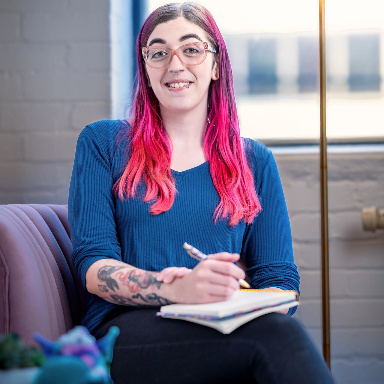
Kai Smith
Registered Psychotherapist (Qualifying)
Kai Smith is a registered psychotherapist (qualifying) and online therapist in Ontario offering couples therapy, sex therapy and trauma work.
Registered Psychotherapist (Qualifying)
Kai Smith is a registered psychotherapist (qualifying) and online therapist in Ontario offering couples therapy, sex therapy and trauma work.
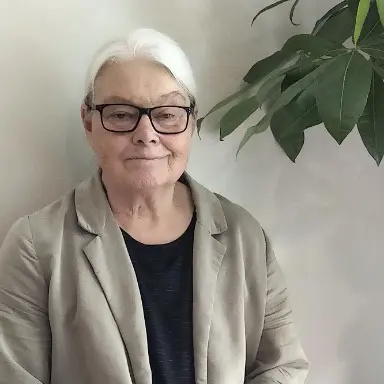
Registered Psychotherapist (Qualifying)
Fran Isaacs is a registered psychotherapist (qualifying) and therapist in Ontario offering online anxiety therapy for adults and older adults, using CBT.
Registered Social Worker
Tanja Ivic is a registered social worker and therapist in Ontario, working online with teens and adults on trauma, anxiety and addiction using DBT and CBT.
Registered Psychotherapist (Qualifying), Expressive Arts Therapist
Savannah Dasilva is an expressive arts therapist and registered psychotherapist (qualifying) in Toronto, Ontario, working with neurodivergent people.
Registered Psychologist/Counselling Therapist/Certified Counsellor
Therapy Collective is a Calgary, Alberta team of therapists offering online and in-person care for anxiety, trauma, ADHD, addiction and EMDR.
Registered Psychotherapist and Canadian Certified Counsellor
Kaitlyn Hillier is a registered psychotherapist and therapist in Ontario who offers online sex therapy and help with anxiety, depression and stress.
Registered Psychotherapist
Vrushalee Nachar is a registered psychotherapist and online therapist in Ontario, working with relational trauma and couples.
Registered Social Worker
Justine Little is a registered social worker and therapist in Vancouver, BC, supporting 2SLGBTQI+ adults and teens with trauma, anxiety and PTSD.
Registered Psychotherapist
Brayden Keeler is a registered psychotherapist and therapist in Ontario who works online with teens and adults on addiction, ADHD, autism and trauma.
Registered Psychotherapist (Qualifying), MA, BA, CTP
Sophie Marie McPherson is a registered psychotherapist (qualifying) and therapist in Kitchener, Ontario, working with teens, adults and couples on trauma.
Registered Social Worker
Shannon Jervis is a registered social worker and therapist in Ontario offering online sessions for trauma, anxiety, depression and addiction.
Registered Psychotherapist (Qualifying)
Shae Watson is a registered psychotherapist (qualifying) and therapist in Ontario who works online with ADHD, anxiety and 2SLGBTQI+ clients.
Registered Social Worker, Psychotherapist
Megan Gauthier is a registered social worker and therapist in Guelph, Ontario, helping adults and teens with trauma, anxiety and relationship issues.
Registered Social Worker
Vanessa Leggio is a registered social worker and therapist in Edmonton, Alberta, helping couples with infidelity and adults with trauma using EMDR.
CCC, MHC, MSc, PhD Candidate in Clinical Sexology
Carlos (Charlie) Garcia is a CCC and therapist in Ontario offering online sex therapy and couples counselling for adults in English and Spanish.
Registered Psychotherapist (Qualifying)
Franklynn Bartol, a registered psychotherapist (qualifying) and therapist in Toronto, works with individuals and couples on relationships and trauma.
Virtual Clinic, Registered Psychotherapist
The Journey Counselling and Psychotherapy is an Ontario registered psychotherapist and therapist offering online sessions for ADHD and grief.
Registered Psychotherapist
Yuhao Miao is a registered psychotherapist and therapist in Ontario who works with adults on anxiety, ADHD and depression, in English and Mandarin.
Registered Psychotherapist (RP)
Alyssa Haim is a registered psychotherapist (RP) and therapist in Toronto who works with addiction, depression and trauma, in person or online.
MSW,RSW
Johann Kong, a registered social worker and therapist in Ontario, works online with adults with depression, anxiety and bipolar disorder.
Number of therapists listed
Average years in practice
Currently accepting new clients
Therapists in Oakville who prioritize treating:
How therapists see their clients
Top therapy approaches used in Oakville:
Affirming therapy creates a safe, non-judgmental space where your sexual orientation, gender identity, and relationship structure are respected and validated — not treated as problems to be fixed or changed. An affirming therapist understands the unique experiences and stressors faced by 2SLGBTQI+ people, including experiences of discrimination, family rejection, navigating coming out, and the mental health impacts of minority stress. Affirming therapy can address any mental health concern, not only those directly related to identity.
Research consistently shows that 2SLGBTQI+ people experience higher rates of depression, anxiety, and suicidal ideation than the general population — not because of their identity, but because of minority stress, discrimination, and lack of acceptance. A therapist who is not affirming — or who holds biases about gender and sexuality — can cause harm, even unintentionally. An affirming therapist reduces the burden of having to explain or justify your identity, and helps you address mental health concerns in a context of full acceptance.
Common concerns include navigating coming out (to family, at work, in various communities), managing the emotional impact of discrimination or rejection, exploring gender identity or transition, relationship and family issues unique to queer experiences, internalized homophobia or transphobia, trauma from conversion practices, grief related to family estrangement, and the mental health effects of living in a world that may not fully accept who you are. Affirming therapists are equipped to support all of these areas.
Conversion therapy refers to practices that attempt to change a person's sexual orientation or gender identity. It is harmful, ineffective, and has been widely condemned by medical and psychological associations including the Canadian Psychological Association and the Canadian Psychiatric Association. As of 2022, performing conversion practices on anyone is a federal criminal offence in Canada. All therapists on Theralist operate within professional and legal standards that prohibit these practices.
Look for therapists who explicitly identify as 2SLGBTQI+ affirming or who have specific training in working with queer and trans clients. Some therapists are themselves 2SLGBTQI+ identified. In a first session, you might ask how they approach work with queer and trans clients, whether they have specific training in this area, and how they handle conversations about identity, transition, or relationships. Trust your instincts — if a therapist seems unsure, asks unnecessary questions about your identity, or frames your identity as something to be explored as a "problem," that is a sign to look elsewhere.