Behavioral Issues Therapists in Grande Prairie, AB

Verified by Theralist
Verified and in good standing. Last verified Nov 16, 2026
Verification confirms registration only, not fit or quality of care.
How verification worksCertified Counsellor
Erika Thebeau is a certified counsellor and therapist in New Brunswick who works online with adults and elders on anxiety, stress, and coping skills.

Verified by Theralist
Verified and in good standing. Last verified Nov 16, 2026
Verification confirms registration only, not fit or quality of care.
How verification worksRegistered Clinical Social Worker
Emma Bulman is a registered clinical social worker and therapist in Calgary, Alberta, helping children, teens and adults with anxiety and stress.

Verified by Theralist
Verified and in good standing. Last verified Nov 17, 2026
Verification confirms registration only, not fit or quality of care.
How verification worksRegistered Clinical Psychologist
Laurel Korotana is a registered clinical psychologist and therapist in Calgary treating anxiety, OCD and trauma with CBT and ERP for children, teens and adults.

Verified by Theralist
Verified and in good standing. Last verified Nov 11, 2026
Verification confirms registration only, not fit or quality of care.
How verification worksRegistered Psychotherapist
Katherine McNichol is a registered psychotherapist and online therapist in Ontario, helping couples, teens and adults with anxiety, depression and trauma.

Verified by Theralist
Verified and in good standing. Last verified Nov 17, 2026
Verification confirms registration only, not fit or quality of care.
How verification worksRegistered Psychologist
Dr. Sarah Owens is a registered psychologist and therapist in Calgary, Alberta, working with children, teens and families on anxiety and OCD.

Verified by Theralist
Verified and in good standing. Last verified Nov 17, 2026
Verification confirms registration only, not fit or quality of care.
How verification worksRegistered Clinical Psychologist
Jennifer Ference-Belhomme is a registered clinical psychologist and therapist in Calgary, working with children and teens on ADHD, autism and anxiety.

Verified by Theralist
Verified and in good standing. Last verified Nov 16, 2026
Verification confirms registration only, not fit or quality of care.
How verification worksCanadian Certified Counsellor
Tryphena Gabriel is a Canadian Certified Counsellor and therapist in Nunavut working online with children, teens and adults on depression or ADHD.

Verified by Theralist
Verified and in good standing. Last verified Nov 7, 2026
Verification confirms registration only, not fit or quality of care.
How verification worksMPCC-Provisional
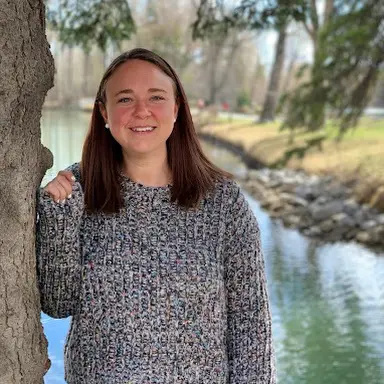
Ashley Johnson is a provisional MPCC and therapist in Calgary, Alberta who supports caregivers and first responders with trauma, grief and codependency.
Verified by Theralist
Verified and in good standing. Last verified Nov 16, 2026
Verification confirms registration only, not fit or quality of care.
How verification worksRegistered Psychologist
Tiffany Warren is a registered psychologist and therapist in Calgary, Alberta, offering CBT and DBT for anxiety, depression, ADHD and trauma.

Verified by Theralist
Verified and in good standing. Last verified Nov 9, 2026
Verification confirms registration only, not fit or quality of care.
How verification worksRegistered Social Worker, MSW
Lois McCormack is a registered social worker and therapist in Calgary, Alberta, who uses Emotionally Focused Therapy with couples on relationship issues.

Verified by Theralist
Verified and in good standing. Last verified Nov 9, 2026
Verification confirms registration only, not fit or quality of care.
How verification worksCanadian Certified Counsellor
Tabitha Brown is a Canadian certified counsellor and therapist in Alberta offering online counselling for trauma and PTSD, using EMDR and DBT.
Grande Prairie Therapists at a Glance
Number of therapists listed
Average years in practice
Currently accepting new clients
Therapists in Grande Prairie who prioritize treating:
How therapists see their clients
Top therapy approaches used in Grande Prairie:
Frequently Asked Questions About Behavioral Issues
What are behavioural issues and when does therapy help?
Behavioural issues refer to patterns of behaviour that cause significant problems in functioning — at home, school, work, or in relationships. In children and adolescents, this commonly includes aggression, defiance, rule-breaking, tantrums, or withdrawal. In adults, it may involve difficulties with anger, impulsivity, or destructive patterns. Therapy is appropriate when the behaviour is persistent, impairing, and causing distress to the person or those around them — and when it is not fully explained by a known medical or developmental condition.
What causes behavioural problems in children?
Behavioural problems in children arise from a complex interaction of factors: temperament and neurodevelopmental differences (ADHD, autism, learning disabilities), family environment and parenting dynamics, exposure to trauma or adversity, attachment difficulties, peer issues, and anxiety or depression that expresses itself through behaviour rather than verbally. Understanding the specific drivers of a child's behaviour is essential to selecting the right intervention — what works for anxiety-driven defiance differs from what works for ADHD-related impulsivity.
What therapy approaches are used for behavioural issues?
For children, Parent Management Training (PMT) — where parents learn specific strategies for responding to and shaping behaviour — has among the strongest evidence of any childhood intervention. Parent-Child Interaction Therapy (PCIT) is particularly well-supported for younger children. Functional Family Therapy (FFT) is used with adolescents at risk. CBT helps children and adolescents understand the connection between thoughts, feelings, and behaviour. For adults, CBT, DBT, and ACT are commonly used for persistent behavioural difficulties.
Should parents be involved in a child's behavioural therapy?
For younger children, parent involvement is not just helpful — it is often essential. Research consistently shows that changing how parents respond to difficult behaviour produces larger and more lasting changes than working with the child alone. This is not about blaming parents; it is about recognizing that a child's behaviour exists within a relational system, and that parents who learn effective strategies become powerful agents of change in their child's daily environment. For older adolescents, the balance shifts and individual therapy becomes more central, with family sessions as a complement.
How long does therapy for behavioural issues typically take?
For focused behavioural concerns without complex trauma or co-occurring conditions, many families see meaningful improvement in 10–16 sessions. More complex presentations — including trauma, severe ADHD, conduct disorder, or co-occurring anxiety or depression — may require longer-term treatment. Progress depends heavily on consistent practice of new skills between sessions, and on the stability and engagement of the family environment. A thorough assessment at the outset helps set realistic expectations.