Feminist Therapists in Grande Prairie, AB

Erin Greenough
Registered Provisional Psychologist
I work with individuals and couples, providing a space for you to openly and authentically explore your concerns related to sex, intimacy, relationships, anxiety, depression, shame, gender, sexuality, and more. As a queer therapist, I also provide LGBTQIA+ affirming care. All types of partnerships are welcome in my office, including queer, polycules, and those practicing ethical non-monogamy.
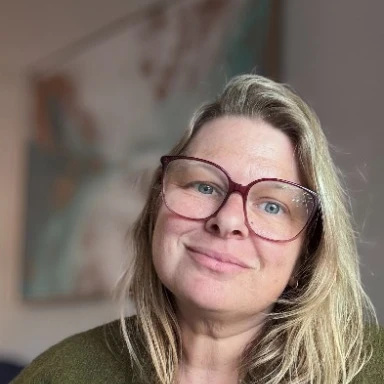
Mara Behan
Registered Psychotherapist (Qualifying)
I help couples and individuals find growth, healing, and stronger connections. Using evidence-based and individualized approaches, I support those struggling with women's health concerns (e.g., pregnancy, postpartum, perimenopause, menopause), relationship concerns (e.g., resentment, infidelity), and life transitions (e.g., separation/divorce, parenting). I offer a free 15-minute consultation!

Sawah Danniels
Certified Canadian Counsellor
I'm a person-centred therapist. I offer an eclectic approach, preferring to find ways to work with who you are, how you exist in the world, and what you hope to achieve. I aim to create a cozy, comfortable and safer space for you to be yourself and get curious about what is coming up for you.

Sarah Perone
Registered Psychotherapist (Qualifying)
I help individuals and couples break painful relationship cycles so they can feel more connected, secure, and confident. I support concerns like recurrent conflict, relationship anxiety (and ROCD), limerence, and resentment. Using an attachment- and evidence-based approach, I offer warm, non-judgmental virtual therapy across Ontario. Book a free 15-minute consultation to get started.

Bonnie Koehn
Registered Clinical Counsellor, Certified Canadian Counsellor
My practice is grounded in a holistic and non-pathologizing approach that is client-centered, trauma-informed, and strengths-based. I offer authentically compassionate and accepting therapy so you can feel free to be yourself. My clients attend virtual therapy from their preferred location- whether that’s the comfort of home, a walk in the park, or over lunch break at work.

Maiya Robbie
Registered Therapeutic Counsellor, Registered Expressive Arts Therapist
My approach is compassionate, curious, resourcing, arts-based and informed by my particular constellation of interests and experiences in the field of psychotherapy. I'm dedicated to helping folks navigate liminal (in-between) spaces of not knowing. Sometimes this looks like stuck-ness, or feeling at a standstill... experiencing grief, overwhelm, depression or anxiety. I'm here to help.
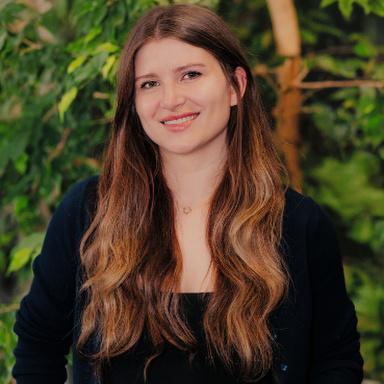
Stacey Squires
Master of Social Work
I’m a queer, neurodivergent therapist who works from a Narrative Therapy lens. I keep things collaborative and grounded in curiosity.Therapy doesn’t have to feel stiff or intimidating. I try to keep it real, with room for humour and honesty. We’ll look at the stories shaping your life, build your sense of agency, and make space for what feels possible and true to you.

Jennifer Wright-Maley
Registered Provisional Psychologist
Hi. I'm Jenn (she/her). I'm dually licensed as a Registered Provisional Psychologist and Registered Midwife. I primarily work with people who are working to become pregnant, pregnant, postpartum, or in the midst of parenting young children. I have honed skills to work with grief and trauma, and enjoy helping clients find healing from difficult experiences.

Annie Szalkai
Registered Psychotherapist
I work with adults from diverse backgrounds, supporting those navigating anxiety, stress, and self-esteem challenges. My approach is client-centred and integrative, drawing from CBT, ACT, EFIT, Solution-Focused Therapy, and more to meet each person’s unique needs.
How do therapists in Grande Prairie, AB compare?
Number of therapists listed
Average years in practice
Currently accepting new clients
Therapists in Grande Prairie, AB who prioritize treating:
How therapists see their clients
Top therapy approaches used in Grande Prairie, AB:
Frequently Asked Questions About Feminist
What is feminist therapy?
Feminist therapy is a therapeutic approach rooted in feminist theory and social justice principles. It understands psychological wellbeing and distress in the context of social, cultural, and political power structures — particularly those related to gender, race, class, sexuality, disability, and other axes of oppression. A central premise is that the personal is political: many individual psychological struggles are not merely individual pathology but responses to unjust social conditions. Feminist therapy aims to be empowering, egalitarian, and attentive to the ways social context shapes psychological experience.
Is feminist therapy only for women?
No — feminist therapy is for anyone, regardless of gender. While it was developed with particular attention to the experiences of women, feminist therapeutic principles apply to all people whose psychological wellbeing is shaped by experiences of oppression, marginalization, or power imbalance. Men, non-binary, and gender-diverse people also benefit from therapy that takes power, privilege, and social context seriously. Feminist therapy is particularly relevant for people navigating intersecting forms of marginalization.
What are the core principles of feminist therapy?
Core principles include the egalitarian therapeutic relationship (working to minimize power imbalances between therapist and client), recognition of sociocultural context (understanding symptoms and distress as shaped by social forces, not just individual psychology), empowerment (helping clients develop agency and voice), consciousness-raising (supporting clients in recognizing how social conditions affect their experience), a commitment to social change, and attention to intersectionality — the ways in which multiple systems of oppression interact in a person's life.
What issues does feminist therapy address?
Feminist therapy addresses trauma and sexual violence, eating disorders and body image in social context, depression and anxiety (including considering the social stressors that contribute to them), relationship issues (including power dynamics), issues related to gender role expectations, experiences of discrimination and harassment, and struggles with identity, voice, and self-worth. It is integrated with many other approaches (CBT, psychodynamic, somatic) rather than being a standalone technique.
How is feminist therapy different from standard therapy?
The key differences are in the lens and relationship structure. Feminist therapists actively consider how social factors (sexism, racism, homophobia, classism) contribute to a client's distress rather than locating problems exclusively within the individual. They work to minimize power differentials in the therapeutic relationship — being more transparent about their orientation, more willing to self-disclose when appropriate, and more collaborative in setting goals. The aim is empowerment rather than adjustment to the status quo.