Positive Psychology Therapists in Port Coquitlam, BC

Verified by Theralist
Verified and in good standing. Last verified Nov 12, 2026
Verification confirms registration only, not fit or quality of care.
How verification worksFIFO Mental Health Therapist | Registered Clinical Counsellor | Licensed School Psychologist
Kelly Love is a registered clinical counsellor and therapist in British Columbia, working online with FIFO professionals on anxiety, depression and stress.
Verified by Theralist
Verified and in good standing. Last verified Nov 11, 2026
Verification confirms registration only, not fit or quality of care.
How verification worksRegistered Psychotherapist (Qualifying)
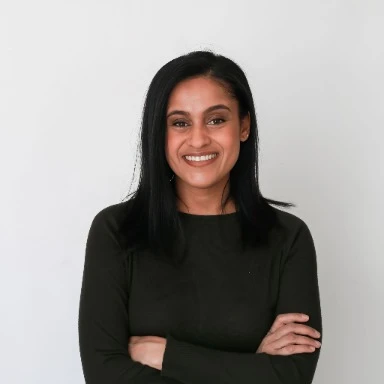
Mandeep Lalli is a registered psychotherapist (qualifying) and online therapist in Ontario, working with BIPOC adults and couples on anxiety and trauma.

Verified by Theralist
Verified and in good standing. Last verified Nov 11, 2026
Verification confirms registration only, not fit or quality of care.
How verification worksRegistered Psychotherapist
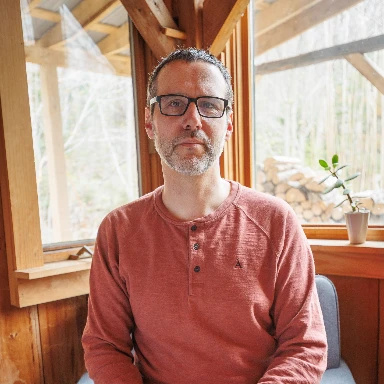
DeRoux Jones is a registered psychotherapist and therapist in Ontario who works with adults and teens on grief, anxiety, depression and divorce.
Verified by Theralist
Verified and in good standing. Last verified Nov 16, 2026
Verification confirms registration only, not fit or quality of care.
How verification worksRegistered Therapeutic Counsellor (RTC)
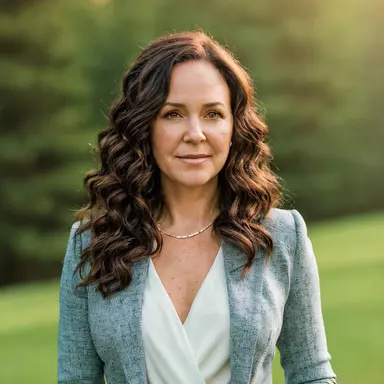
Heron Payne is a registered therapeutic counsellor (RTC) and therapist in British Columbia, working online with adults and elders on trauma and PTSD.
Verified by Theralist
Verified and in good standing. Last verified Nov 17, 2026
Verification confirms registration only, not fit or quality of care.
How verification worksPsychotherapist, Couples Counsellor, Sex Therapist
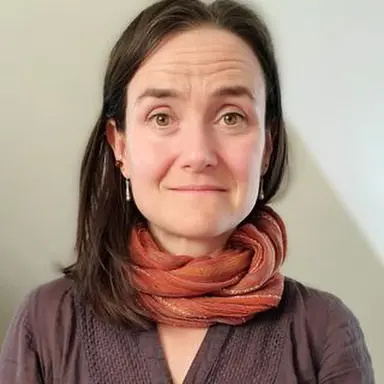
Dr. Teesha Morgan is a psychotherapist and sex therapist in Kelowna, BC, working with couples on infidelity and sexual addiction, in person or online.

Verified by Theralist
Verified and in good standing. Last verified Nov 17, 2026
Verification confirms registration only, not fit or quality of care.
How verification worksRegistered Psychotherapist (Qualifying)
Mara Behan is an online therapist in Ontario and registered psychotherapist (qualifying) focused on infidelity, divorce and infertility.

Verified by Theralist
Verified and in good standing. Last verified Nov 5, 2026
Verification confirms registration only, not fit or quality of care.
How verification worksRegistered Psychotherapist
Mackenzie Fournier, a registered psychotherapist and therapist in Ontario, works online with teens and adults on anxiety and eating disorders using CBT.

Verified by Theralist
Verified and in good standing. Last verified Nov 17, 2026
Verification confirms registration only, not fit or quality of care.
How verification worksRegistered Psychotherapist (Qualifying)
Sarah Perone is a registered psychotherapist (qualifying) and therapist in Ontario who works online with couples on infidelity and codependency.

Verified by Theralist
Verified and in good standing. Last verified Nov 7, 2026
Verification confirms registration only, not fit or quality of care.
How verification worksRegistered Social Worker (RSW)
Hoi Shuen (Kasey) Chung is a registered social worker and therapist in British Columbia. Works online with teens and adults on anxiety and depression.

Verified by Theralist
Verified and in good standing. Last verified Nov 12, 2026
Verification confirms registration only, not fit or quality of care.
How verification worksRegistered Therapeutic Counsellor RTC (Candidate)
Alexandra Kozikova is a registered therapeutic counsellor candidate and therapist in North Vancouver for adults with anxiety, trauma or ADHD.

Verified by Theralist
Verified and in good standing. Last verified Nov 12, 2026
Verification confirms registration only, not fit or quality of care.
How verification worksRegistered Clinical Counsellor & Coach
Andrew Wallace is a registered clinical counsellor and online therapist in British Columbia working with adults on anxiety, stress and addiction.

Verified by Theralist
Verified and in good standing. Last verified Nov 11, 2026
Verification confirms registration only, not fit or quality of care.
How verification worksRegistered Psychotherapist (Qualifying)
Mackenzie Howard is a registered psychotherapist (qualifying) and online therapist in Ontario, helping with anxiety, depression and stress using CBT.
Verified by Theralist
Verified and in good standing. Last verified Nov 5, 2026
Verification confirms registration only, not fit or quality of care.
How verification worksRegistered Psychotherapist, Recreation Therapist
Stacy Kirkbride is an Ontario registered psychotherapist and recreation therapist offering online therapy for chronic illness, chronic pain and anxiety.

Verified by Theralist
Verified and in good standing. Last verified Nov 11, 2026
Verification confirms registration only, not fit or quality of care.
How verification worksRegistered Psychotherapist (Qualifying)
Emily Griffin is a qualifying registered psychotherapist and online therapist in Ontario who helps teens and adults with anxiety and eating disorders.
Port Coquitlam Therapists at a Glance
Number of therapists listed
Average years in practice
Currently accepting new clients
Therapists in Port Coquitlam who prioritize treating:
How therapists see their clients
Top therapy approaches used in Port Coquitlam:
Frequently Asked Questions About Positive Psychology
What is positive psychology and how is it used in therapy?
Positive psychology is the scientific study of what makes life worth living — examining wellbeing, strengths, meaning, engagement, and flourishing rather than focusing exclusively on illness and dysfunction. In therapy, positive psychology principles are applied through Positive Psychotherapy (PPT) and wellbeing-focused interventions that build psychological resources alongside addressing distress. It is not about toxic positivity or ignoring problems; it is about cultivating the positive conditions under which people can heal, grow, and thrive.
How is positive psychology therapy different from traditional approaches?
Traditional therapy tends to focus on identifying and resolving problems — reducing symptoms, challenging distorted thinking, or processing painful experiences. Positive psychology therapy adds a complementary focus: identifying and building on your existing strengths, cultivating positive emotions, developing meaning and purpose, and building relationships that nourish you. Research suggests that building the positive is not just a pleasant add-on but actively accelerates recovery from depression, anxiety, and burnout in ways that deficit-focused therapy alone may not achieve.
What issues is positive psychology well-suited for?
Positive psychology is particularly valuable for depression (where depleted positive affect is central), burnout and recovery from exhaustion, life transitions where identity and meaning are in question, people who are functioning but not flourishing ("languishing"), grief and post-traumatic growth, relationship enrichment, and general personal development. It is often integrated into CBT or other evidence-based approaches rather than used as a standalone therapy, allowing clients to address both symptoms and wellbeing simultaneously.
What does a positive psychology session look like?
Sessions may include identifying and reflecting on your signature character strengths (using validated tools like the VIA Survey), gratitude practices and positive emotion cultivation, exploring what gives your life meaning and purpose, building positive relationships and social connections, reviewing and building on past successes, and setting goals aligned with your values. These are not surface-level exercises — they are delivered in a therapeutic context that holds the full complexity of your experience, including pain, alongside the work of building a life worth living.
Is positive psychology therapy evidence-based?
Yes — positive psychology has a robust research foundation. Positive Psychotherapy (PPT) developed by Martin Seligman and colleagues has demonstrated effectiveness for depression in randomized controlled trials. Specific positive psychology interventions — gratitude exercises, strengths identification, best possible self visualization, and savoring practices — each have independent research support. Many therapists integrate evidence-based positive psychology techniques into broader treatment rather than using it as an exclusive approach.