Gestalt Therapists in Vancouver, BC
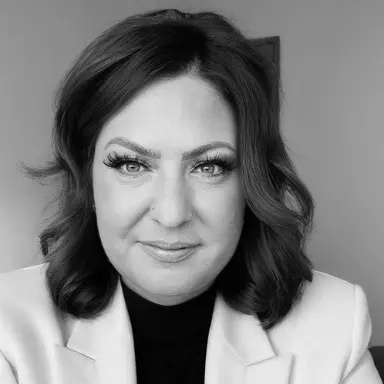
Dr. Erinn Bailey-Sawatzky
Psy.D, MACP, R.C.C., R.T.C, C.T at Country Counselling Services Camrose Alberta
Doctor of Psychology (Psy.D) Master of Arts Counselling Psychology (MACP) Registered Clinical Counsellor Registered Therapeutic Counsellor Counselling Therapist Offering individual and couples therapy, clinical counselling assessment, Insomnia treatment, Menopause support, ADHD and Autism Counselling, and more. For a full listing of services please visit WWW.COUNTRYCOUNSELLING.COM

Sheri Sadowick
Professional Counsellor - B.A., RTCc, CT
West Kootenay based empathetic, trauma-informed counsellor and coach offering online Parent Support and Trauma Recovery Counselling, plus empowering 1-1 coaching. Founder of 'The Move Forward Method' 12-week online program for women healing. Travel the world with me... customized Adventure Travel Coaching! Sheri Lee Wellness: Healing with Intention ~ Growing with Purpose.

Jason Ryant
Clinical Counsellor (MPCC-Provisional)
I work with people and help to untangle what feels overwhelming and bring clarity and relief in all areas of life, including with anger, shame, relationships & disconnection, parenting, stress & anxiety, burnout, grief & loss, life transitions, social media & doom-scrolling, new diagnoses, and climate-related emotions.

Carol D.B. Whaley
Psychotherapist
I am a Vancouver based Psychotherapist in a diverse and inclusive Private Practice offering both in person and virtual sessions. I have over 22 years of extensive clinical experience working with individuals, couples, families and groups. I work with all ages on any issues that are getting in the way of the client experiencing life to its fullest in the very personal way they want to live.
How do therapists in Vancouver, BC compare?
Number of therapists listed
Average years in practice
Currently accepting new clients
Therapists in Vancouver, BC who prioritize treating:
How therapists see their clients
Top therapy approaches used in Vancouver, BC:
Frequently Asked Questions About Gestalt
What is Gestalt therapy?
Gestalt therapy was developed by Fritz Perls, Laura Perls, and Paul Goodman in the 1940s–50s. It is a humanistic, experiential, phenomenological therapy focused on present-moment awareness, the wholeness of experience (the "gestalt" — the whole is more than the sum of its parts), and the quality of contact between person and environment. Gestalt therapy emphasizes the "here and now": what is happening right now, in the body, in relationship, in the session — not interpretation of the past or planning for the future.
What are the core concepts and techniques of Gestalt therapy?
Key Gestalt concepts include figure and ground (what comes into the foreground of awareness), contact and contact boundaries (how we meet and engage with our environment and others), unfinished business (incomplete experiences that demand resolution), and the cycle of experience (how needs arise, are met, and recede). Techniques include the empty chair (speaking to an imagined person or aspect of oneself in an empty chair), exaggeration (amplifying a gesture or feeling to heighten awareness), staying with the feeling, and body awareness. The therapeutic relationship is itself the primary medium of change.
What issues does Gestalt therapy address?
Gestalt therapy addresses anxiety, depression, relationship difficulties, unresolved grief and loss, patterns of avoidance or emotional numbing, low self-esteem, boundary difficulties, somatic symptoms, and the impact of past experiences that remain unresolved ("unfinished business"). It is particularly suited to people who want to develop greater self-awareness and authentic self-expression, those who feel disconnected from their feelings or body, and those navigating significant life transitions.
What does a Gestalt therapy session look like?
Gestalt sessions are more structured around present-moment awareness and experimentation than psychodynamic or CBT sessions. The therapist asks "what are you aware of right now?" and "what do you notice in your body?" The session may involve experiments — invitations to try something new (speaking directly to an imagined person, exaggerating a gesture, changing your posture) and noticing what happens. The therapist is actively present, using their own reactions and the quality of contact in the room as therapeutic material.
Is Gestalt therapy evidence-based?
Gestalt therapy has a smaller formal evidence base than CBT, primarily because it developed outside of the academic research tradition and the manualization required for randomized trials sits awkwardly with its emphasis on individual presence and process. However, meta-analyses of humanistic and experiential therapies (which include Gestalt) show them to be at least as effective as other approaches for many conditions. Specific Gestalt techniques — particularly empty chair — have been studied and show good outcomes for depression and unresolved relationship issues.