Somatic Therapists in Saint John, NB

Verified by Theralist
Verified and in good standing. Last verified Nov 11, 2026
Verification confirms registration only, not fit or quality of care.
How verification worksRegistered Psychotherapist (Qualifying)
Emma Laughlan is a qualifying registered psychotherapist and therapist in Ontario who works online with teens and adults on anxiety, using IFS and DBT.

Verified by Theralist
Verified and in good standing. Last verified Nov 12, 2026
Verification confirms registration only, not fit or quality of care.
How verification worksRSW, MSW
Kali O'Dell is a registered social worker and therapist in New Brunswick offering online help with trauma, ADHD and CBT for teens, adults and elders.

Registered Psychologist/Counselling Therapist/Certified Counsellor
Therapy Collective is a Calgary, Alberta team of therapists offering online and in-person care for anxiety, trauma, ADHD, addiction and EMDR.

Verified by Theralist
Verified and in good standing. Last verified Nov 11, 2026
Verification confirms registration only, not fit or quality of care.
How verification worksRegistered Psychotherapist
Vrushalee Nachar is a registered psychotherapist and online therapist in Ontario, working with relational trauma and couples.

Verified by Theralist
Verified and in good standing. Last verified Nov 11, 2026
Verification confirms registration only, not fit or quality of care.
How verification worksLicensed Counselling Therapist
Nicole Ricketts is a licensed counselling therapist in New Brunswick who works online with adults on anxiety, trauma, grief and caregiver issues.
Verified by Theralist
Verified and in good standing. Last verified Nov 16, 2026
Verification confirms registration only, not fit or quality of care.
How verification worksRegistered Psychologist
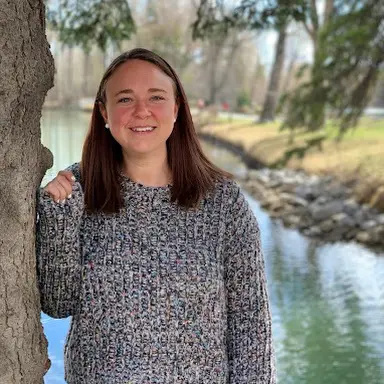
Tiffany Warren is a registered psychologist and therapist in Calgary, Alberta, offering CBT and DBT for anxiety, depression, ADHD and trauma.

Verified by Theralist
Verified and in good standing. Last verified Nov 6, 2026
Verification confirms registration only, not fit or quality of care.
How verification worksRegistered Psychotherapist
Annie Szalkai is a registered psychotherapist and online therapist in Ontario, helping adults with anxiety and depression using CBT and DBT.
Saint John Therapists at a Glance
Number of therapists listed
Average years in practice
Currently accepting new clients
Therapists in Saint John who prioritize treating:
How therapists see their clients
Top therapy approaches used in Saint John:
Frequently Asked Questions About Somatic
What is somatic therapy?
Somatic therapy (also called somatic psychotherapy or body-based therapy) is an approach that recognizes the role of the body in storing and processing emotional experiences, particularly trauma. Rather than focusing exclusively on thoughts and verbal discussion, somatic therapists attend to physical sensations, posture, movement, and breath as a pathway to healing. The term "somatic" comes from the Greek word for body — reflecting the approach's core belief that mind and body are inseparable.
What conditions does somatic therapy help with?
Somatic therapy is particularly used for trauma, PTSD, complex trauma, and conditions where emotions are held in the body as physical symptoms — including chronic pain, tension, fatigue, or digestive issues without a clear medical cause. It is also used for anxiety, depression, grief, stress, and for people who find that talk therapy alone has not been sufficient. Somatic approaches are often combined with other modalities such as EMDR or psychodynamic therapy.
What happens in a somatic therapy session?
Sessions typically begin with verbal discussion, but the therapist will gently guide attention to what is happening in your body — noticing sensations, areas of tension, breath patterns, or impulses to move. Techniques vary by approach and may include grounding exercises, tracking body sensations, mindful movement, breathing practices, or titrating (gently approaching) difficult memories through the body rather than through narrative. Physical touch is not part of somatic psychotherapy in a standard clinical setting.
What are the different types of somatic therapy?
There are several somatic therapy approaches, including Somatic Experiencing (developed by Peter Levine), Sensorimotor Psychotherapy, Hakomi, and the Polyvagal-informed approaches. These share the foundational premise that trauma is stored in the nervous system and body, and that healing involves working with physiological responses — not just thoughts and narrative. When searching for a somatic therapist, it is helpful to ask which specific approach they use and what their training background is.
Is somatic therapy evidence-based?
The evidence base for somatic approaches is growing, with research supporting their use for trauma, PTSD, and complex trauma in particular. Somatic Experiencing has an increasing body of clinical research; Sensorimotor Psychotherapy and other approaches have strong theoretical foundations and emerging empirical support. Somatic therapy is increasingly recognized alongside established trauma treatments such as EMDR and CPT, and is often integrated with these in comprehensive trauma care.