Trauma Focused Therapists in Saint John, NB

Shadan Mosavat
Clinical Counsellor, M.A, CCC.
With over 9 years of clinical experience, I support adults navigating Adult ADHD, Borderline Personality Disorder (BPD), emotional dysregulation, anxiety, and relationship challenges in Vancouver & BC. As a Registered Clinical Counsellor (CCC), I provide a warm, neurodivergent-affirming space to move past chronic shame and build lasting emotional safety.

Emma Laughlan
Registered Psychotherapist (Qualifying)
I work with children (10+), teens, and adults who feel anxious, overwhelmed, or exhausted by the pressure to get everything “right.” You may be stuck in overthinking, people‑pleasing, panic symptoms, health anxiety, or relationship patterns that leave you doubting yourself. On the outside, you might appear high‑achieving and capable. Inside, you feel tense, self‑critical, or never quite enough.
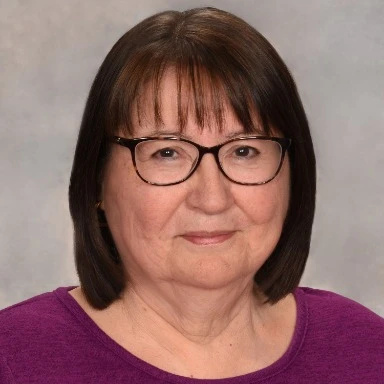
Edna Mitander
Registered Therapeutic Counsellor RTC
What is your understanding of joy and happiness? I'd like to hear your definition. Do you find it difficult to understand the suffering and challenges you face in your life? Do you still experience past trauma and feel like you're going through life on autopilot? Do you question your faith and finding yourself scrolling the internet to find answers?
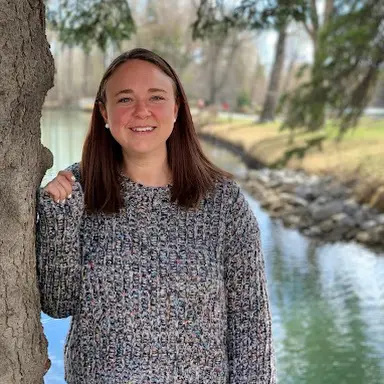
Tiffany Warren
Registered Psychologist
Hello, I’m Tiffany Warren, a Registered Psychologist in Calgary, Alberta, and the founder/director of Calgary Mental Health and Wellness Centre. With 15+ years of experience, I support children, teens, and adults through life’s challenges. As a relationship-based therapist, I believe in the power of the therapist-client connection, fostering empathy, compassion, and unconditional positive regard.

Vrushalee N
Registered Psychotherapist
I’m a Registered Psychotherapist specializing in relational trauma, narcissistic abuse, attachment wounds, identity, self-worth, and emotional regulation. My approach is trauma-informed, integrative, culturally responsive, and deeply collaborative, helping clients move beyond survival patterns toward self-trust, healthier boundaries, and meaningful change.
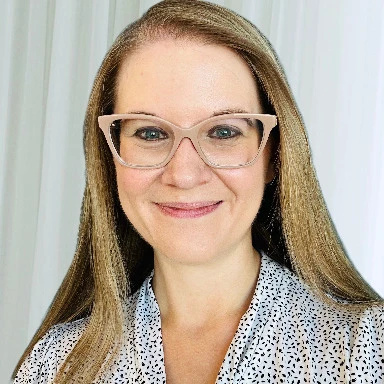
Paige Abbott
Registered Psychologist
Paige specializes in addiction recovery and individual relationship support-her specialties for over 15 years. Sana Psychological is a small team of therapists also led by Paige Abbott. We provide modern, evidence-based in person and virtual therapy services in Calgary and Alberta. We offer support for addiction, OCD, anxiety, trauma, depression, ADHD, relationships, youth, kids and more.

Jaime Sherwood
MA, LCT-C, Professional Member of the CCPA
As an eclectic therapist, I pride myself in finding skills and methods that best suit your goals and needs. Whether that is unlearning behaviours that no longer serve you, exploring past traumatic experiences, or simply adjusting your perspective. You know you best, let's explore that further and see what you may need!

Annie Szalkai
Registered Psychotherapist
I work with adults from diverse backgrounds, supporting those navigating anxiety, stress, and self-esteem challenges. My approach is client-centred and integrative, drawing from CBT, ACT, EFIT, Solution-Focused Therapy, and more to meet each person’s unique needs.

Kali O'Dell
RSW, MSW
I am passionate about supporting people in navigating challenges and building their strengths to facilitate sustainable change.

Chris Graham
Professional Counsellor, MPCC-Provisional designation with the Canadian Professional Counsellors Association (CPCA).
I work with pilots and men in high-pressure careers who are navigating anxiety, burnout, identity challenges, or major life transitions. Many of the people I support are looking for counselling that is practical, confidential, and respectful of their professional context. For pilots concerns about career impact, medical implications often create hesitation around seeking support.

Therapy Collective
Registered Psychologist/Counselling Therapist/Certified Counsellor
We are a group practice with psychologists, CCC's, CT's, and a therapy dog who offer counselling and formal psycho-educational assessments. We cover a broad range of presenting concerns for children, youth, families, couples, and individuals. We offer a variety of approaches as well: EMDR, Cognitive-Hypnotherapy, Art Therapy, Play-Based Therapy, Internal Family Systems, Attachment-Based, Somatic.
How do therapists in Saint John, NB compare?
Number of therapists listed
Average years in practice
Currently accepting new clients
Therapists in Saint John, NB who prioritize treating:
How therapists see their clients
Top therapy approaches used in Saint John, NB:
Frequently Asked Questions About Trauma Focused
What is trauma-focused therapy?
Trauma-focused therapy refers to a family of therapeutic approaches specifically designed to address the psychological impact of traumatic experiences. Rather than only managing symptoms, these approaches help clients directly process traumatic memories, reduce their emotional intensity, and integrate them into a broader understanding of their lives. Trauma-focused therapy is indicated for PTSD, complex trauma, childhood abuse, sexual violence, accidents, grief, and many other trauma-related presentations.
How is trauma-focused therapy different from general therapy?
General therapy often addresses current functioning, coping, and emotions without directly engaging with traumatic memories. Trauma-focused therapy explicitly targets the memories, beliefs, and physiological responses connected to past trauma. It typically follows a phased approach: establishing safety and stabilization, processing traumatic material, and then integration and reconnection with life. This structure is important because jumping to trauma processing before a client has sufficient stability can be destabilizing rather than helpful.
What trauma-focused approaches are most evidence-based?
EMDR (Eye Movement Desensitization and Reprocessing), Cognitive Processing Therapy (CPT), and Prolonged Exposure (PE) therapy have the strongest research evidence for PTSD. Trauma-Focused CBT (TF-CBT) is the leading approach for children and adolescents. Somatic therapies such as Somatic Experiencing and Sensorimotor Psychotherapy, and phase-based models like EMDR-based FLASH and IFS, are also widely used for complex and developmental trauma where standard single-modality approaches may be insufficient.
How do I know if I need trauma-focused therapy rather than general therapy?
Signs that trauma-focused therapy may be particularly beneficial include: intrusive memories or flashbacks, nightmares, emotional numbness or avoidance of trauma-related reminders, hypervigilance, difficulty trusting others, significant shame, or the sense that you have tried general therapy without full resolution of symptoms. An assessment with a trauma-trained therapist can determine whether and what kind of trauma-focused work is appropriate for your presentation.
Is trauma-focused therapy safe?
When conducted by a trained therapist using an established protocol, trauma-focused therapy is safe and effective. Reputable approaches are designed to keep arousal within a manageable "window of tolerance" — avoiding both re-traumatization and emotional shutdown. Stabilization work done before processing ensures that clients have sufficient coping resources. If you feel unsafe at any point in trauma therapy, you can and should communicate this to your therapist, who will adjust the pace and approach.