Self Esteem Therapists in Newfoundland and Labrador
View all cities in Newfoundland and Labrador

Verified by Theralist
Verified and in good standing. Last verified Nov 11, 2026
Verification confirms registration only, not fit or quality of care.
How verification worksRegistered Psychotherapist (Qualifying)
Harleen Gill is a registered psychotherapist (qualifying) and therapist in Ontario offering online help with anxiety, depression and stress.

Verified by Theralist
Verified and in good standing. Last verified Nov 5, 2026
Verification confirms registration only, not fit or quality of care.
How verification worksRegistered Psychotherapist
Cayla Townes is a registered psychotherapist and therapist in Ontario offering online support for anxiety, trauma and depression to adults and elders.

Verified by Theralist
Verified and in good standing. Last verified Nov 9, 2026
Verification confirms registration only, not fit or quality of care.
How verification worksRegistered Psychotherapist (Qualifying)
Michaela DeSimone is a registered psychotherapist (qualifying) and therapist in Oakville, Ontario, working on anxiety, ADHD, relationships and school issues.

Verified by Theralist
Verified and in good standing. Last verified Nov 16, 2026
Verification confirms registration only, not fit or quality of care.
How verification worksRegistered Clinical Counsellor
Leah Dhahan is a registered clinical counsellor and therapist in British Columbia offering online and in-person help with anxiety and relationship issues.

Verified by Theralist
Verified and in good standing. Last verified Nov 16, 2026
Verification confirms registration only, not fit or quality of care.
How verification worksRegistered Therapeutic Counsellor (RTC)
Heron Payne is a registered therapeutic counsellor (RTC) and therapist in British Columbia, working online with adults and elders on trauma and PTSD.
Verified by Theralist
Verified and in good standing. Last verified Nov 12, 2026
Verification confirms registration only, not fit or quality of care.
How verification worksRegistered Therapeutic Counsellor RTC
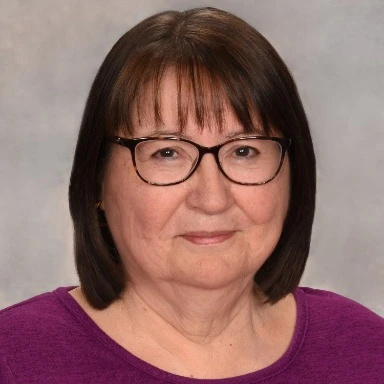
Edna Mitander is a registered therapeutic counsellor (RTC) and therapist in Yukon. Works online with adults and elders on grief and depression.
Verified by Theralist
Verified and in good standing. Last verified Nov 5, 2026
Verification confirms registration only, not fit or quality of care.
How verification worksRegistered Psychotherapist
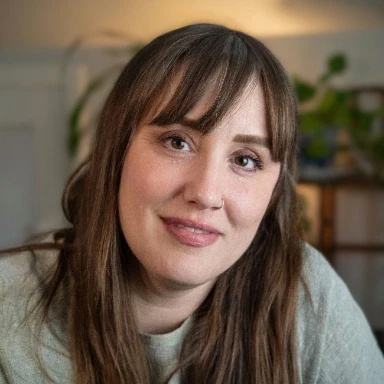
Laura Shaw is a registered psychotherapist and online therapist in Ontario who works with neurodivergent adults on ADHD, anxiety, depression and grief.
Newfoundland and Labrador Therapists at a Glance
Number of therapists listed
Average years in practice
Currently accepting new clients
Therapists in Newfoundland and Labrador who prioritize treating:
How therapists see their clients
Top therapy approaches used in Newfoundland and Labrador:
Frequently Asked Questions About Self Esteem
What causes low self-esteem and can therapy help?
Low self-esteem commonly develops from early experiences such as criticism, neglect, bullying, or trauma, but it can also emerge from chronic stress, relationship difficulties, or mental health conditions like depression. Therapy can help significantly — a trained therapist works with you to identify where negative self-beliefs originated, challenge their accuracy, and build a more grounded, compassionate relationship with yourself.
What therapy approaches are most effective for low self-esteem?
CBT is one of the most evidence-based approaches for low self-esteem, targeting the negative core beliefs and self-critical thought patterns that maintain it. Compassion-Focused Therapy (CFT), Schema Therapy, and Acceptance and Commitment Therapy (ACT) are also widely used and particularly helpful when low self-esteem is deep-rooted or connected to early life experiences. Many therapists integrate these approaches based on your individual history.
Is low self-esteem a mental health diagnosis?
Low self-esteem is not a standalone diagnosis, but it is a significant contributing factor to — and symptom of — many mental health conditions, including depression, anxiety, eating disorders, and personality disorders. You do not need a formal diagnosis to seek therapy for self-esteem concerns. Many people find that addressing self-esteem directly produces improvements across multiple areas of their mental health.
How long does therapy for self-esteem typically take?
The timeline varies depending on how deep-rooted your self-esteem issues are and whether they are connected to trauma or long-standing patterns. Some people notice meaningful shifts within 8–12 sessions of CBT-focused work; others with more complex histories benefit from longer-term therapy over 6–12 months or more. Your therapist will discuss realistic expectations early in treatment.
Can therapy for self-esteem help with other issues too?
Yes — improving self-esteem often has a positive ripple effect. People frequently report reduced anxiety, improved relationships, greater assertiveness, and better ability to handle setbacks as their self-esteem grows. Because low self-esteem underlies so many other challenges, addressing it directly can be one of the most impactful things you do for your overall wellbeing.