Trauma and PTSD Therapists in Newfoundland and Labrador
View all cities in Newfoundland and Labrador
Verified by Theralist
Verified and in good standing. Last verified Nov 5, 2026
Verification confirms registration only, not fit or quality of care.
How verification worksRegistered Psychotherapist
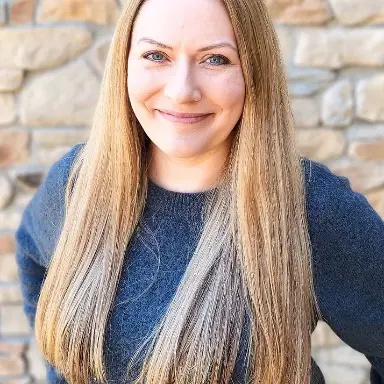
Cayla Townes is a registered psychotherapist and therapist in Ontario offering online support for anxiety, trauma and depression to adults and elders.

Registered Psychologist/Counselling Therapist/Certified Counsellor
Therapy Collective is a Calgary, Alberta team of therapists offering online and in-person care for anxiety, trauma, ADHD, addiction and EMDR.
Verified by Theralist
Verified and in good standing. Last verified Nov 6, 2026
Verification confirms registration only, not fit or quality of care.
How verification worksRegistered Clinical Counsellor, Certified Canadian Counsellor
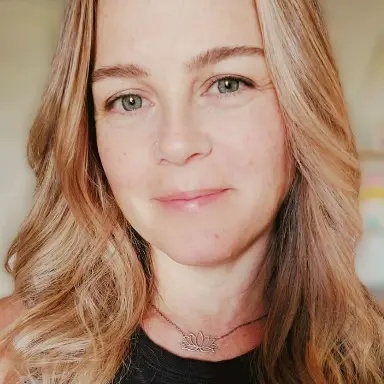
Bonnie Koehn is a registered clinical counsellor and therapist in Saskatchewan who works online with clients on trauma, PTSD and domestic abuse.

Verified by Theralist
Verified and in good standing. Last verified Nov 17, 2026
Verification confirms registration only, not fit or quality of care.
How verification worksOccupational Therapist, Psychotherapist
Sandeep Kaur Marwaha is an occupational therapist and psychotherapist in Toronto who helps adults with anxiety, depression and trauma, in person or online.
Verified by Theralist
Verified and in good standing. Last verified Nov 12, 2026
Verification confirms registration only, not fit or quality of care.
How verification worksMSc, Registered Psychotherapist (Qualifying), Canadian Certified Counsellor (CCC), EMDR-Trained Therapist, Member of Ontario Association of Mental Health Practitioners
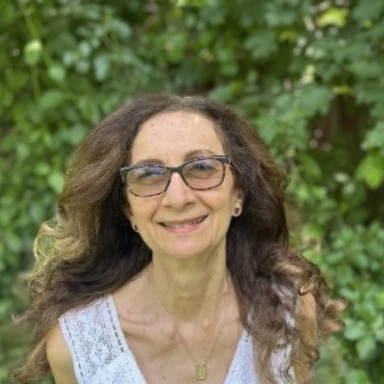
Rose Pinghera is a registered psychotherapist (qualifying) and therapist in Hamilton, Ontario, helping adults and teens with anxiety, depression and trauma.
Verified by Theralist
Verified and in good standing. Last verified Nov 11, 2026
Verification confirms registration only, not fit or quality of care.
How verification worksRegistered Psychotherapist (Qualifying)
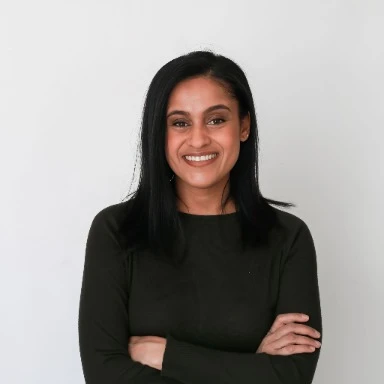
Mandeep Lalli is a registered psychotherapist (qualifying) and online therapist in Ontario, working with BIPOC adults and couples on anxiety and trauma.

Verified by Theralist
Verified and in good standing. Last verified Nov 16, 2026
Verification confirms registration only, not fit or quality of care.
How verification worksRegistered Psychotherapist (Qualifying)
Brittany Peddle is a registered psychotherapist (qualifying) and therapist in Ontario who works online with trauma, anxiety, ADHD and grief.

Verified by Theralist
Verified and in good standing. Last verified Nov 5, 2026
Verification confirms registration only, not fit or quality of care.
How verification worksRegistered Psychotherapist (Qualifying)
Elena Temelkova, a registered psychotherapist (qualifying) and therapist in Ontario, works online with couples and adults on relationship issues and trauma.
Verified by Theralist
Verified and in good standing. Last verified Nov 16, 2026
Verification confirms registration only, not fit or quality of care.
How verification worksRegistered Therapeutic Counsellor (RTC)
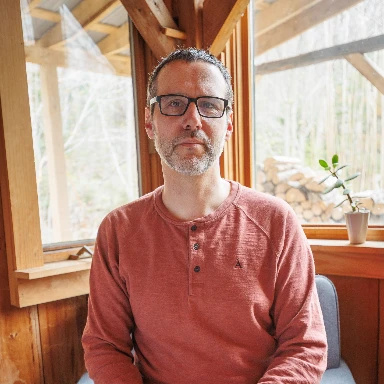
Heron Payne is a registered therapeutic counsellor (RTC) and therapist in British Columbia, working online with adults and elders on trauma and PTSD.
Verified by Theralist
Verified and in good standing. Last verified Nov 5, 2026
Verification confirms registration only, not fit or quality of care.
How verification worksRegistered Clinical Counsellor, Somatic Psychotherapist, EMDR, MA
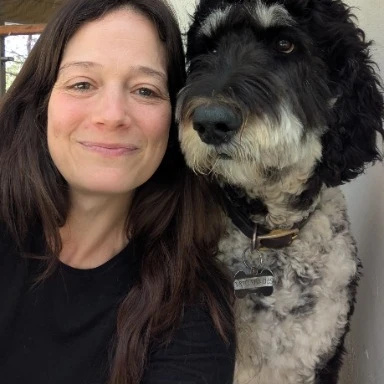
Alexandra Goodall is a registered clinical counsellor and therapist in British Columbia who works with trauma, anxiety and grief, using EMDR.

Verified by Theralist
Verified and in good standing. Last verified Nov 11, 2026
Verification confirms registration only, not fit or quality of care.
How verification worksClinical Counsellor, M.A, RCC, CCC.
Shadan Mosavat is a clinical counsellor (RCC, CCC) and online therapist in British Columbia who works with adults on ADHD, trauma and depression.

Verified by Theralist
Verified and in good standing. Last verified Nov 17, 2026
Verification confirms registration only, not fit or quality of care.
How verification worksCertified Psychotherapist & Clinical Counsellor, CCC, HonMACP, BAPsych
Anna Gwozdz is a certified psychotherapist and therapist in Calgary, Alberta, who works with trauma, PTSD, relationship issues and family conflict.

Verified by Theralist
Verified and in good standing. Last verified Nov 16, 2026
Verification confirms registration only, not fit or quality of care.
How verification worksCounselling Therapist
Kristina Founk is a counselling therapist in Calgary, Alberta, who works with teens and adults on anxiety, phobias, stress and PTSD, in person or online.
Newfoundland and Labrador Therapists at a Glance
Number of therapists listed
Average years in practice
Currently accepting new clients
Therapists in Newfoundland and Labrador who prioritize treating:
How therapists see their clients
Top therapy approaches used in Newfoundland and Labrador:
Frequently Asked Questions About Trauma and PTSD
What is trauma and when does it become PTSD?
Trauma refers to an overwhelming experience — such as abuse, accidents, assault, natural disasters, or witnessing violence — that exceeds a person's capacity to cope. Post-Traumatic Stress Disorder (PTSD) occurs when symptoms such as flashbacks, nightmares, emotional numbing, hypervigilance, and avoidance persist for more than a month and cause significant impairment. PTSD affects an estimated 9–10% of Canadians at some point in their lives.
Which therapy approaches are most effective for trauma and PTSD?
EMDR (Eye Movement Desensitization and Reprocessing), Cognitive Processing Therapy (CPT), and Prolonged Exposure (PE) therapy have the strongest evidence for PTSD. Trauma-focused CBT (TF-CBT) is the leading approach for children and adolescents. Somatic and body-based therapies are increasingly used alongside these approaches for complex or developmental trauma.
What is complex trauma (C-PTSD) and how is it treated?
Complex PTSD arises from repeated, prolonged trauma — often in childhood, such as abuse, neglect, or domestic violence — rather than a single incident. It involves additional features beyond standard PTSD, including difficulties with emotional regulation, identity, and relationships. Treatment is typically longer-term and uses phase-based approaches that build safety and stabilization before directly processing traumatic memories.
Do I have to talk about the traumatic event in therapy?
Not necessarily, and not right away. Effective trauma therapy begins with establishing safety and building coping skills before approaching traumatic memories. EMDR processes trauma without requiring you to narrate it in detail. Your therapist will move at a pace that feels manageable, and you always retain agency over what you address in each session.
Is it safe to start trauma therapy if I am currently in crisis?
Trauma therapy is most effective when you have some degree of stability and safety in your current life. If you are in acute crisis — such as active suicidal ideation, ongoing abuse, or severe dissociation — your therapist will prioritize stabilization and safety planning before any trauma-processing work begins. If you are in immediate danger, contact the 988 Suicide Crisis Helpline or emergency services (911).