Grief Therapists in Dartmouth, NS
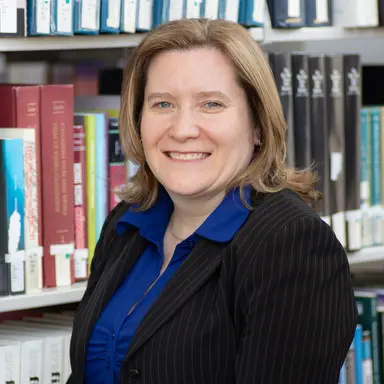
Kristy Brosz, MSW, RCSW
Registered Clinical Social Worker/Mental Health Therapist
*Chronic Illness/Rare Disease Therapist & Trauma/Grief Specialist* Kristy's practice focuses on the intersection between trauma and grief/loss. Kristy has a special interest in the areas of trauma, grief/loss, rare/chronic illness, palliative care, and adoption/foster/kinship care.

Zarifa Andani
MPCC-P, RTC-C
This work isn’t about fixing your parts—it’s about helping you feel more like your whole self again. We can work together to slow down, get curious, and listen deeply. Our internal body wisdom is an integral source of information that speaks more significantly than words. Real change is possible when ALL of you feels safe enough to be seen and supported, just as you are.

Iriny Salib-Sharkawy
Registered Social Worker
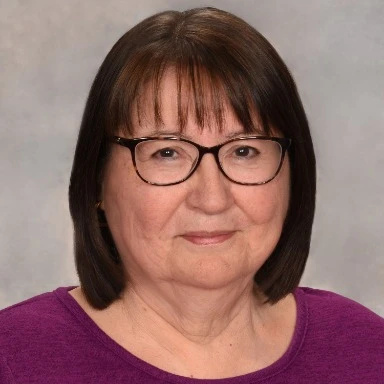
Edna Mitander
Registered Therapeutic Counsellor RTC
What is your understanding of joy and happiness? I'd like to hear your definition. Do you find it difficult to understand the suffering and challenges you face in your life? Do you still experience past trauma and feel like you're going through life on autopilot? Do you question your faith and finding yourself scrolling the internet to find answers?

Aleeza S. Mohamed
Registered Psychologist
At ASM Psychology Services, healing and personal growth start with meaningful conversations. Whether you’re seeking clarity, emotional relief, or a new perspective, therapy can be a powerful step towards living the life you imagine. With over 15 years of experience as a Registered Psychologist, I offer practical skills and strategies to help make daily life more manageable. Beyond that, I can als…

Victoria Flemming
Registered Counselling Therapist – Candidate (RCT-C)
I have always been passionate about self-discovery and would be honoured to work with you if you’re struggling with grief, stress, anxiety, panic, depression, communication, interpersonal relationships, workplace stress, motivation and life changes (divorce, career change, etc.).I will provide you with a safe, non-judgmental space to facilitate connection, fulfillment and healing.

Karina Ramdath (she/her)
Registered Social Worker, Psychotherapist
Karina will honour your skills, values, and experiences to help you improve your personal mental health, overcome trauma, and/or improve relationships. Karina provides effective therapy to help you achieve your wellness goals.
How do therapists in Dartmouth, NS compare?
Number of therapists listed
Average years in practice
Currently accepting new clients
Therapists in Dartmouth, NS who prioritize treating:
How therapists see their clients
Top therapy approaches used in Dartmouth, NS:
Frequently Asked Questions About Grief
What is grief and when does it need professional support?
Grief is the natural emotional response to loss — most commonly the death of a loved one, but also the loss of a relationship, a job, health, or a major life change. While grief is a normal human experience, professional support is helpful when grief is prolonged, intense, or significantly interfering with daily life, relationships, or the ability to function. A therapist offers a safe space to process loss at your own pace, without judgment.
What types of loss can grief therapy help with?
Grief therapy addresses a wide range of losses: the death of a parent, partner, child, sibling, or friend; pregnancy loss and infertility; the end of a significant relationship; loss of identity following illness, injury, or retirement; and disenfranchised grief — losses that may not be widely recognized, such as the death of a pet or estrangement from family. No loss is too small or too large to deserve support.
What is complicated grief and how is it treated?
Complicated grief (also called prolonged grief disorder) occurs when acute grief does not ease over time and persists with significant intensity for six months or more after a loss. It may involve intense longing, difficulty accepting the death, bitterness, or an inability to engage with life. Complicated grief is treated with specialized approaches such as Complicated Grief Treatment (CGT), which combines exposure work with strategies for rebuilding a meaningful life.
What does a grief therapy session look like?
Grief sessions are generally less structured than approaches like CBT — they are guided by what feels most present and necessary for you in each session. You might talk about the person or thing you lost, explore memories, work through difficult emotions like guilt or anger, or discuss what life looks like going forward. Your therapist's role is to witness, support, and gently help you integrate the loss into your ongoing life.
How long does grief counselling take?
There is no set timeline for grief — it is as individual as the relationship that was lost. Some people find 6–12 sessions sufficient to process a loss and find their footing; others benefit from longer-term support, particularly after sudden, traumatic, or multiple losses. Grief does not follow a linear path, and your therapist will meet you where you are rather than expecting you to follow a predictable sequence.