Person-Centered Therapists in Dartmouth, NS
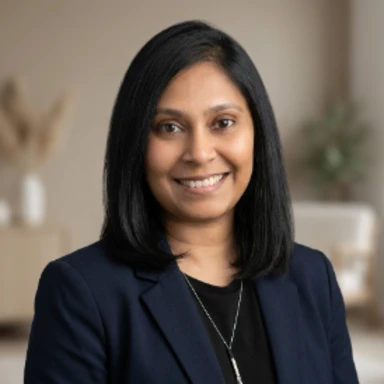
Vrushalee N
Registered Psychotherapist
I’m a Registered Psychotherapist specializing in relational trauma, narcissistic abuse, attachment wounds, identity, self-worth, and emotional regulation. My approach is trauma-informed, integrative, culturally responsive, and deeply collaborative, helping clients move beyond survival patterns toward self-trust, healthier boundaries, and meaningful change.
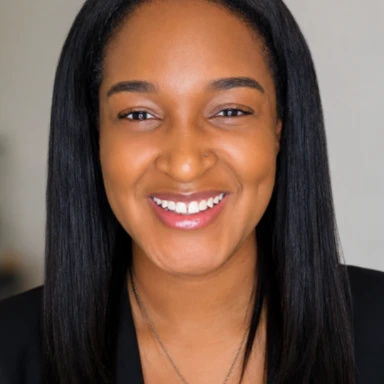
Cherrisse McWilliams
Registered Psychotherapist, qualifying
A safe, accepting, and judgement-free space for individuals to explore change, healing, and growth — through a client-centered, strengths-based approach. Virtual across Canada.

Zarifa Andani
MPCC-P, RTC-C
This work isn’t about fixing your parts—it’s about helping you feel more like your whole self again. We can work together to slow down, get curious, and listen deeply. Our internal body wisdom is an integral source of information that speaks more significantly than words. Real change is possible when ALL of you feels safe enough to be seen and supported, just as you are.

Chris Graham
Professional Counsellor, MPCC-Provisional designation with the Canadian Professional Counsellors Association (CPCA).
I work with pilots and men in high-pressure careers who are navigating anxiety, burnout, identity challenges, or major life transitions. Many of the people I support are looking for counselling that is practical, confidential, and respectful of their professional context. For pilots concerns about career impact, medical implications often create hesitation around seeking support.

Yasmin Ahmad
Registered Psychotherapist
Sisu Therapy offers virtual psychotherapy to adults across Ontario. A calm, collaborative space for anxiety, overwhelm, life transitions, and navigating cultural or family expectations, with care taken to move forward at a manageable pace.
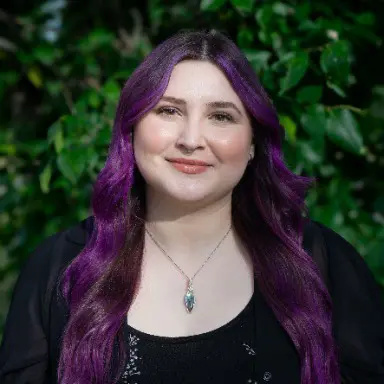
Felicia Bibeau
Registered Provisional Psychologist
You wake up exhausted, struggle to get out of bed, and lie awake at night with racing thoughts. During the day you may doomscroll between commitments just to get through, feeling barely present. Daily tasks feel endless. On the outside you seem capable, but inside you feel empty. Together, we’ll harness your neurodivergent strengths, process trauma, and manage emotions, stress, and burnout.

Matthew Pitts
Registered Psychotherapist
I work with individuals and couples, focusing on areas like anxiety, relationship conflict, career stress, and recurring interpersonal patterns. My approach is collaborative, reflective, compassionate, and direct when helpful. Drawing from experience in family law, finance, marriage, and parenthood, I help clients navigate conflict, stress, and personal growth.
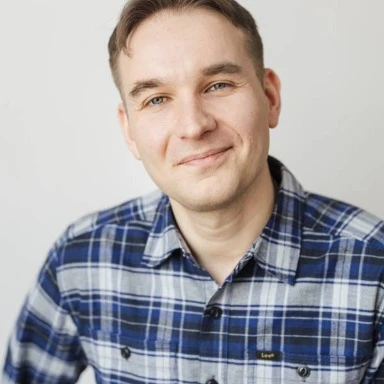
Yaroslav Grechkin
Registered Psychotherapist (Qualifying), Registered Counselling Therapist (Candidate)
You may look like you have it all together, yet quietly struggle with feeling “not good enough.” I help thoughtful, sensitive adults and couples navigate shame, self-doubt, anxiety, perfectionism, people-pleasing, and emotional overwhelm. Together, we’ll uncover the patterns keeping you stuck and build a kinder, more authentic relationship with yourself.

Colombe Mazerolle
Licensed Counselling Therapist - C
Are you struggling with intense emotions that feel overwhelming, ongoing conflict or disconnection in relationships or feeling stuck in survival mode or repeating self-sabotaging patterns? I'm Colombe, therapist at Ember Counselling Therapy, and I help individuals and couples build emotional balance, heal from past pain, and create healthier relationships.
How do therapists in Dartmouth, NS compare?
Number of therapists listed
Average years in practice
Currently accepting new clients
Therapists in Dartmouth, NS who prioritize treating:
How therapists see their clients
Top therapy approaches used in Dartmouth, NS:
Frequently Asked Questions About Person-Centered
What is person-centred therapy?
Person-centred therapy (also called client-centred therapy) was developed by Carl Rogers and is built on the belief that people have an inherent capacity for growth and self-healing when given the right conditions. The therapist provides unconditional positive regard, empathy, and genuineness — creating a non-judgmental space in which clients can explore their experiences, feelings, and sense of self without direction or pressure. The client, not the therapist, sets the pace and focus.
What does a person-centred therapy session look like?
Person-centred sessions are led by you rather than the therapist. There are no homework assignments, structured exercises, or predetermined topics — you bring what feels most important, and the therapist reflects, explores, and responds with empathy and care. The relationship itself is considered the primary vehicle for change. Many clients find this approach deeply accepting — it can be particularly powerful for people who have felt judged, unseen, or unheard in their lives.
What conditions is person-centred therapy suited for?
Person-centred therapy is appropriate for depression, anxiety, grief, low self-esteem, identity concerns, relationship difficulties, and general distress. It is particularly well-suited for people who want to explore their inner world, who feel they lack a compassionate witness in their lives, or who have had negative experiences with more directive approaches. Research supports it as effective for mild to moderate depression and anxiety, and it is widely used as the foundation of many integrative therapeutic styles.
How is person-centred therapy different from CBT or DBT?
CBT and DBT are structured, skills-focused, and often therapist-led — sessions follow frameworks with specific techniques and between-session practice. Person-centred therapy is unstructured, exploratory, and client-led — the therapist provides conditions for growth rather than directing the content or teaching skills. Neither is universally better; they suit different people and goals. Some people thrive in the structure of CBT; others find the openness of person-centred therapy more healing. Many therapists integrate elements of both.
How long does person-centred therapy take?
Person-centred therapy is often open-ended rather than time-limited — it continues as long as it is beneficial, without a predefined number of sessions. Some people work briefly to process a specific situation; others engage in longer-term therapy over years as part of ongoing personal growth. This flexibility is one of the approach's strengths — it adapts to where you are and what you need, rather than fitting your experience into a pre-set treatment arc.