Internal Family Systems (IFS) Therapists in Dartmouth, NS
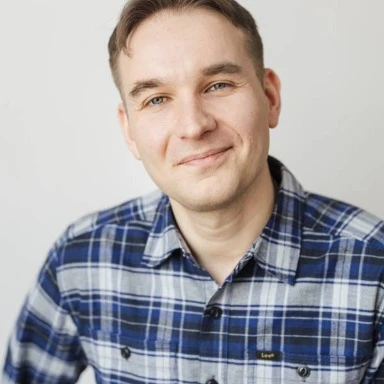
Registered Psychotherapist (Qualifying), Registered Counselling Therapist (Candidate)
You may look like you have it all together, yet quietly struggle with feeling “not good enough.” I help thoughtful, sensitive adults and couples navigate shame, self-doubt, anxiety, perfectionism, people-pleasing, and emotional overwhelm. Together, we’ll uncover the patterns keeping you stuck and build a kinder, more authentic relationship with yourself.

Registered Psychotherapist
I’m a Registered Psychotherapist specializing in relational trauma, narcissistic abuse, attachment wounds, identity, self-worth, and emotional regulation. My approach is trauma-informed, integrative, culturally responsive, and deeply collaborative, helping clients move beyond survival patterns toward self-trust, healthier boundaries, and meaningful change.
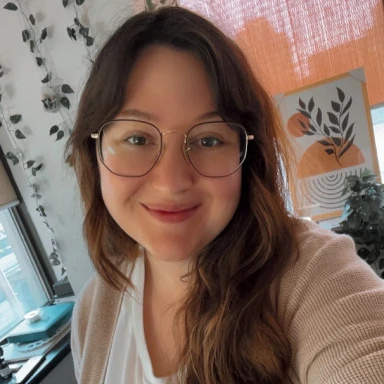
Licensed Counselling Therapist - C
Are you struggling with intense emotions that feel overwhelming, ongoing conflict or disconnection in relationships or feeling stuck in survival mode or repeating self-sabotaging patterns? I'm Colombe, therapist at Ember Counselling Therapy, and I help individuals and couples build emotional balance, heal from past pain, and create healthier relationships.
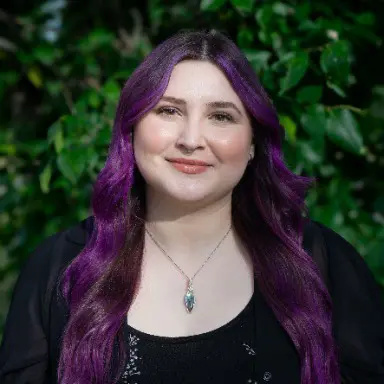
Registered Provisional Psychologist
You wake up exhausted, struggle to get out of bed, and lie awake at night with racing thoughts. During the day you may doomscroll between commitments just to get through, feeling barely present. Daily tasks feel endless. On the outside you seem capable, but inside you feel empty. Together, we’ll harness your neurodivergent strengths, process trauma, and manage emotions, stress, and burnout.

MPCC-P, RTC-C
This work isn’t about fixing your parts—it’s about helping you feel more like your whole self again. We can work together to slow down, get curious, and listen deeply. Our internal body wisdom is an integral source of information that speaks more significantly than words. Real change is possible when ALL of you feels safe enough to be seen and supported, just as you are.

MSW, RSW
Stephanie Campoli Psychotherapy is a trauma-focused practice in Oshawa, Ontario, offering in-person therapy and virtual psychotherapy across Ontario and Nova Scotia. The practice specializes in comprehensive Dialectical Behaviour Therapy (DBT), trauma therapy, and addictions treatment, with particular expertise in supporting people living with Borderline Personality Disorder (BPD) and trauma.
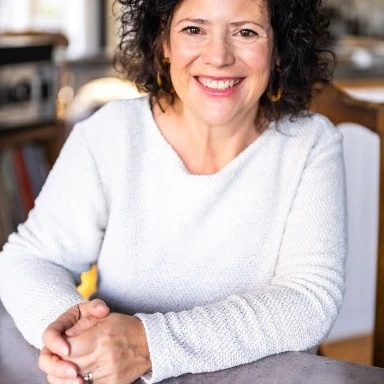
Registered Psychotherapist, Registered Social Worker, Subject Matter Expert
I am Subject Matter Expert in complex, relational trauma, narcissism and high conflict divorce. If you are in a toxic relationship, I can help you navigate the process while learning the powerful boundaries and strategy you need to get to the next chapter in your life feeling confident and empowered. I will help you understand the attachment patterns that are keeping you stuck.

Registered Psychotherapist (Qualifying)
I work with children (10+), teens, and adults who feel anxious, overwhelmed, or exhausted by the pressure to get everything “right.” You may be stuck in overthinking, people‑pleasing, panic symptoms, health anxiety, or relationship patterns that leave you doubting yourself. On the outside, you might appear high‑achieving and capable. Inside, you feel tense, self‑critical, or never quite enough.
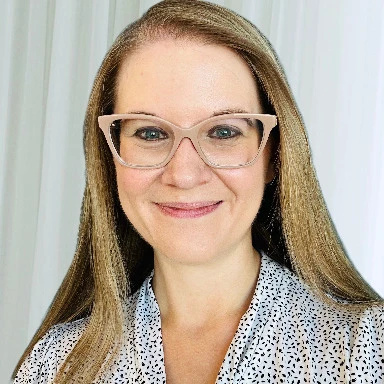
Registered Psychologist
Paige is an experienced therapist focusing on those changing their relationship with alcohol, in sobriety/long-term recovery, as well as high performers navigating perfectionism, control, people pleasing, as well as those looking to improve relationships in individual counselling by exploring boundaries, communication and emotional regulation.

RSW, MSW
I am passionate about supporting people in navigating challenges and building their strengths to facilitate sustainable change.
Dartmouth, NS Therapists at a Glance
Number of therapists listed
Average years in practice
Currently accepting new clients
Therapists in Dartmouth, NS who prioritize treating:
How therapists see their clients
Top therapy approaches used in Dartmouth, NS:
Frequently Asked Questions About Internal Family Systems (IFS)
What is Internal Family Systems (IFS) therapy?
Internal Family Systems (IFS) is a model of psychotherapy developed by Dr. Richard Schwartz that views the mind as made up of multiple "parts" — sub-personalities or inner voices that each carry their own feelings, beliefs, and motivations. IFS also posits the existence of a core "Self" — a calm, compassionate, and curious centre that can lead the inner system toward healing. Therapy involves building a relationship between the Self and various parts, including protective parts and wounded "exile" parts, to create greater inner harmony.
What conditions does IFS therapy help with?
IFS is used for trauma, PTSD, anxiety, depression, eating disorders, addiction, relationship difficulties, chronic pain, and general personal growth. It is particularly valued for complex or developmental trauma, where multiple protective patterns and deeply buried wounds need to be addressed with care. IFS has a growing evidence base and is recognized as an empirically supported treatment for PTSD.
What does an IFS therapy session look like?
IFS sessions typically involve the therapist guiding you into a focused inner state where you can turn attention inward and notice different parts — often felt as emotions, thoughts, physical sensations, or inner voices. You might be invited to "get curious" about a part, ask it questions, and understand its role and fears. The tone is gentle and exploratory rather than confrontational. Many people find IFS deeply validating because it treats all parts of the self as having good intentions, even when their behaviour is problematic.
Is IFS therapy evidence-based?
IFS has a growing body of research and has been recognized as an evidence-based practice by the Substance Abuse and Mental Health Services Administration (SAMHSA) in the United States. Studies show effectiveness for PTSD, depression, rheumatoid arthritis symptom management, and personal resilience. IFS is widely practised and taught across Canada, and many therapists incorporate it alongside other evidence-based approaches.
How long does IFS therapy typically take?
IFS therapy is often a longer-term process, particularly when addressing complex trauma or deeply entrenched protective patterns. Many people work with an IFS therapist for six months to several years, though some use IFS-informed approaches as part of shorter-term therapy for specific concerns. The depth of the work tends to make IFS particularly meaningful for people who want not just symptom relief but genuine inner transformation.