Grief Therapists in Halifax, NS

Verified by Theralist
Verified and in good standing. Last verified Nov 7, 2026
Verification confirms registration only, not fit or quality of care.
How verification worksRegistered Provisional Psychologist
Angela Popovici is a registered provisional psychologist and therapist in Calgary who works with couples and adults on anxiety, depression and grief.

Verified by Theralist
Verified and in good standing. Last verified Nov 7, 2026
Verification confirms registration only, not fit or quality of care.
How verification worksRegistered Social Worker, Psychotherapist
Karina Ramdath is a registered social worker, psychotherapist and online therapist in Alberta, working with trauma, grief and eating disorders using CBT.

Verified by Theralist
Verified and in good standing. Last verified Nov 11, 2026
Verification confirms registration only, not fit or quality of care.
How verification worksRegistered Psychotherapist (Qualifying), MA, BA
Hope Raine is a registered psychotherapist (qualifying) and therapist in Ontario, seeing adults online for anxiety, ADHD and postpartum concerns.

Verified by Theralist
Verified and in good standing. Last verified Nov 16, 2026
Verification confirms registration only, not fit or quality of care.
How verification worksRegistered Counselling Therapist
Victoria Flemming is a registered counselling therapist candidate in Nova Scotia offering online support for anxiety, depression and grief, using CBT and ACT.

Verified by Theralist
Verified and in good standing. Last verified Nov 7, 2026
Verification confirms registration only, not fit or quality of care.
How verification worksRegistered Psychologist
Aleeza S. Mohamed is a registered psychologist and therapist in Calgary, Alberta, who works with women on trauma, PTSD, anxiety and grief.

Verified by Theralist
Verified and in good standing. Last verified Nov 12, 2026
Verification confirms registration only, not fit or quality of care.
How verification worksMPCC-P, RTC-C
Zarifa Andani is an MPCC-P, RTC-C therapist in British Columbia who works online with teens, adults and couples on grief, trauma and PTSD.

Student Therapist
Joshua Dhanaraj is a student therapist in Calgary, Alberta, offering CBT for anxiety and grief to teens, adults and seniors, in person or online.
Verified by Theralist
Verified and in good standing. Last verified Nov 12, 2026
Verification confirms registration only, not fit or quality of care.
How verification worksRegistered Therapeutic Counsellor RTC
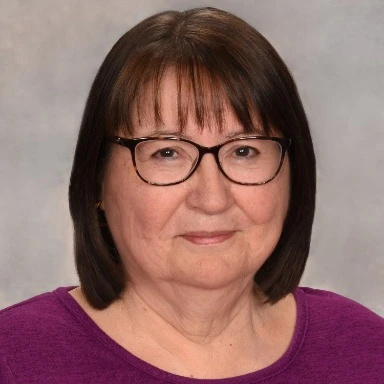
Edna Mitander is a registered therapeutic counsellor (RTC) and therapist in Yukon. Works online with adults and elders on grief and depression.

Verified by Theralist
Verified and in good standing. Last verified Nov 6, 2026
Verification confirms registration only, not fit or quality of care.
How verification worksRegistered Clinical Social Worker/Mental Health Therapist, MSW, RCSW
Kristy Brosz is a registered clinical social worker and therapist in Alberta, offering online sessions for trauma, grief and chronic illness.
Halifax Therapists at a Glance
Number of therapists listed
Average years in practice
Currently accepting new clients
Therapists in Halifax who prioritize treating:
How therapists see their clients
Top therapy approaches used in Halifax:
Frequently Asked Questions About Grief
What is grief and when does it need professional support?
Grief is the natural emotional response to loss — most commonly the death of a loved one, but also the loss of a relationship, a job, health, or a major life change. While grief is a normal human experience, professional support is helpful when grief is prolonged, intense, or significantly interfering with daily life, relationships, or the ability to function. A therapist offers a safe space to process loss at your own pace, without judgment.
What types of loss can grief therapy help with?
Grief therapy addresses a wide range of losses: the death of a parent, partner, child, sibling, or friend; pregnancy loss and infertility; the end of a significant relationship; loss of identity following illness, injury, or retirement; and disenfranchised grief — losses that may not be widely recognized, such as the death of a pet or estrangement from family. No loss is too small or too large to deserve support.
What is complicated grief and how is it treated?
Complicated grief (also called prolonged grief disorder) occurs when acute grief does not ease over time and persists with significant intensity for six months or more after a loss. It may involve intense longing, difficulty accepting the death, bitterness, or an inability to engage with life. Complicated grief is treated with specialized approaches such as Complicated Grief Treatment (CGT), which combines exposure work with strategies for rebuilding a meaningful life.
What does a grief therapy session look like?
Grief sessions are generally less structured than approaches like CBT — they are guided by what feels most present and necessary for you in each session. You might talk about the person or thing you lost, explore memories, work through difficult emotions like guilt or anger, or discuss what life looks like going forward. Your therapist's role is to witness, support, and gently help you integrate the loss into your ongoing life.
How long does grief counselling take?
There is no set timeline for grief — it is as individual as the relationship that was lost. Some people find 6–12 sessions sufficient to process a loss and find their footing; others benefit from longer-term support, particularly after sudden, traumatic, or multiple losses. Grief does not follow a linear path, and your therapist will meet you where you are rather than expecting you to follow a predictable sequence.