Couples Counselling Therapists in Halifax, NS

Zarifa Andani
MPCC-P, RTC-C
This work isn’t about fixing your parts—it’s about helping you feel more like your whole self again. We can work together to slow down, get curious, and listen deeply. Our internal body wisdom is an integral source of information that speaks more significantly than words. Real change is possible when ALL of you feels safe enough to be seen and supported, just as you are.
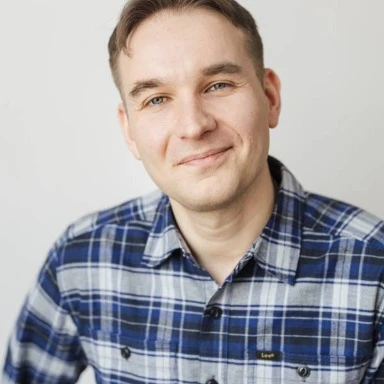
Yaroslav Grechkin
Registered Psychotherapist (Qualifying), Registered Counselling Therapist (Candidate)
You may look like you have it all together, yet quietly struggle with feeling “not good enough.” I help thoughtful, sensitive adults and couples navigate shame, self-doubt, anxiety, perfectionism, people-pleasing, and emotional overwhelm. Together, we’ll uncover the patterns keeping you stuck and build a kinder, more authentic relationship with yourself.

Matthew Pitts
Registered Psychotherapist
I work with individuals and couples, focusing on areas like anxiety, relationship conflict, career stress, and recurring interpersonal patterns. My approach is collaborative, reflective, compassionate, and direct when helpful. Drawing from experience in family law, finance, marriage, and parenthood, I help clients navigate conflict, stress, and personal growth.
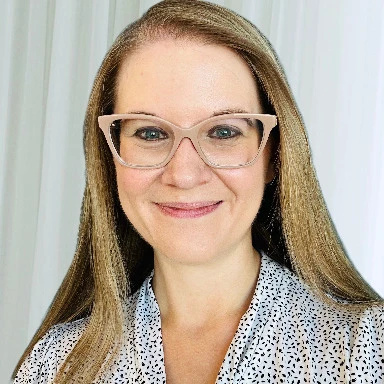
Paige Abbott
Registered Psychologist
Paige specializes in addiction recovery and individual relationship support-her specialties for over 15 years. Sana Psychological is a small team of therapists also led by Paige Abbott. We provide modern, evidence-based in person and virtual therapy services in Calgary and Alberta. We offer support for addiction, OCD, anxiety, trauma, depression, ADHD, relationships, youth, kids and more.
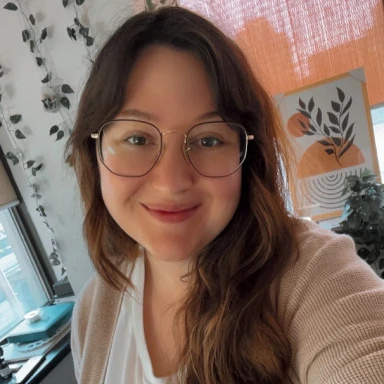
Colombe Mazerolle
Licensed Counselling Therapist - C
Are you struggling with intense emotions that feel overwhelming, ongoing conflict or disconnection in relationships or feeling stuck in survival mode or repeating self-sabotaging patterns? I'm Colombe, therapist at Ember Counselling Therapy, and I help individuals and couples build emotional balance, heal from past pain, and create healthier relationships.
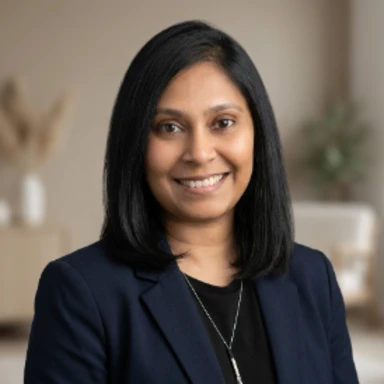
Vrushalee N
Registered Psychotherapist
I’m a Registered Psychotherapist specializing in relational trauma, narcissistic abuse, attachment wounds, identity, self-worth, and emotional regulation. My approach is trauma-informed, integrative, culturally responsive, and deeply collaborative, helping clients move beyond survival patterns toward self-trust, healthier boundaries, and meaningful change.
How do therapists in Halifax, NS compare?
Number of therapists listed
Average years in practice
Currently accepting new clients
Therapists in Halifax, NS who prioritize treating:
How therapists see their clients
Top therapy approaches used in Halifax, NS:
Frequently Asked Questions About Couples Counselling
What is couples counselling and when should we consider it?
Couples counselling is a form of therapy where both partners work with a trained therapist to improve communication, resolve conflict, rebuild trust, and strengthen connection. It is helpful at many stages — not just in crisis. Couples often benefit from counselling when facing recurring arguments, emotional distance, major life transitions, infidelity, or simply wanting to deepen their relationship before problems develop.
What happens in a couples counselling session?
Sessions typically begin with both partners sharing their perspectives on the relationship's challenges. The therapist helps identify unhelpful communication patterns, facilitates productive dialogue, and teaches concrete skills for navigating conflict and reconnecting emotionally. Some therapists also meet with each partner individually at times to understand each person's experience more fully. Sessions are confidential and structured to give both partners a fair, balanced space.
Which therapy approaches are used in couples counselling?
The Gottman Method and Emotionally Focused Therapy (EFT) are among the most evidence-based approaches for couples, with strong research supporting their effectiveness. The Gottman Method focuses on building friendship, managing conflict, and creating shared meaning; EFT focuses on reshaping attachment patterns and deepening emotional bonds. Many therapists draw on both, as well as communication-focused CBT, depending on the couple's needs.
Can couples counselling save a relationship that is in serious trouble?
Research shows that couples therapy is effective for many couples, even those in significant distress — though outcomes depend on factors including how long problems have been present and both partners' commitment to the process. Studies on EFT show that around 70–75% of couples move from distress to recovery. Counselling can also help couples navigate a thoughtful separation when that is the best path forward.
How many couples counselling sessions will we need?
Most couples see meaningful progress within 8–20 sessions, though this varies based on the nature and duration of the issues. Some couples benefit from shorter, focused work on a specific challenge; others with more entrenched patterns or past trauma may work with a therapist over a longer period. Your therapist will discuss goals and timelines with you early in the process.