Sports Performance Therapists in Aurora, ON

Alexia Wensing
Registered Psychotherapist, HBA, MACP, RP
Accepting NEW Clients – Do you find feeling stuck, anxious, or wishing you had more confidence or self-esteem? Are you interested in understanding yourself or your choices and want to dig into the roots of why you feel the way you do? Are you struggling to find your "why" or to find meaning in what you're doing? Are you an athlete feeling held back or blocked? Are you interested in looking at...

Anastasia Berezowsky
Registered Psychotherapist (Qualifying)
My practice blends talk therapy and structured accountability to help you find balance and resilience—especially when life feels demanding and you need some direction. With a background in Kinesiology and Psychology, I take a whole-person approach that connects mind and body. I support clients who feel misaligned and need the space to untangle themselves from the stressors of every day.
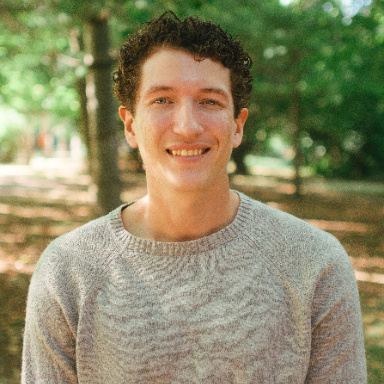
Parker Willis
Registered Psychotherapist (Qualifying)
Feeling disconnected from yourself can make every challenge feel heavier. I work with adults, young men, school‑aged children, and teens to understand their inner world, navigate anxiety and stress, and reconnect with who they are becoming. Reach out to book a 15‑minute consultation.

Lauren Adam
Registered Psychotherapist (Qualifying)
I work with children, adolescents, & young adults who are navigating anxiety, family conflict, addiction challenges, and trauma. I also have a special interest in supporting elite athletes, retired athletes & high achievers to navigate perfectionism and performance anxiety. Sessions with me are relaxed, engaging, and even fun!

Emma Laughlan
Registered Psychotherapist (Qualifying)
I work with children (10+), teens, and adults who feel anxious, overwhelmed, or exhausted by the pressure to get everything “right.” You may be stuck in overthinking, people‑pleasing, panic symptoms, health anxiety, or relationship patterns that leave you doubting yourself. On the outside, you might appear high‑achieving and capable. Inside, you feel tense, self‑critical, or never quite enough.
How do therapists in Aurora, ON compare?
Number of therapists listed
Average years in practice
Currently accepting new clients
Therapists in Aurora, ON who prioritize treating:
How therapists see their clients
Top therapy approaches used in Aurora, ON:
Frequently Asked Questions About Sports Performance
What is sport psychology?
Sport psychology is a specialty that applies psychological principles to enhance athletic performance, support mental health in athletes, and address the unique challenges of sport participation — including performance anxiety, injury recovery, identity transitions, and the psychological demands of high-performance environments. Sport psychologists work with athletes at all levels, from recreational participants to Olympic and professional competitors, and with coaches, teams, and organizations.
What issues does sport psychology address?
Sport psychology addresses performance anxiety and "choking," focus and concentration, confidence and self-belief, motivation and goal-setting, mental recovery after injury or poor performance, the yips (sudden loss of a fine motor skill in sport), team dynamics and communication, coping with selection, loss, and career transitions, and the mental health challenges that are particularly prevalent in elite sport — including depression, eating disorders, burnout, and substance use. Mental wellbeing and performance enhancement are both legitimate goals.
How does sport psychology differ from mental performance coaching?
Sport psychologists are licensed mental health professionals with graduate training in both psychology and sport science — they can address both performance and mental health concerns. Mental performance consultants or coaches may have sport science training but are not licensed mental health practitioners and focus specifically on performance rather than clinical concerns. The distinction matters when the athlete has significant mental health needs — anxiety, depression, trauma, or eating disorders — that require clinical expertise.
Who benefits from sport psychology?
Any athlete can benefit — sport psychology is not only for elite performers. Recreational athletes dealing with performance anxiety, youth athletes struggling with pressure or burnout, injured athletes navigating recovery, masters athletes managing age-related changes, and those facing sport identity transitions (retirement, being cut, injury-forced retirement) all benefit from sport psychology. Parents navigating youth sport culture and coaches developing their psychological skills are also clients.
What techniques do sport psychologists use?
Common techniques include mental imagery and visualization (mentally rehearsing performance), arousal control strategies (breathing, progressive muscle relaxation, activation techniques), self-talk and cognitive restructuring, concentration and focus training (cue words, pre-performance routines), goal-setting frameworks, mindfulness applied to performance, and acceptance-based approaches (ACT for Sport). For athletes with clinical concerns, the full range of evidence-based therapeutic approaches is applied within the sport context.