Infertility Therapists in Niagara Falls, ON
Verified by Theralist
Verified and in good standing. Last verified Nov 17, 2026
Verification confirms registration only, not fit or quality of care.
How verification worksPsychologist
Natalina Salmaso is a psychologist and therapist in Ontario working online with teens, adults and couples on anxiety, depression and sex therapy.
Verified by Theralist
Verified and in good standing. Last verified Nov 11, 2026
Verification confirms registration only, not fit or quality of care.
How verification worksRegistered Psychotherapist
Melanie Pine is a registered psychotherapist and therapist in Niagara Falls, Ontario, helping couples and adults with relationships, trauma and insomnia.
Verified by Theralist
Verified and in good standing. Last verified Nov 11, 2026
Verification confirms registration only, not fit or quality of care.
How verification worksRegistered Psychotherapist (Qualifying)
Carolyn Holmes is a registered psychotherapist (qualifying) and therapist in Ontario who sees teens, adults and seniors online for ADHD, anxiety and grief.

Verified by Theralist
Verified and in good standing. Last verified Nov 12, 2026
Verification confirms registration only, not fit or quality of care.
How verification worksRegistered Psychotherapist
Katelyn Matias is a registered psychotherapist and online therapist in Mississauga, Ontario, who works with couples on attachment and trauma.

Verified by Theralist
Verified and in good standing. Last verified Nov 17, 2026
Verification confirms registration only, not fit or quality of care.
How verification worksRegistered Psychotherapist (Qualifying)
Mara Behan is an online therapist in Ontario and registered psychotherapist (qualifying) focused on infidelity, divorce and infertility.
Verified by Theralist
Verified and in good standing. Last verified Nov 11, 2026
Verification confirms registration only, not fit or quality of care.
How verification worksRegistered Psychotherapist
Sydney Tricand is a registered psychotherapist and therapist in Guelph, Ontario, helping adults with anxiety, trauma, and pregnancy-related concerns.

Verified by Theralist
Verified and in good standing. Last verified Nov 7, 2026
Verification confirms registration only, not fit or quality of care.
How verification worksRegistered Psychotherapist (RP)
Sarah Flanagan is a registered psychotherapist (RP) and online therapist in Ontario offering support for anxiety, depression, grief and relationship issues.

Verified by Theralist
Verified and in good standing. Last verified Nov 11, 2026
Verification confirms registration only, not fit or quality of care.
How verification worksMA, RSSW, CC-PMH
Rae Jardine is a registered social service worker and therapist in Toronto offering trauma-focused work, including with 2SLGBTQI+ clients.
Verified by Theralist
Verified and in good standing. Last verified Nov 17, 2026
Verification confirms registration only, not fit or quality of care.
How verification worksRegistered Psychotherapist | Individual & Couples Therapist
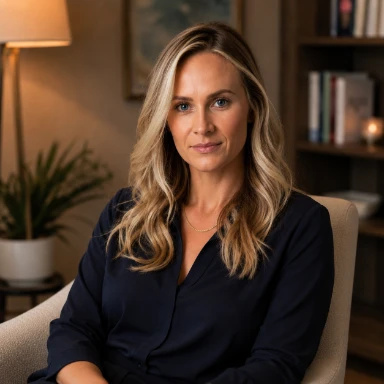
Laura Moore is a registered psychotherapist and couples therapist in Ontario, offering online sex therapy and help with infidelity and relationship issues.
Niagara Falls Therapists at a Glance
Number of therapists listed
Average years in practice
Currently accepting new clients
Therapists in Niagara Falls who prioritize treating:
How therapists see their clients
Top therapy approaches used in Niagara Falls:
Frequently Asked Questions About Infertility
How can therapy help when dealing with infertility?
Infertility is a profound and often isolating experience that affects mental health in significant ways. Therapy provides a space to grieve the losses involved — of expected timelines, biological children, or pregnancies — while developing coping strategies for the emotional demands of fertility treatment, navigating relationship strain, and making difficult decisions. Research shows that psychological support during infertility treatment improves emotional wellbeing and, in some studies, treatment outcomes.
What emotions are common when facing infertility?
People facing infertility commonly experience grief, anger, guilt, shame, anxiety, depression, and a profound sense of loss of control. It is also common to feel isolated — especially when friends and family are having children easily — and to feel that others do not fully understand the weight of the experience. Ambivalence about continuing treatment, relationship tension between partners, and existential questions about identity and the future are also typical. All of these are valid responses to a genuinely difficult situation.
Should both partners attend infertility counselling?
Both individual and couples counselling are valuable, and the best format depends on your situation. Partners often experience infertility differently — one may want to keep trying while the other is reaching a limit; one may grieve openly while the other copes by researching options. Couples therapy helps partners stay connected and communicate through these differences. Individual therapy provides space that is entirely your own. Many people benefit from both simultaneously.
When is the right time to seek therapy during fertility treatment?
There is no wrong time — support can be valuable at any point. Many people seek therapy after a failed cycle, a miscarriage, or a difficult diagnosis. Others come before treatment begins to build coping strategies proactively. If you are experiencing significant depression or anxiety, relationship strain, or finding that infertility is consuming your life, therapy is warranted sooner rather than later. You do not need to reach a breaking point before seeking support.
Can therapy help after infertility, even if we eventually have children?
Yes — the grief and trauma of the infertility journey does not automatically resolve when a child arrives, whether through birth, adoption, or other paths to parenthood. Pregnancy after infertility is often marked by anxiety rather than joy. The losses experienced along the way — miscarriages, failed treatments, grief over biological children not born — may still need to be processed. Therapy supports the full arc of the journey, not just the moments of crisis within it.