Narrative Therapists in Niagara Falls, ON

Verified by Theralist
Verified and in good standing. Last verified Nov 16, 2026
Verification confirms registration only, not fit or quality of care.
How verification worksRegistered Psychotherapist, RP, MACP, BA (she, her)
Ashley Toogood is a registered psychotherapist and online therapist in Ontario offering CBT and DBT for anxiety, depression and insomnia.
Verified by Theralist
Verified and in good standing. Last verified Nov 17, 2026
Verification confirms registration only, not fit or quality of care.
How verification worksRegistered Psychotherapist
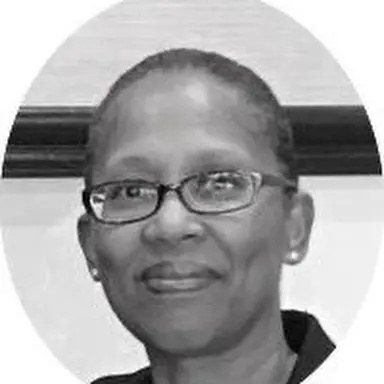
Charmaine McIntosh is a registered psychotherapist and online therapist in Ontario who works with teens and adults on anxiety, depression and stress.

Verified by Theralist
Verified and in good standing. Last verified Nov 11, 2026
Verification confirms registration only, not fit or quality of care.
How verification worksRegistered Psychotherapist, Canadian Certified Counsellor (CCC)
Lylla Goheen is a registered psychotherapist and therapist in Etobicoke, offering couples therapy, sex therapy and anxiety support, in person or online.

Verified by Theralist
Verified and in good standing. Last verified Nov 11, 2026
Verification confirms registration only, not fit or quality of care.
How verification worksRegistered Psychotherapist
Katherine McNichol is a registered psychotherapist and online therapist in Ontario, helping couples, teens and adults with anxiety, depression and trauma.

Verified by Theralist
Verified and in good standing. Last verified Nov 11, 2026
Verification confirms registration only, not fit or quality of care.
How verification worksRegistered Psychotherapist (Qualifying)
Kai Smith is a registered psychotherapist (qualifying) and online therapist in Ontario offering couples therapy, sex therapy and trauma work.

Verified by Theralist
Verified and in good standing. Last verified Nov 11, 2026
Verification confirms registration only, not fit or quality of care.
How verification worksRegistered Psychotherapist
Natascha Piciga is a registered psychotherapist and online therapist in Ontario working with teens and families on anxiety, ADHD and depression.

Verified by Theralist
Verified and in good standing. Last verified Nov 8, 2026
Verification confirms registration only, not fit or quality of care.
How verification worksRegistered Psychotherapist (Qualifying)
Katherine Koplov is a registered psychotherapist (qualifying) and therapist in Mississauga, Ontario, for anxiety and relationships in English and Russian.
Verified by Theralist
Verified and in good standing. Last verified Nov 5, 2026
Verification confirms registration only, not fit or quality of care.
How verification worksRegistered Psychotherapist (Qualifying)
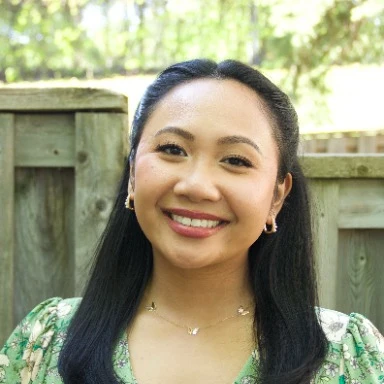
Arianne Nicole Palmares is a registered psychotherapist (qualifying) and therapist in Vaughan, Ontario, working with Filipino clients in English or Tagalog.

Verified by Theralist
Verified and in good standing. Last verified Nov 11, 2026
Verification confirms registration only, not fit or quality of care.
How verification worksRegistered Psychotherapist (Qualifying)
Shannon McNally is a registered psychotherapist (qualifying) and therapist in Ontario offering online CBT for anxiety, depression and ADHD.

Verified by Theralist
Verified and in good standing. Last verified Nov 9, 2026
Verification confirms registration only, not fit or quality of care.
How verification worksRegistered Psychotherapist (Qualifying)
Caitlin Kemmett is a registered psychotherapist (qualifying) and therapist in Ottawa, working with couples and individuals on ADHD and relationship issues.
Verified by Theralist
Verified and in good standing. Last verified Nov 8, 2026
Verification confirms registration only, not fit or quality of care.
How verification worksRegistered Psychotherapist
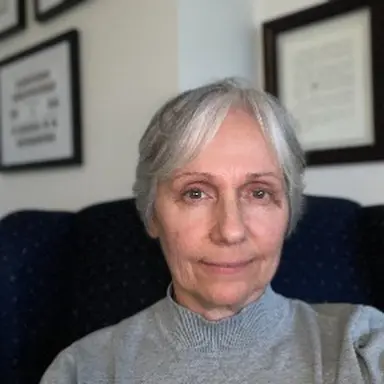
Lisa Dolson is a registered psychotherapist and therapist in Hamilton, Ontario, who works on personality disorders, stress and insomnia using DBT.

Verified by Theralist
Verified and in good standing. Last verified Nov 11, 2026
Verification confirms registration only, not fit or quality of care.
How verification worksRegistered Psychotherapist, M Psy, MSc, RP
Paris Moaf is a registered psychotherapist and therapist in Ontario who sees couples and families online for anxiety, depression and anger.

Verified by Theralist
Verified and in good standing. Last verified Nov 11, 2026
Verification confirms registration only, not fit or quality of care.
How verification worksRegistered Psychotherapist
Mehek Somani is a registered psychotherapist and therapist in Ontario who works online with adults from BIPOC and immigrant communities.
Verified by Theralist
Verified and in good standing. Last verified Nov 11, 2026
Verification confirms registration only, not fit or quality of care.
How verification worksRegistered Psychotherapist
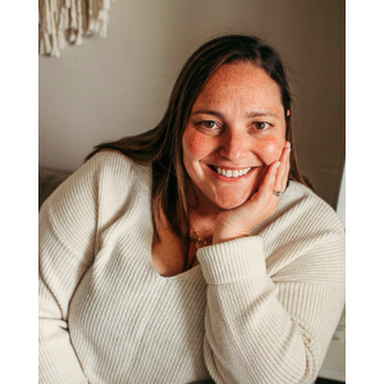
Sydney Tricand is a registered psychotherapist and therapist in Guelph, Ontario, helping adults with anxiety, trauma, and pregnancy-related concerns.

Verified by Theralist
Verified and in good standing. Last verified Nov 11, 2026
Verification confirms registration only, not fit or quality of care.
How verification worksRegistered Psychotherapist (Qualifying)
Teodora Kostadinovska, a registered psychotherapist (qualifying) and therapist in Kitchener, Ontario, works with couples and teens on anxiety.

Therapist Intern
Mala Dorai is a therapist intern in Vaughan, Ontario, offering CBT, DBT and ACT for adults with anxiety, depression, grief or trauma, in person or online.
Verified by Theralist
Verified and in good standing. Last verified Nov 11, 2026
Verification confirms registration only, not fit or quality of care.
How verification worksRegistered Psychotherapist (Qualifying)
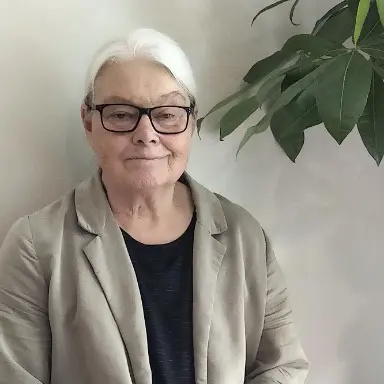
Fran Isaacs is a registered psychotherapist (qualifying) and therapist in Ontario offering online anxiety therapy for adults and older adults, using CBT.

Verified by Theralist
Verified and in good standing. Last verified Nov 11, 2026
Verification confirms registration only, not fit or quality of care.
How verification worksRegistered Provisional Psychologist
Christina Hong is a registered provisional psychologist and therapist in Calgary, Alberta, working online and in person on anxiety, grief and trauma.

Verified by Theralist
Verified and in good standing. Last verified Nov 5, 2026
Verification confirms registration only, not fit or quality of care.
How verification worksRegistered Psychotherapist, Sandalwood Psychotherapy
Allison Mundle is a registered psychotherapist and therapist in Etobicoke, Ontario, working with women on anxiety, codependency and trauma.

Verified by Theralist
Verified and in good standing. Last verified Nov 6, 2026
Verification confirms registration only, not fit or quality of care.
How verification worksRegistered Psychotherapist (Qualifying), MACP, EMDR, ADHD-CCSP, BA
Erin Ibrahim is a registered psychotherapist (qualifying) and online therapist in Ontario, helping teens, adults and couples with anxiety, trauma and ADHD.
Niagara Falls Therapists at a Glance
Number of therapists listed
Average years in practice
Currently accepting new clients
Therapists in Niagara Falls who prioritize treating:
How therapists see their clients
Top therapy approaches used in Niagara Falls:
Frequently Asked Questions About Narrative
What is narrative therapy?
Narrative therapy, developed by Michael White and David Epston, is based on the idea that people understand their lives through stories — and that the stories we tell about ourselves profoundly shape our identity, our possibilities, and our wellbeing. When life stories become dominated by problems, loss, and negative self-description ("I am depressed," "I am a failure"), narrative therapy helps people examine those stories, notice their limits, and begin writing richer, more empowering accounts of who they are. The approach is deeply respectful of the person and explicitly attentive to social and political context.
What is "externalizing" in narrative therapy?
Externalizing is one of narrative therapy's core practices: it separates the problem from the person. Rather than "I am anxious," narrative therapy might speak of "Anxiety" as something that visits you, has an influence on you, and that you have a relationship with — rather than something you are. This linguistic shift creates space to examine how the problem operates, when it has more and less influence, and what your preferences are in relation to it. Externalizing is particularly helpful with children, who respond well to the idea that "the problem is the problem, not the person."
What issues does narrative therapy address?
Narrative therapy is used for depression, anxiety, trauma, grief, eating difficulties, relationship concerns, and identity questions. It is particularly well-suited for work with people whose identities have been shaped by marginalization — Indigenous clients, racialized individuals, people with disabilities, LGBTQ2S+ people — because it explicitly names the social and cultural forces that produce problem-saturated stories and refuses to locate problems solely inside individuals. It is often used with families and groups, not just individuals.
What does a narrative therapy session look like?
Narrative therapists ask curious, open questions that explore the influence of the problem, the history of your relationship with it, and the moments when things were different — "unique outcomes" or "sparkling moments" that contradict the dominant problem story. They help you identify values and commitments that have guided you, and use these as material for constructing an alternative, preferred story of your identity. Narrative therapists sometimes write therapeutic letters summarizing these discoveries, which clients report as among the most meaningful elements of the process.
How long does narrative therapy take?
Narrative therapy does not have a fixed session model — it adapts to the person and the presenting concerns. Some people find clarity in a handful of sessions; others engage in longer-term narrative work, particularly when identity reconstruction after trauma or marginalization is central. Narrative therapy can also be used in a single consultation format. Many therapists integrate narrative practices within a broader repertoire rather than as a standalone approach, drawing on the powerful practices of externalization and re-authoring when they are most applicable.