Emotional Dysregulation Therapists in St. Catharines, ON
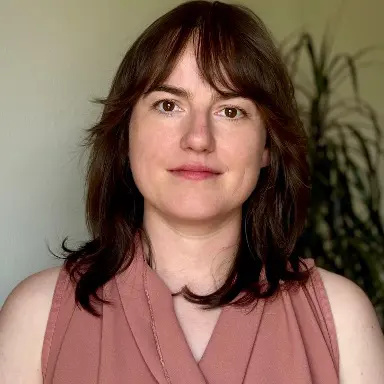
Alli Ewacha
Registered Psychotherapist (Qualifying)
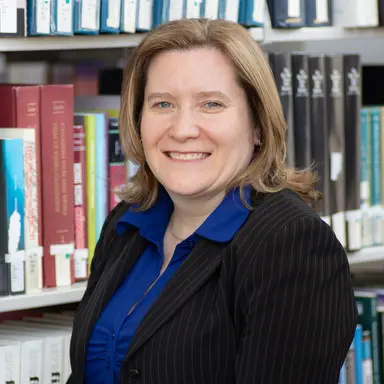
Kristy Brosz, MSW, RCSW
Registered Clinical Social Worker/Mental Health Therapist
*Chronic Illness/Rare Disease Therapist & Trauma/Grief Specialist* Kristy's practice focuses on the intersection between trauma and grief/loss. Kristy has a special interest in the areas of trauma, grief/loss, rare/chronic illness, palliative care, and adoption/foster/kinship care.
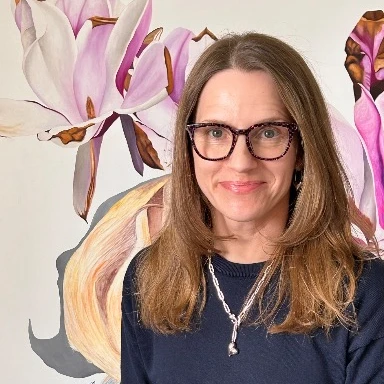
Joanna Czub
Registered Psychotherapist (Qualifying)
I support women who have spent years caring for everyone else and now feel exhausted, guilty, disconnected from themselves or unsure who they are beyond their responsibilities. My work focuses on childhood and relational trauma, shame, people-pleasing, difficult family relationships, grief and the struggle to establish boundaries without feeling selfish.

Zarifa Andani
MPCC-P, RTC-C
This work isn’t about fixing your parts—it’s about helping you feel more like your whole self again. We can work together to slow down, get curious, and listen deeply. Our internal body wisdom is an integral source of information that speaks more significantly than words. Real change is possible when ALL of you feels safe enough to be seen and supported, just as you are.

Samantha Duarte Alvarez
Registered Psychotherapist (RP)
New clients are welcome! I'm Sam, a Registered Psychotherapist in Ontario specializing in trauma, grief, and work stress for adults navigating difficult experiences and life transitions. Together, we work to make sense of what you’re experiencing, gently connect with your nervous system and emotions, and support meaningful shifts that feel aligned with who you are.

Sandeep Kaur Marwaha
Occupational Therapist, Psychotherapist
As a brown kid of immigrants from the Global South, I appreciate the nuances, struggles, and beauty of being from immigrant and global majority communities. My values of acceptance, compassion, curiosity, and connection guide my work. With an anti-oppressive, relational lens, I will support you to soften towards yourself, slowly heal, and move in alignment with your values instead of fear.

Kristina Founk
Registered Clinical Hypnotherapist, Counselling Therapist
Hi! I’m Kristina, and I specialize in guiding individuals through the challenges of anxiety, phobias, and panic attacks. I am an ARCH registered clinical hypnotherapist with specialized training in supporting individuals with PTSD/CPTSD. I would be honoured to help you achieve lasting relief through the transformative power of hypnotherapy. Together, we'll embark on a journey towards inner peac...

Khysandra Lee
Registered Psychotherapist
Jenn Cardoso
Registered Psychotherapist & Relationship Coach
Navigating the complexities of relationships can be challenging and feel exhausting, but you don’t have to face them alone. Recognizing that you need support is a courageous and essential step toward deeper connection and a more meaningful life. As a therapist who specializes in relational issues, I'll skillfully guide you through each stage of the process, honoring the uniqueness of your backgro…

Valery Vengerov
Registered Psychotherapist
To those who have taken the courageous step of seeking out a therapist, I want to express my deep admiration and respect. Embarking on this journey takes tremendous willingness and courage, and I commend you for prioritizing your mental and emotional well-being. You are already demonstrating incredible strength, and I am here to support you every step of the way.
Katharine De Santos
Registered Psychotherapist
Healthy Minds Psychotherapy was founded in 2018 with the mission of providing psychotherapeutic care to individuals from diverse backgrounds, fostering resilience in each person and our community as a whole.

Catherine Sullivan
MSW, RSW
Trauma and EMDR therapy in the West End of Ottawa.

Anastasia Berezowsky
Registered Psychotherapist (Qualifying)
My practice blends talk therapy and structured accountability to help you find balance and resilience—especially when life feels demanding and you need some direction. With a background in Kinesiology and Psychology, I take a whole-person approach that connects mind and body. I support clients who feel misaligned and need the space to untangle themselves from the stressors of every day.
Tanja Ivic
Registered Social Worker
*Accepting new virtual clients across Ontario, supporting teens and adults navigating anxiety, trauma, addiction patterns, identity and life transitions.
Mohamad Shabib
Canadian Certified Counsellor
Mohamad Shabib is a trauma-informed counsellor specializing in PTSD, addiction, and complex trauma. He integrates CBT, EMDR, and evidence-based approaches with a culturally responsive lens shaped by refugee and public health experience. He supports vulnerable populations, including refugees and first responders, in healing, resilience, and recovery.
Erika Szabo
Registered Social Service Worker, Psychotherapist
My name is Erika. I'm a white, cis-gender queer woman with lived experience of complex trauma. I work from a person-centered, relational, and anti-oppressive lens and embody this in the work I do! Whether you're interested in meditation, art making, somatics, or simply an empathic ear, I will hold space for you in whatever way you need. BOOKING OPEN in-person and online across Ontario.
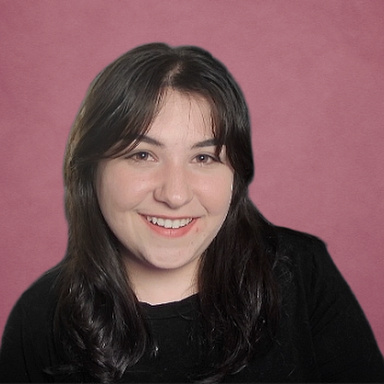
Serena Welsh
Registered Psychotherapist (Qualifying)
Hi, I'm Serena! I'm a Masters-level therapist in Ottawa working with teens, adults, and couples. I specialize in relationship concerns, emotion regulation, trauma, BPD, and Bipolar Disorder. My approach is warm, flexible, and judgment-free. Reach out for a free, 15-minute consult to see if we could be a good fit.

Shadan Mosavat
Clinical Counsellor, M.A, CCC.
With over 9 years of clinical experience, I support adults navigating Adult ADHD, Borderline Personality Disorder (BPD), emotional dysregulation, anxiety, and relationship challenges in Vancouver & BC. As a Registered Clinical Counsellor (CCC), I provide a warm, neurodivergent-affirming space to move past chronic shame and build lasting emotional safety.

Morgan Mackenzie
MSW, RSW, Psychotherapist
I specialize in empowering young adults in their late teens, 20s, and 30s to reclaim confidence, happiness, and fulfillment, despite the challenges of low self-esteem, anxiety, and relationship struggles.
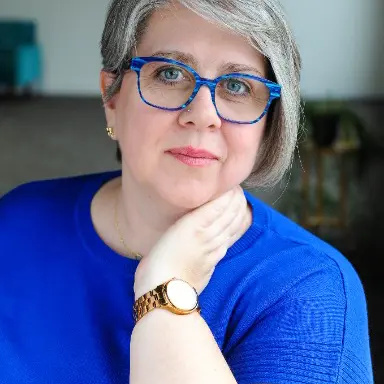
Laura Lockhart
Registered Psychotherapist and Hypnotherapist
Laura is a trauma-focused psychotherapist using an integrative approach that blends psychodynamic, somatic, experiential, and parts work. She supports anxiety, depression, and attachment trauma. Neurodivergent affirming and 2SLGBTQIA+ allied, she offers direct, compassionate therapy and integrates psychedelic-informed care and equine-assisted psychotherapy when appropriate.
How do therapists in St. Catharines, ON compare?
Number of therapists listed
Average years in practice
Currently accepting new clients
Therapists in St. Catharines, ON who prioritize treating:
How therapists see their clients
Top therapy approaches used in St. Catharines, ON:
Frequently Asked Questions About Emotional Dysregulation
What is emotional dysregulation?
Emotional dysregulation refers to difficulty managing the intensity, duration, or expression of emotions in ways that are appropriate to the situation. This may look like emotions that feel overwhelming or unpredictable, rapid shifts in mood, explosive anger, prolonged despair, difficulty calming down after being upset, or the use of harmful coping strategies (such as self-harm or substance use) to manage emotional pain. It is not a character flaw but a learnable skill — the nervous system's ability to regulate can be developed at any age.
What conditions are associated with emotional dysregulation?
Emotional dysregulation is a central feature of several conditions: Borderline Personality Disorder (where it is often most intense), PTSD and complex trauma (where the nervous system is chronically dysregulated), ADHD (where impulsivity and emotional reactivity are core features), autism spectrum conditions, mood disorders, and anxiety. It also occurs independently of a diagnosable condition — many people with significant early adverse experiences develop dysregulation without meeting criteria for any formal diagnosis.
What therapy approaches help with emotional dysregulation?
DBT (Dialectical Behaviour Therapy) is the most specialized and evidence-based approach for emotional dysregulation — it explicitly teaches four modules of skills: mindfulness, distress tolerance, emotional regulation, and interpersonal effectiveness. ACT builds psychological flexibility — the ability to experience difficult emotions without being ruled by them. Trauma-focused therapies address the dysregulation that stems from unresolved trauma. Somatic approaches work with the body's role in emotional regulation. Many therapists integrate elements of all of these.
What is the connection between early trauma and emotional dysregulation?
Children develop the capacity to regulate emotions in large part through co-regulation with attuned caregivers — being soothed when distressed, having emotions named and validated, and experiencing a predictable, safe environment. When early caregiving was inconsistent, frightening, or absent, the nervous system does not fully develop these self-regulation capacities. This is not a permanent deficit: trauma-informed therapy, skills training, and the regulatory experience of a consistent therapeutic relationship can build regulatory capacity even decades after childhood.
How long does treatment for emotional dysregulation take?
Building emotional regulation capacity is often longer-term work, particularly when dysregulation is rooted in early trauma or characterizes a personality pattern. A full DBT program typically runs 6 months to a year with weekly individual therapy and a weekly skills group. More focused DBT-informed skills work can be shorter. Many people notice meaningful improvement within the first few months as they begin applying concrete skills, with deeper stabilization occurring over the following year or more.