Suicidal Ideation Therapists in Vaughan, ON
Verified by Theralist
Verified and in good standing. Last verified Nov 11, 2026
Verification confirms registration only, not fit or quality of care.
How verification worksRegistered Individual and Family Therapist , Clinical Consultant
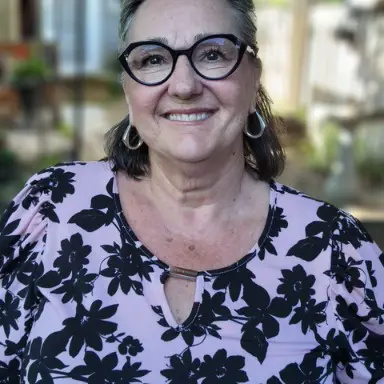
Siobhan McCarthy is a registered individual and family therapist in Ontario, working online on eating disorders, depression and family conflict.

Verified by Theralist
Verified and in good standing. Last verified Nov 17, 2026
Verification confirms registration only, not fit or quality of care.
How verification worksMSW, RSW
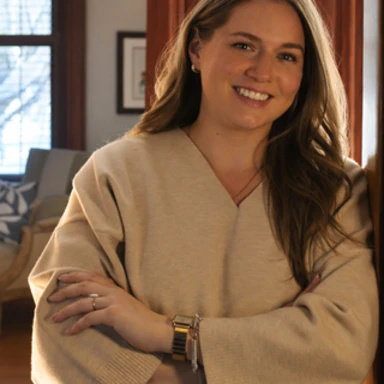
Stephanie Campoli is a registered social worker and therapist in Oshawa, Ontario, helping adults with trauma, PTSD and emotional dysregulation through DBT.
Verified by Theralist
Verified and in good standing. Last verified Nov 8, 2026
Verification confirms registration only, not fit or quality of care.
How verification worksRegistered Psychotherapist
Jillian Ivany is a registered psychotherapist and therapist in Burlington and online across Ontario, focusing on grief, trauma and PTSD.

Verified by Theralist
Verified and in good standing. Last verified Nov 16, 2026
Verification confirms registration only, not fit or quality of care.
How verification worksRegistered Psychotherapist
Synthia Satkunarajah is a registered psychotherapist and therapist in Ontario who works online with teens and adults on anxiety and grief.

Verified by Theralist
Verified and in good standing. Last verified Nov 7, 2026
Verification confirms registration only, not fit or quality of care.
How verification worksRegistered Social Worker, H.BSW, MSW
Melissa Barton is a registered social worker and therapist in Oakville, Ontario, with 20+ years of family work and support for anxiety and family conflict.

Verified by Theralist
Verified and in good standing. Last verified Nov 17, 2026
Verification confirms registration only, not fit or quality of care.
How verification worksRegistered Psychotherapist
Sakina Rizvi is a registered psychotherapist and therapist in Ontario who works online with adults on relationship issues, grief, anxiety and depression.

Verified by Theralist
Verified and in good standing. Last verified Nov 16, 2026
Verification confirms registration only, not fit or quality of care.
How verification worksMSW,RSW
Johann Kong, a registered social worker and therapist in Ontario, works online with adults with depression, anxiety and bipolar disorder.

Verified by Theralist
Verified and in good standing. Last verified Nov 16, 2026
Verification confirms registration only, not fit or quality of care.
How verification worksRegistered Social Worker
Madeleine Krupl, a registered social worker and online therapist in Ontario, works with teens, adults and couples on ADHD, anxiety and depression.

Verified by Theralist
Verified and in good standing. Last verified Nov 12, 2026
Verification confirms registration only, not fit or quality of care.
How verification worksCanadian Certified Counsellor (CCC), Registered Psychotherapist (Qualifying), Registered Counselling Therapist (Candidate)
Yaroslav Grechkin is a Canadian certified counsellor (CCC) and therapist in Ontario, seeing adults and teens online for trauma, PTSD and self-esteem.
Verified by Theralist
Verified and in good standing. Last verified Nov 16, 2026
Verification confirms registration only, not fit or quality of care.
How verification worksRegistered Social Worker
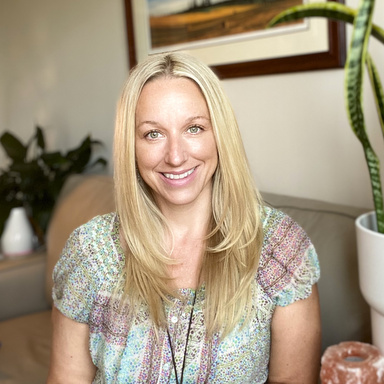
Triena McGuirk is a registered social worker and therapist in Ontario offering online support for anxiety, depression and ADHD, with 22 years in practice.
Vaughan Therapists at a Glance
Number of therapists listed
Average years in practice
Currently accepting new clients
Therapists in Vaughan who prioritize treating:
How therapists see their clients
Top therapy approaches used in Vaughan:
Frequently Asked Questions About Suicidal Ideation
What is suicidal ideation and when is it an emergency?
Suicidal ideation refers to thoughts about ending one's life, ranging from passive wishes to not exist to active planning with intent to act. It is more common than many people realize — research suggests that about 10% of Canadians experience suicidal thoughts at some point in their lives. Suicidal ideation is a clinical emergency when it involves a specific plan, access to means, and intent — or when accompanied by hopelessness, social isolation, substance use, or recent significant loss. If you or someone you know is in immediate danger, call 9-8-8 or go to the nearest emergency room.
What therapy approaches help people experiencing suicidal thoughts?
Dialectical Behaviour Therapy (DBT) has the strongest evidence for reducing suicidal behaviour and self-harm — it directly targets the emotion dysregulation and crisis states that precede suicidal crises. Cognitive Behavioural Therapy for Suicide Prevention (CBT-SP) addresses the thoughts and problem-solving deficits that maintain suicidality. Safety planning — a structured, collaborative plan developed with the therapist — is a core intervention for managing crises between sessions. The therapeutic relationship itself is one of the most important protective factors.
Does talking about suicide make it worse?
This is one of the most pervasive and harmful myths about suicide. Research consistently shows that asking directly about suicidal thoughts does not plant the idea or increase risk — in fact, it reliably decreases risk by reducing shame, opening the door to support, and allowing the person to feel heard and less alone. Therapists are trained to ask about suicide directly because not asking — out of fear of making it worse — leaves people alone with their most dangerous thoughts.
How can I support someone who is having suicidal thoughts?
Ask directly — "Are you thinking about suicide?" — in a calm, caring way. Listen without judgment and without minimizing. Don't promise to keep it secret. Help them access professional support and, if they are in immediate danger, stay with them and call 9-8-8 or take them to an emergency room. Remove access to lethal means if possible. After the immediate crisis, maintain contact and connection — isolation is a significant risk factor, and ongoing care and checking in matter. Your own support needs matter too; supporting someone who is suicidal is stressful and support for yourself is warranted.
What crisis resources are available in Canada?
Canada's national Suicide Crisis Helpline is 9-8-8 — available 24/7 by call or text. Kids Help Phone (1-800-668-6868) serves young people under 20. Crisis Services Canada's website lists regional crisis services. In a medical emergency, call 911 or go to the nearest emergency room. Therapists on Theralist who specialize in suicidal ideation and crisis support are also an important part of ongoing care between crisis contacts.