Solution Focused Brief (SFBT) Therapists in Vaughan, ON

Verified by Theralist
Verified and in good standing. Last verified Nov 16, 2026
Verification confirms registration only, not fit or quality of care.
How verification worksRegistered Social Worker, Master of Clinical Social Work
Michelle Keough is a registered social worker and therapist in Calgary, Alberta, who works with couples using Emotionally Focused Therapy.

Verified by Theralist
Verified and in good standing. Last verified Nov 5, 2026
Verification confirms registration only, not fit or quality of care.
How verification worksRegistered Social Worker & DBT Therapist
Mabel Reimer is a registered social worker and DBT therapist in Calgary, Alberta, working with teens, adults and families, including neurodivergent clients.

Verified by Theralist
Verified and in good standing. Last verified Nov 11, 2026
Verification confirms registration only, not fit or quality of care.
How verification worksRegistered Psychotherapist (Qualifying)
Namita Patel is a registered psychotherapist (qualifying) and therapist in Ontario offering online sessions for anxiety, depression and grief.
Verified by Theralist
Verified and in good standing. Last verified Nov 12, 2026
Verification confirms registration only, not fit or quality of care.
How verification worksRegistered Social Service Worker
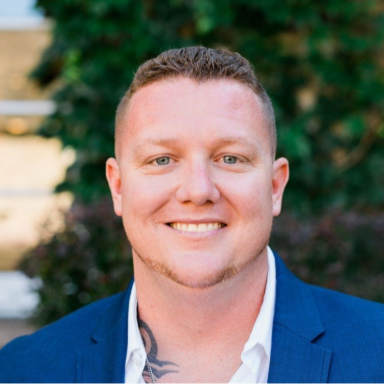
Scott Menzies is a registered social service worker and therapist in Ontario focused on addiction, anxiety and ADHD, using CBT, DBT and EMDR.

Verified by Theralist
Verified and in good standing. Last verified Nov 15, 2026
Verification confirms registration only, not fit or quality of care.
How verification worksRegistered Psychotherapist
Keren Mann is a registered psychotherapist and therapist in Mississauga, Ontario, working with anxiety, depression, trauma and PTSD for adults and teens.

Verified by Theralist
Verified and in good standing. Last verified Nov 11, 2026
Verification confirms registration only, not fit or quality of care.
How verification worksRegistered Social Worker
Mahum Ahmed is a registered social worker and therapist in Milton, Ontario, offering CBT for anxiety, depression and trauma, online or in person.

Verified by Theralist
Verified and in good standing. Last verified Nov 17, 2026
Verification confirms registration only, not fit or quality of care.
How verification worksClinical Social Worker & Therapist
Cristal Hines is a clinical social worker and therapist in Ontario offering online help with trauma, PTSD and family therapy for teens, adults and elders.

Verified by Theralist
Verified and in good standing. Last verified Nov 7, 2026
Verification confirms registration only, not fit or quality of care.
How verification worksRegistered Social Worker and Psychotherapist, South Asian Therapist in Ontario and Alberta
Davina Tiwari is a registered social worker and psychotherapist in Ontario offering online CBT for anxiety, stress and family conflict.

Verified by Theralist
Verified and in good standing. Last verified Nov 9, 2026
Verification confirms registration only, not fit or quality of care.
How verification worksRegistered Psychotherapist (Qualifying)
Serena Welsh is an Ottawa therapist and registered psychotherapist (qualifying) working with teens, adults and couples on BPD and bipolar disorder.

Verified by Theralist
Verified and in good standing. Last verified Nov 11, 2026
Verification confirms registration only, not fit or quality of care.
How verification worksRegistered Psychotherapist
Chantelle Vaz is a registered psychotherapist and therapist in Mississauga, Ontario, working in person and online with anxiety, depression and ADHD.

Verified by Theralist
Verified and in good standing. Last verified Nov 5, 2026
Verification confirms registration only, not fit or quality of care.
How verification worksRegistered Psychotherapist
Mackenzie Fournier, a registered psychotherapist and therapist in Ontario, works online with teens and adults on anxiety and eating disorders using CBT.

Verified by Theralist
Verified and in good standing. Last verified Nov 7, 2026
Verification confirms registration only, not fit or quality of care.
How verification worksRegistered Psychotherapist (Qualifying)
Lisa Ghilarducci is a registered psychotherapist (qualifying) and online therapist in Ontario, working with teens and adults on trauma, anxiety and anger.

Verified by Theralist
Verified and in good standing. Last verified Nov 17, 2026
Verification confirms registration only, not fit or quality of care.
How verification worksRegistered Psychotherapist (Qualifying)
Bethany Richer is a registered psychotherapist (qualifying) and therapist in Ottawa, working with teens and adults on anxiety, depression and ADHD.

Verified by Theralist
Verified and in good standing. Last verified Nov 7, 2026
Verification confirms registration only, not fit or quality of care.
How verification worksRegistered Social Worker
Carla Barbosa is a registered social worker and therapist in Ontario who works online with adults on ADHD, autism and anxiety, in English and Portuguese.

Verified by Theralist
Verified and in good standing. Last verified Nov 17, 2026
Verification confirms registration only, not fit or quality of care.
How verification worksRegistered Social Worker
Haley Moore is a registered social worker and therapist in Ontario offering online sessions for anxiety, depression and relationship issues, using CBT and DBT.

Verified by Theralist
Verified and in good standing. Last verified Nov 11, 2026
Verification confirms registration only, not fit or quality of care.
How verification worksRegistered Psychotherapist (Qualifying)
Dylan Walker, a registered psychotherapist (qualifying) and therapist in Ontario, uses online CBT and ACT with adults dealing with anxiety.

Verified by Theralist
Verified and in good standing. Last verified Nov 11, 2026
Verification confirms registration only, not fit or quality of care.
How verification worksRegistered Provisional Psychologist
Christina Hong is a registered provisional psychologist and therapist in Calgary, Alberta, working online and in person on anxiety, grief and trauma.

Verified by Theralist
Verified and in good standing. Last verified Nov 11, 2026
Verification confirms registration only, not fit or quality of care.
How verification worksRegistered Psychotherapist (Qualifying)
Manisha Grewal is a registered psychotherapist (qualifying) and therapist in Ontario, seeing adults for anxiety, depression and grief through online sessions.
Verified by Theralist
Verified and in good standing. Last verified Nov 12, 2026
Verification confirms registration only, not fit or quality of care.
How verification worksRegistered Social Worker, Mental Health Therapist, Clinical Educator
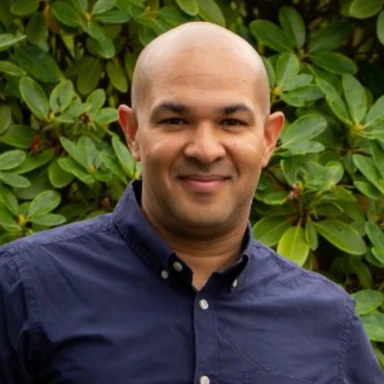
Teak Daniel is a registered social worker and therapist in British Columbia, specializing in bipolar disorder, depression and anxiety.

Verified by Theralist
Verified and in good standing. Last verified Nov 9, 2026
Verification confirms registration only, not fit or quality of care.
How verification worksRegistered Psychotherapist (Qualifying)
Mairin Clarke is a registered psychotherapist (qualifying) and therapist in Oakville, Ontario, working with OCD, ADHD, anxiety and men's mental health.
Vaughan Therapists at a Glance
Number of therapists listed
Average years in practice
Currently accepting new clients
Therapists in Vaughan who prioritize treating:
How therapists see their clients
Top therapy approaches used in Vaughan:
Frequently Asked Questions About Solution Focused Brief (SFBT)
What is solution-focused brief therapy (SFBT)?
Solution-Focused Brief Therapy (SFBT) is a goal-directed, future-focused approach that centres on what clients want to achieve — their preferred future — rather than exploring the causes or history of their problems. Developed by Steve de Shazer and Insoo Kim Berg, SFBT operates on the premise that clients already possess the strengths and resources needed for change, and that therapy's role is to help them identify and amplify those resources. It is deliberately brief and collaborative, with the client as the expert on their own life.
How is SFBT different from problem-focused therapies?
Where most therapies start by exploring the problem in detail — its history, causes, patterns, and impact — SFBT spends relatively little time on problems and much more time on exceptions (times when the problem is less present or absent), goals (what the client wants instead of the problem), and strengths (what the client is already doing that works). This shift in focus often produces movement quickly and can feel more empowering than an extended focus on what is not working.
What techniques are used in SFBT sessions?
SFBT uses a distinctive set of questions. The miracle question — "If a miracle happened tonight and your problem was solved, what would be different tomorrow?" — helps clients articulate their preferred future in concrete terms. Scaling questions ask clients to rate their current situation on a scale of 0–10 and identify what a small step forward would look like. Exception-finding questions surface times when the problem was less severe and explore what was different. Compliments and affirming clients' existing strengths are central to every session.
What is SFBT most suitable for?
SFBT is well-suited for people who have a specific, well-defined goal they want to work toward, who are motivated for change, and whose difficulties do not involve deep trauma or complex psychological conditions requiring longer-term processing. It is used effectively for depression, relationship difficulties, school and workplace challenges, parenting concerns, and general life dissatisfaction. It is less appropriate as a primary approach for trauma processing, personality disorders, or grief that requires exploration of the past.
How many sessions does SFBT typically involve?
As the name suggests, SFBT is designed to be brief — often 4–8 sessions. Research supports its effectiveness even at very short treatment durations. Many clients begin to notice meaningful change within the first two to three sessions as they start identifying exceptions and small steps forward. Some therapists use SFBT as a starting point and transition to other approaches if deeper work emerges as needed; others integrate SFBT techniques within a longer-term treatment approach.