Attachment-based Therapists in Montreal, QC

Verified by Theralist
Verified and in good standing. Last verified Nov 11, 2026
Verification confirms registration only, not fit or quality of care.
How verification worksRegistered Psychotherapist (Qualifying)
Emily Griffin is a qualifying registered psychotherapist and online therapist in Ontario who helps teens and adults with anxiety and eating disorders.

Verified by Theralist
Verified and in good standing. Last verified Nov 17, 2026
Verification confirms registration only, not fit or quality of care.
How verification worksRegistered Psychotherapist (Qualifying)
Sarah Perone is a registered psychotherapist (qualifying) and therapist in Ontario who works online with couples on infidelity and codependency.
Verified by Theralist
Verified and in good standing. Last verified Nov 11, 2026
Verification confirms registration only, not fit or quality of care.
How verification worksRegistered Psychotherapist (Qualifying)
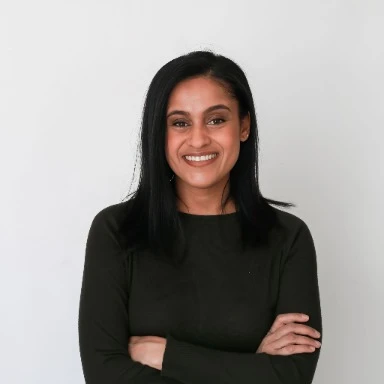
Mandeep Lalli is a registered psychotherapist (qualifying) and online therapist in Ontario, working with BIPOC adults and couples on anxiety and trauma.

Verified by Theralist
Verified and in good standing. Last verified Nov 8, 2026
Verification confirms registration only, not fit or quality of care.
How verification worksRegistered Psychotherapist (Qualifying)
Tina Pirvali is a registered psychotherapist (qualifying) in Ontario offering online couples therapy and therapy for infidelity in English and Farsi.

Verified by Theralist
Verified and in good standing. Last verified Nov 8, 2026
Verification confirms registration only, not fit or quality of care.
How verification worksRegistered Psychotherapist (Qualifying), Naturopath
Margot Hovey is a Montreal therapist and registered psychotherapist (qualifying) helping adults, seniors and families with anxiety and depression.

Verified by Theralist
Verified and in good standing. Last verified Nov 11, 2026
Verification confirms registration only, not fit or quality of care.
How verification worksClinical Counsellor, M.A, RCC, CCC.
Shadan Mosavat is a clinical counsellor (RCC, CCC) and online therapist in British Columbia who works with adults on ADHD, trauma and depression.

Student Therapist
Joshua Dhanaraj is a student therapist in Calgary, Alberta, offering CBT for anxiety and grief to teens, adults and seniors, in person or online.

Registered Psychologist/Counselling Therapist/Certified Counsellor
Therapy Collective is a Calgary, Alberta team of therapists offering online and in-person care for anxiety, trauma, ADHD, addiction and EMDR.

Verified by Theralist
Verified and in good standing. Last verified Nov 17, 2026
Verification confirms registration only, not fit or quality of care.
How verification worksRegistered Psychotherapist (Qualifying)
Mara Behan is an online therapist in Ontario and registered psychotherapist (qualifying) focused on infidelity, divorce and infertility.

Verified by Theralist
Verified and in good standing. Last verified Nov 12, 2026
Verification confirms registration only, not fit or quality of care.
How verification worksMPCC-P, RTC-C
Zarifa Andani is an MPCC-P, RTC-C therapist in British Columbia who works online with teens, adults and couples on grief, trauma and PTSD.

Verified by Theralist
Verified and in good standing. Last verified Nov 12, 2026
Verification confirms registration only, not fit or quality of care.
How verification worksRegistered Psychotherapist
Yuhao Miao is a registered psychotherapist and therapist in Ontario who works with adults on anxiety, ADHD and depression, in English and Mandarin.

Verified by Theralist
Verified and in good standing. Last verified Nov 11, 2026
Verification confirms registration only, not fit or quality of care.
How verification worksRegistered Psychotherapist (Qualifying), MACP, ADHD-SP, EMDR, HBSc (she, her)
Maya Awad is a registered psychotherapist (qualifying) and therapist in Ontario who works online with teens, adults and couples on ADHD and anxiety.

Verified by Theralist
Verified and in good standing. Last verified Nov 12, 2026
Verification confirms registration only, not fit or quality of care.
How verification worksRegistered Psychotherapist / Psychothérapeute autorisée
Rachelle Trudel, a registered psychotherapist and online therapist in Ontario, works with adults on anxiety, depression and family conflict.

Verified by Theralist
Verified and in good standing. Last verified Nov 12, 2026
Verification confirms registration only, not fit or quality of care.
How verification worksRegistered Psychotherapist (Qualifying), MACP, BA (she, her)
Emma Hartley is a registered psychotherapist (qualifying) and therapist in Ontario, seeing adults and teens online for anxiety, ADHD and stress.
Montreal Therapists at a Glance
Number of therapists listed
Average years in practice
Currently accepting new clients
Therapists in Montreal who prioritize treating:
How therapists see their clients
Top therapy approaches used in Montreal:
Frequently Asked Questions About Attachment-based
What is attachment-based therapy?
Attachment-based therapy draws on attachment theory — the framework developed by John Bowlby describing how early relationships with caregivers shape our emotional development and patterns of relating throughout life. Therapists using this approach help clients understand how early attachment experiences influence their current relationships, emotional responses, and sense of self, and work to develop more secure ways of connecting with others.
What attachment styles exist and how do they affect relationships?
Research identifies four primary adult attachment styles: secure (comfortable with closeness and able to depend on others), anxious or preoccupied (craving closeness but fearful of abandonment), avoidant or dismissive (valuing independence and uncomfortable with emotional intimacy), and disorganized (a mix of longing for and fear of closeness, often related to trauma or frightening caregiving). These styles, while developed in childhood, can shift and become more secure through therapy and healthy relationships.
What conditions does attachment-based therapy help with?
Attachment-based therapy is particularly effective for relationship difficulties, anxiety, depression, trauma, grief, and personality concerns that have roots in early caregiving. It is widely used for adults who experienced neglect, emotional unavailability, abuse, or significant loss in childhood. It also supports people struggling with patterns like fear of abandonment, difficulty trusting others, chronic loneliness, or self-sabotage in relationships.
How does the therapeutic relationship itself play a role in attachment-based work?
In attachment-based therapy, the relationship between therapist and client is itself a therapeutic tool. The therapist provides a consistent, attuned, and safe relational experience — often described as a "corrective emotional experience" — that can help rewire attachment patterns developed in less secure early environments. Over time, this relationship models what secure connection feels like and helps clients internalize a more stable sense of safety with others.
How long does attachment-based therapy take?
Attachment-based therapy is typically longer-term, often ranging from one to several years, because it works with deep-rooted patterns developed over a lifetime of relational experience. Some people benefit from shorter courses of attachment-informed work for specific relationship concerns. The therapeutic relationship itself is central to the healing process, which means pace and depth are determined in collaboration with your therapist based on your history and goals.