Bipolar Disorder Therapists in Cochrane, AB

Coltan Thompson
Registered Psychologist
I help clients achieve their goals by getting to the root of issues while introducing practical strategies along the way. My approach to therapy is a mixture of directive, exploratory, and supportive.
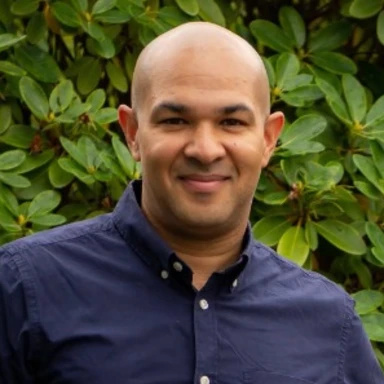
Teak Daniel
Registered Social Worker, Mental Health Therapist, Clinical Educator
Registered Social Worker specializing in counselling for bipolar disorder, psychosis, depression and anxiety. I have 20 years of experience in mental health, specifically working for Provincial Health Authorities in Canada and for NHS in the UK, including 16+ years specializing in bipolar disorder and psychosis. Virtual counselling for adults, youth and families across BC, Alberta and Ontario.
How do therapists in Cochrane, AB compare?
Number of therapists listed
Average years in practice
Currently accepting new clients
Therapists in Cochrane, AB who prioritize treating:
How therapists see their clients
Top therapy approaches used in Cochrane, AB:
Frequently Asked Questions About Bipolar Disorder
What is bipolar disorder?
Bipolar disorder is a mood condition characterized by significant episodes of mood extremes — mania or hypomania (elevated, expansive, or irritable mood with increased energy and reduced need for sleep) alternating with depressive episodes. Bipolar I involves full manic episodes; Bipolar II involves hypomania and major depression. Both types significantly impact daily functioning and relationships. Onset is typically in late adolescence or early adulthood, and bipolar disorder is a lifelong condition that can be effectively managed with the right combination of medication and psychological support.
Why is therapy important alongside medication for bipolar disorder?
Medication — typically mood stabilizers and/or atypical antipsychotics — is the foundation of bipolar treatment and reduces the frequency and severity of episodes. However, medication alone leaves significant gaps. It does not address the psychosocial impact of the disorder, and medication adherence is a persistent challenge, particularly during hypomanic states when people feel well and may stop taking medication. Research consistently shows that medication combined with therapy produces better outcomes than medication alone.
What therapy approaches are used for bipolar disorder?
Psychoeducation — understanding the nature of bipolar disorder, recognizing early warning signs of episodes, and developing a mood management plan — is foundational and has strong evidence. Interpersonal and Social Rhythm Therapy (IPSRT) stabilizes mood by regulating daily routines such as sleep, activity, and meals, which directly influence mood stability. CBT for bipolar addresses thought patterns specific to each phase. Family-focused therapy improves communication and reduces stressors that can trigger episodes.
What are the particular challenges of therapy during different phases of bipolar disorder?
Therapy looks different across phases. During depression, the challenge is engagement and activation — depression impairs motivation and hopeful thinking. During hypomanic or manic states, insight is often reduced and the person may not recognize that their elevated mood is problematic. Between episodes, stable periods are typically the most productive time for therapy — building skills, processing the impact of past episodes, and preparing for future ones. Therapists with bipolar experience adapt their approach to the current phase.
How long does therapy for bipolar disorder continue?
Bipolar disorder is a long-term condition, and therapy tends to be ongoing rather than time-limited — though frequency typically shifts over time. In periods of stability, monthly or quarterly sessions maintain gains and provide monitoring. During transitions, stress, or early warning signs, more frequent sessions offer support. Many people find that an ongoing therapeutic relationship — one that knows their history, patterns, and vulnerability periods — is as valuable as any specific technique.