Infidelity Therapists in Cochrane, AB

Darbey Carlson
Registered Psychotherapist, EMDR, MACP, MSc, ADHD-CCSP
Accepting NEW Clients - Do you feel “stuck” in your day-to-day life or unsure how to move forward in a way that makes you feel fulfilled? Are you interested in learning more about how your childhood impacts you as an adult? Does it feel like your past experiences are weighing on you, and your sense of self is foggy or unclear? Are you interested in exploring different perspectives or figuring o...
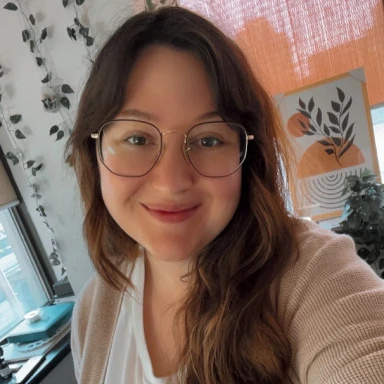
Colombe Mazerolle
Licensed Counselling Therapist - C
Are you struggling with intense emotions that feel overwhelming, ongoing conflict or disconnection in relationships or feeling stuck in survival mode or repeating self-sabotaging patterns? I'm Colombe, therapist at Ember Counselling Therapy, and I help individuals and couples build emotional balance, heal from past pain, and create healthier relationships.
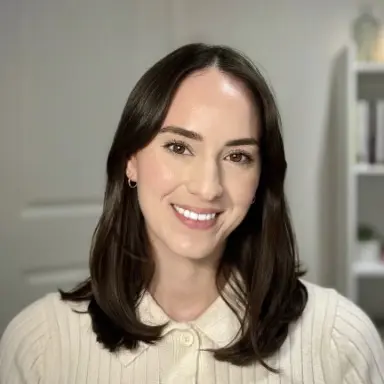
Sarah Perone
Registered Psychotherapist (Qualifying)
I help individuals and couples break painful relationship cycles so they can feel more connected, secure, and confident. I support concerns like recurrent conflict, relationship anxiety (and ROCD), limerence, and resentment. Using an attachment- and evidence-based approach, I offer warm, non-judgmental virtual therapy across Ontario. Book a free 15-minute consultation to get started.
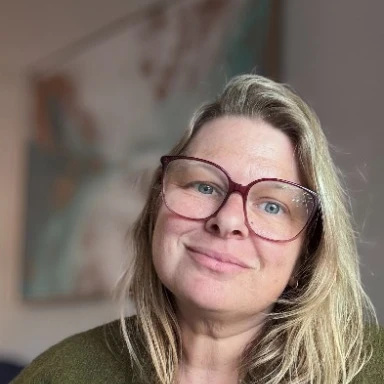
Mara Behan
Registered Psychotherapist (Qualifying)
I help couples and individuals find growth, healing, and stronger connections. Using evidence-based and individualized approaches, I support those struggling with women's health concerns (e.g., pregnancy, postpartum, perimenopause, menopause), relationship concerns (e.g., resentment, infidelity), and life transitions (e.g., separation/divorce, parenting). I offer a free 15-minute consultation!
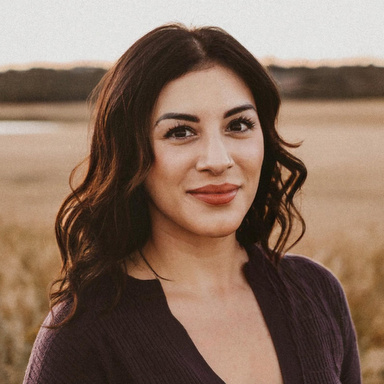
Vanessa Leggio
MSW, RSW
Hello! I’m Vanessa, a couples therapist and trauma therapist. With both personal and professional experience, I’m dedicated to creating a safe space for healing and growth. I work with couples to rebuild trust, intimacy, and connection. For couples or individuals who are struggling with trauma, I use EMDR, a powerful and effective therapy that has helped many overcome and grow from trauma.
How do therapists in Cochrane, AB compare?
Number of therapists listed
Average years in practice
Currently accepting new clients
Therapists in Cochrane, AB who prioritize treating:
How therapists see their clients
Top therapy approaches used in Cochrane, AB:
Frequently Asked Questions About Infidelity
Can a relationship survive infidelity?
Many couples do recover from infidelity and report that — with time, work, and professional support — their relationship becomes stronger and more honest than before. Recovery is possible, but it is not guaranteed and it is not quick. Both partners need to be genuinely committed to the process: the person who was unfaithful must take full accountability, and the betrayed partner must be willing to work through painful emotions. Whether to stay or leave is a deeply personal decision, and therapy supports both paths.
What does therapy for infidelity involve?
Therapy after infidelity typically moves through several stages: initial crisis stabilization (managing acute emotional pain and making safety decisions about the relationship); disclosure and understanding (answering the why questions honestly); processing the betrayal (allowing the betrayed partner to grieve); and rebuilding or separating (working toward renewed commitment or a thoughtful ending). Therapists may use the Gottman Method, Emotionally Focused Therapy (EFT), or other approaches depending on the couple's needs.
Should we see a couples therapist or an individual therapist after infidelity?
Both are often valuable. Many couples work with a couples therapist while each partner also has individual therapy to process their experience separately — individual therapy allows each person space that the couples room cannot always provide. The betrayed partner may need to process shock, grief, and anger individually; the unfaithful partner often benefits from exploring what drove the affair and rebuilding their own integrity. Your couples therapist can recommend how to structure both.
How long does recovery from infidelity typically take?
Recovery from infidelity is generally measured in years, not months. Research by couples therapists suggests the full process of healing — moving from betrayal through rebuilding trust to genuine reconnection — typically takes two to four years for couples who choose to stay together. Progress is not linear: there are periods of renewed pain, especially around anniversaries or triggers. This does not mean the process has failed; it is a normal part of healing from profound relational trauma.
Is it possible to work on infidelity in therapy if my partner refuses to come?
Yes — individual therapy is meaningful whether you were betrayed or unfaithful. If you were betrayed, individual therapy offers a space to process the trauma, make sense of what happened, and decide what you want going forward — without pressure to present a united front. If you were unfaithful and your partner won't attend therapy, individual work can help you understand your behaviour, take accountability, and become a better partner regardless of whether the relationship continues.