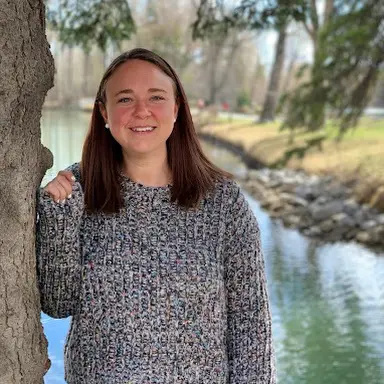
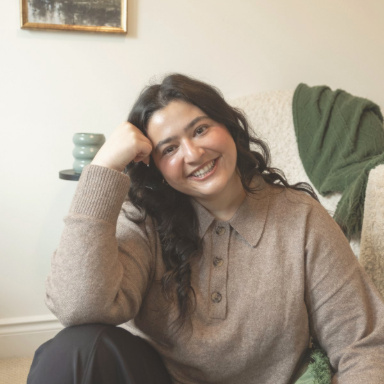
Claire Fan
Therapist (MSW/RSW)
Claire Fan is a registered social worker and therapist in Calgary, Alberta, using CBT, DBT and EMDR for anxiety, trauma and ADHD.
Therapist (MSW/RSW)
Claire Fan is a registered social worker and therapist in Calgary, Alberta, using CBT, DBT and EMDR for anxiety, trauma and ADHD.
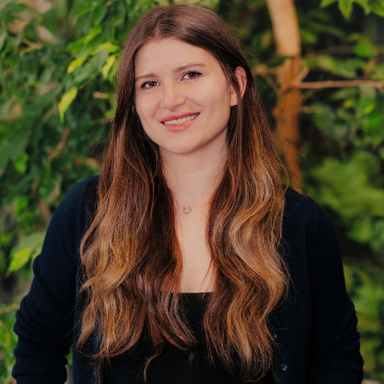
MPCC-P, RTC-C
Zarifa Andani is an MPCC-P, RTC-C therapist in British Columbia who works online with teens, adults and couples on grief, trauma and PTSD.
Registered Psychotherapist (Qualifying)
Emma Laughlan is a qualifying registered psychotherapist and therapist in Ontario who works online with teens and adults on anxiety, using IFS and DBT.
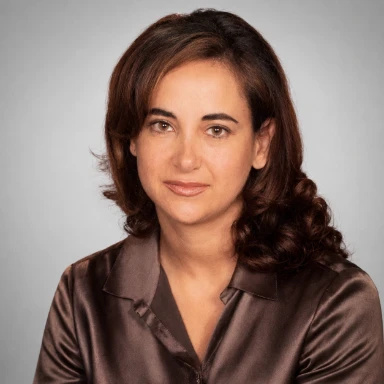
Registered Psychologist
Tiffany Warren is a registered psychologist and therapist in Calgary, Alberta, offering CBT and DBT for anxiety, depression, ADHD and trauma.
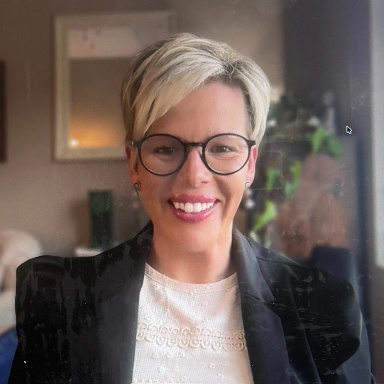
Registered Psychologist
Paige Rome is a registered psychologist and therapist in Airdrie, Alberta, working with teens, adults and couples on anxiety, depression and trauma.
Registered Psychotherapist (Qualifying)
Mairin Clarke is a registered psychotherapist (qualifying) and therapist in Oakville, Ontario, working with OCD, ADHD, anxiety and men's mental health.
Registered Social Worker & DBT Therapist
Mabel Reimer is a registered social worker and DBT therapist in Calgary, Alberta, working with teens, adults and families, including neurodivergent clients.
Master of Social Work
Stacey Squires is a Calgary, Alberta therapist who works with adults on trauma, ADHD and relationship issues, using Narrative Therapy and DBT.
Counselling Therapist, RTC • OCD & Anxiety
Sanaa Sanjad is an RTC counselling therapist in Alberta focused on OCD and anxiety, using CBT and ERP with teens and adults online or in person.
Registered Provisional Psychologist
Jeremy Fonteyne is a registered provisional psychologist and therapist in Calgary, using DBT for anxiety, ADHD and depression with teens and adults.
Registered Psychologist
Erin Greenough is a registered psychologist and therapist in Edmonton, Alberta, offering sex therapy, couples counselling and anxiety support.
Registered Therapeutic Counsellor
Tanya Vall is a registered therapeutic counsellor and therapist in Vancouver, British Columbia. Sessions are in person or online, with a sliding scale.
Registered Psychotherapist (Qualifying), MACP, ADHD-SP, EMDR, HBSc (she, her)
Maya Awad is a registered psychotherapist (qualifying) and therapist in Ontario who works online with teens, adults and couples on ADHD and anxiety.
MPCC (Provisional), RTC Candidate
Tracy Greenough is a provisional MPCC and RTC candidate and therapist in Chilliwack, BC, working with anxiety, trauma and relationship issues.
Registered Psychologist, PhD.
Christina Gray is a registered psychologist and therapist in Calgary, Alberta, working with children, teens and adults on ADHD and anxiety.
Licensed Counselling Therapist - C
Colombe Mazerolle is a licensed counselling therapist in Moncton, New Brunswick, using DBT and EFT for emotional dysregulation and relationship issues.
Registered Provisional Psychology & Canadian Certified Counsellor
Mely Sio is a Canadian Certified Counsellor and therapist in Calgary, Alberta, offering couples therapy and support for anxiety, depression and trauma.
Counselling Therapist, CT, MTC, RCS
Melody Hazelton is a counselling therapist in Alberta who works online with adults on anxiety, trauma and relationship issues, using CBT and DBT.
MPCC-Provisional
Ashley Johnson is a provisional MPCC and therapist in Calgary, Alberta who supports caregivers and first responders with trauma, grief and codependency.
Registered Psychotherapist (Qualifying)
Michaela DeSimone is a registered psychotherapist (qualifying) and therapist in Oakville, Ontario, working on anxiety, ADHD, relationships and school issues.
Number of therapists listed
Average years in practice
Currently accepting new clients
Therapists in Cochrane who prioritize treating:
How therapists see their clients
Top therapy approaches used in Cochrane:
DBT is a structured, evidence-based therapy originally developed by Dr. Marsha Linehan to treat borderline personality disorder (BPD), particularly for individuals experiencing intense emotional pain and self-harm or suicidal behaviour. DBT is built around four core skill sets: mindfulness, distress tolerance, emotional regulation, and interpersonal effectiveness. Its name reflects the core dialectic at its heart — balancing acceptance of yourself as you are with commitment to change.
While DBT was initially developed for BPD, it is now used effectively for a wide range of conditions involving emotional dysregulation, including depression, anxiety, eating disorders, PTSD, bipolar disorder, ADHD, substance use disorders, and self-harm. DBT is appropriate for both adolescents and adults. DBT skills are also valuable for people who do not have a diagnosed condition but struggle with managing intense emotions or interpersonal conflict.
Comprehensive DBT typically involves weekly individual therapy sessions, a weekly DBT skills training group (similar to a class where skills are taught and practised), between-session phone coaching for crisis support, and a therapist consultation team. However, many therapists offer "DBT-informed" or adapted DBT that incorporates the skills framework within individual therapy, without the full group component — particularly when comprehensive DBT programs are not available in your area.
The four DBT skill areas are: Mindfulness (observing the present moment without judgment, the foundation of all other skills); Distress Tolerance (surviving crises without making things worse); Emotional Regulation (understanding and managing intense emotions); and Interpersonal Effectiveness (navigating relationships, setting limits, and maintaining self-respect). These skills are taught systematically and practised both in sessions and in daily life.
Standard comprehensive DBT runs for approximately one year, covering the full skills curriculum over multiple cycles. DBT-informed individual therapy may be shorter — typically 6 months to a year — depending on the presenting concerns and goals. Progress in DBT is strongly associated with actively practising skills outside of sessions, not just learning them in session. Your therapist will help you apply skills to real situations in your daily life.