Domestic Violence Therapists in British Columbia
View all cities in British Columbia
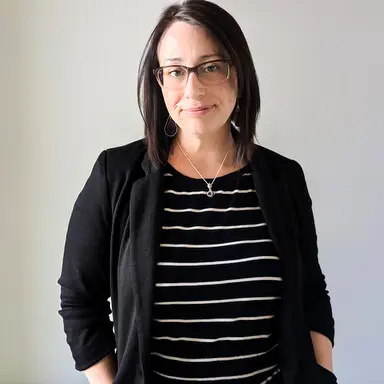
Mackenzie Broomfield (she/her)
Registered Social Worker
I believe that people are the experts in their own lives, and that we naturally possess everything we need to navigate this journey through life. Sometimes, though, we just need someone to walk alongside us - I can be that person.

Denise Mansell, MACP, RSW, RCC, CCC
Registered, Clinical Counsellor, Registered Social Worker, Psychotherapist
Feeling stuck, numb or overwhelmed by the world right now? Are you facing issues like anxiety, depression, and relationship problems? I offer professional, in-person Clinical Counselling, Grief Therapy & Registered Social Work services. Contact me to arrange a brief, complimentary consultation. If you are ready to get started, I have both in-person and remote session openings available.
How do therapists in British Columbia compare?
Number of therapists listed
Average years in practice
Currently accepting new clients
Therapists in British Columbia who prioritize treating:
How therapists see their clients
Top therapy approaches used in British Columbia:
Frequently Asked Questions About Domestic Violence
What is domestic violence?
Domestic violence is a pattern of behaviour in an intimate relationship where one person seeks to maintain power and control over the other through physical violence, threats, sexual coercion, emotional abuse, isolation, or financial control. It affects people of all genders, sexualities, ages, and socioeconomic backgrounds, though women are disproportionately affected by severe and repeated violence. Domestic violence often follows a cycle — tension building, incident, reconciliation, calm — that can make it difficult for those experiencing it to leave or seek help.
How does therapy help survivors of domestic violence?
Therapy helps survivors process complex trauma — the neurological, emotional, and relational damage that results from sustained abuse. It supports survivors in rebuilding a sense of safety, self-trust, and self-worth that has often been systematically eroded. Therapy also addresses the complicated grief and ambivalence that many survivors feel about the relationship and their abuser, and helps people understand why leaving is difficult and what they need to move forward safely.
What is the cycle of violence and why do people stay?
People stay in abusive relationships for many reasons that are rarely about weakness: fear (leaving is statistically the most dangerous time), economic dependence, isolation from support networks, love for the abuser, children, hope that the person will change, and the intermittent reinforcement of the honeymoon phase. Trauma bonding — a strong emotional attachment formed under conditions of abuse — is a real psychological phenomenon. Effective therapy understands these dynamics and never blames the survivor for staying.
What evidence-based approaches help trauma from domestic violence?
Trauma-focused CBT and EMDR have strong evidence for treating PTSD resulting from intimate partner violence. Somatic approaches help survivors reconnect with their bodies in safe ways. Empowerment-based models that prioritize the survivor's autonomy, safety, and own goals are essential — approaches that are overly directive or ignore safety risks can cause harm. Therapy for domestic violence trauma often needs to be longer-term than standard trauma treatment due to the relational and complex nature of the harm.
What crisis resources are available for domestic violence in Canada?
If you are in immediate danger, call 911. The Assaulted Women's Helpline (1-866-863-0511) is available 24/7 nationwide. Local women's shelters and victim services provide crisis support, safety planning, emergency housing, legal advocacy, and referrals to counselling. The ShelterSafe website lists shelters across Canada. Many communities also offer culturally specific services for Indigenous women, newcomer women, and 2SLGBTQI+ survivors. Seeking help — even before you are ready to leave — is always a valid step.