Addiction Therapists in New Brunswick
View all cities in New Brunswick

Chris Graham
Professional Counsellor, MPCC-Provisional designation with the Canadian Professional Counsellors Association (CPCA).
I work with pilots and men in high-pressure careers who are navigating anxiety, burnout, identity challenges, or major life transitions. Many of the people I support are looking for counselling that is practical, confidential, and respectful of their professional context. For pilots concerns about career impact, medical implications often create hesitation around seeking support.
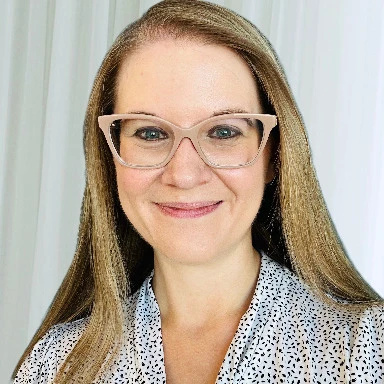
Paige Abbott
Registered Psychologist
Paige specializes in addiction recovery and individual relationship support-her specialties for over 15 years. Sana Psychological is a small team of therapists also led by Paige Abbott. We provide modern, evidence-based in person and virtual therapy services in Calgary and Alberta. We offer support for addiction, OCD, anxiety, trauma, depression, ADHD, relationships, youth, kids and more.

Therapy Collective
Registered Psychologist/Counselling Therapist/Certified Counsellor
We are a group practice with psychologists, CCC's, CT's, and a therapy dog who offer counselling and formal psycho-educational assessments. We cover a broad range of presenting concerns for children, youth, families, couples, and individuals. We offer a variety of approaches as well: EMDR, Cognitive-Hypnotherapy, Art Therapy, Play-Based Therapy, Internal Family Systems, Attachment-Based, Somatic.
How do therapists in New Brunswick compare?
Number of therapists listed
Average years in practice
Currently accepting new clients
Therapists in New Brunswick who prioritize treating:
How therapists see their clients
Top therapy approaches used in New Brunswick:
Frequently Asked Questions About Addiction
What is addiction and how does therapy help?
Addiction is a complex condition characterized by compulsive substance use or behaviour despite negative consequences. It involves changes in brain circuitry affecting reward, motivation, memory, and impulse control. Therapy helps by addressing the underlying psychological drivers of addiction — trauma, mental health conditions, emotional dysregulation, social isolation — as well as the thought patterns and triggers that sustain addictive cycles. Therapy is most effective when combined with other supports such as medical care and peer support.
What types of addiction can therapy address?
Therapy addresses a wide range of substance and behavioural addictions, including alcohol use disorder, opioid use disorder, cannabis dependence, cocaine and stimulant misuse, prescription medication misuse, gambling disorder, sexual addiction, internet and gaming addiction, and food addiction. Many addiction counsellors are also trained to address co-occurring mental health conditions, which are extremely common among people with addiction — often called dual diagnosis.
What therapy approaches are used for addiction?
Motivational Interviewing (MI) is widely used to help people explore their ambivalence about change in a non-judgmental way. CBT for addiction addresses the thoughts and patterns that trigger substance use and builds skills for managing cravings and high-risk situations. Twelve-step facilitation, Acceptance and Commitment Therapy (ACT), trauma-informed approaches, and community reinforcement are also evidence-based. Many therapists integrate multiple approaches based on where you are in your recovery journey.
Does therapy require me to commit to abstinence?
Not necessarily. Many therapists and programs work with a harm reduction model, which supports safer use and reducing negative consequences without requiring abstinence as the only goal. Others work within an abstinence-based framework. Some people want abstinence; others want to reduce use or improve their relationship with a substance. Discuss your goals openly with a potential therapist — a good therapist will work with your goals rather than imposing a single approach.
Is addiction counselling covered by insurance in Canada?
Coverage varies by province and plan. Many extended health benefits cover psychotherapy for addiction when provided by a registered psychologist, social worker, or counsellor. Some provinces offer publicly funded addiction services through health authorities — waitlists vary by region. It is worth contacting your province's addiction services line for information on publicly funded options, and checking your extended benefits for privately covered therapy.