Mindfulness-Based (MBCT) Therapists in New Brunswick
View all cities in New Brunswick

Cheryl Jejina
Registered Psychologist
I support adults and women navigating burnout, trauma, anxiety, and major life transitions. My approach blends evidence-based therapies like DBT and ART with somatic, mind-body work to help you move beyond insight and create real, lasting change. I work especially well with high-achievers, mothers, and those feeling overwhelmed or disconnected.
Paige Abbott
Registered Psychologist
Paige specializes in addiction recovery and individual relationship support-her specialties for over 15 years. Sana Psychological is a small team of therapists also led by Paige Abbott. We provide modern, evidence-based in person and virtual therapy services in Calgary and Alberta. We offer support for addiction, OCD, anxiety, trauma, depression, ADHD, relationships, youth, kids and more.
Annie Szalkai
Registered Psychotherapist
I work with adults from diverse backgrounds, supporting those navigating anxiety, stress, and self-esteem challenges. My approach is client-centred and integrative, drawing from CBT, ACT, EFIT, Solution-Focused Therapy, and more to meet each person’s unique needs.

Mackenzie Howard
Registered Psychotherapist (Qualifying)
I provide psychotherapy to adults across Ontario who are navigating concerns such as anxiety, stress, burnout, perfectionism, relationship concerns, self-esteem, and life transitions. My approach is collaborative and individualized, with sessions focused on understanding your experiences and working toward goals that are meaningful to you.

Sarah Elizabeth Smith
Licensed Clinical Therapist
I offer psychotherapy and somatic therapy for adolescents and adults in Sackville, NB and virtually through telehealth. I often work with clients with addiction, eating disorders, anxiety, personality and mood disorders, and C-PTSD. I am a psychodynamic therapist which means that we take the time to build trust in the therapeutic relationship and we often explore self and interpersonal patterns.
Tiffany Warren
Registered Psychologist
Hello, I’m Tiffany Warren, a Registered Psychologist in Calgary, Alberta, and the founder/director of Calgary Mental Health and Wellness Centre. With 15+ years of experience, I support children, teens, and adults through life’s challenges. As a relationship-based therapist, I believe in the power of the therapist-client connection, fostering empathy, compassion, and unconditional positive regard.

Shadan Mosavat
Clinical Counsellor, M.A, CCC.
With over 9 years of clinical experience, I support adults navigating Adult ADHD, Borderline Personality Disorder (BPD), emotional dysregulation, anxiety, and relationship challenges in Vancouver & BC. As a Registered Clinical Counsellor (CCC), I provide a warm, neurodivergent-affirming space to move past chronic shame and build lasting emotional safety.
Stacey Sanderson
Registered Psychotherapist, Registered Social Worker, Subject Matter Expert
I am Subject Matter Expert in complex, relational trauma, narcissism and high conflict divorce. If you are in a toxic relationship, I can help you navigate the process while learning the powerful boundaries and strategy you need to get to the next chapter in your life feeling confident and empowered. I will help you understand the attachment patterns that are keeping you stuck.

Matthew Pitts
Registered Psychotherapist
I work with individuals and couples, focusing on areas like anxiety, relationship conflict, career stress, and recurring interpersonal patterns. My approach is collaborative, reflective, compassionate, and direct when helpful. Drawing from experience in family law, finance, marriage, and parenthood, I help clients navigate conflict, stress, and personal growth.
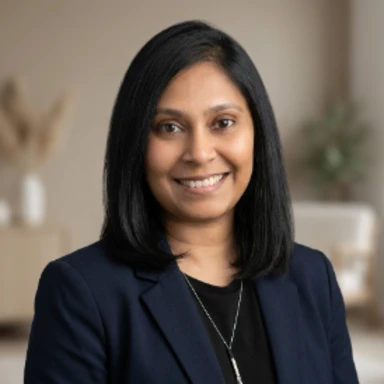
Vrushalee N
Registered Psychotherapist
I’m a Registered Psychotherapist specializing in relational trauma, narcissistic abuse, attachment wounds, identity, self-worth, and emotional regulation. My approach is trauma-informed, integrative, culturally responsive, and deeply collaborative, helping clients move beyond survival patterns toward self-trust, healthier boundaries, and meaningful change.
How do therapists in New Brunswick compare?
Number of therapists listed
Average years in practice
Currently accepting new clients
Therapists in New Brunswick who prioritize treating:
How therapists see their clients
Top therapy approaches used in New Brunswick:
Frequently Asked Questions About Mindfulness-Based (MBCT)
What is mindfulness-based therapy?
Mindfulness-based therapies integrate formal mindfulness practices — paying deliberate, non-judgmental attention to the present moment — into a psychotherapeutic framework. Rather than teaching mindfulness as a relaxation technique, these approaches use it as a tool for changing how people relate to difficult thoughts, emotions, and physical sensations. The two most established approaches are Mindfulness-Based Stress Reduction (MBSR) and Mindfulness-Based Cognitive Therapy (MBCT), both with robust research support.
What is the difference between MBSR and MBCT?
Mindfulness-Based Stress Reduction (MBSR), developed by Jon Kabat-Zinn, is an 8-week program originally designed for chronic illness and stress; it is widely used for anxiety, pain, and general wellbeing. Mindfulness-Based Cognitive Therapy (MBCT), developed by Segal, Williams, and Teasdale, integrates CBT elements specifically for people with recurrent depression; it is the best-evidenced psychological intervention for preventing depressive relapse. Both are typically delivered in group format, though individual MBCT and MBSR-informed therapy are also offered.
What conditions does mindfulness-based therapy help with?
Mindfulness-based approaches have strong evidence for reducing anxiety, preventing depressive relapse, managing chronic pain, reducing burnout and stress, and improving overall quality of life. They are also used adjunctively in treatment for PTSD, eating disorders, substance use, and personality disorders. MBCT is specifically recommended in Canadian clinical guidelines for people who have experienced three or more episodes of major depression.
Do I need to have a meditation practice to benefit from mindfulness-based therapy?
No prior meditation experience is needed. Mindfulness-based therapy programs teach practice from the ground up, starting with brief exercises and building gradually. What matters more than prior experience is willingness to practise regularly between sessions — most programs involve daily home practice of 30–45 minutes. This commitment is what drives the benefits; the techniques themselves are learned through repeated practice rather than conceptual understanding.
Is mindfulness-based therapy connected to religion or spirituality?
Mindfulness has roots in Buddhist contemplative practice, but clinical mindfulness-based programs like MBSR and MBCT are secular and evidence-based — they do not involve religious instruction or belief. The practices are taught as psychological and attentional tools, not spiritual ones. People of all religious backgrounds, including those with no spiritual interest, participate in and benefit from these programs. If you have concerns about the spiritual context, discuss them with your therapist before beginning.