Trauma and PTSD Therapists in New Brunswick
View all cities in New Brunswick

Registered Psychologist/Counselling Therapist/Certified Counsellor
Therapy Collective is a Calgary, Alberta team of therapists offering online and in-person care for anxiety, trauma, ADHD, addiction and EMDR.

Verified by Theralist
Verified and in good standing. Last verified Nov 12, 2026
Verification confirms registration only, not fit or quality of care.
How verification worksRCT, CCC
Dan Diggins is an RCT, CCC and online therapist in Nova Scotia who works on trauma, PTSD, anxiety and depression using EMDR, CBT and DBT.

Verified by Theralist
Verified and in good standing. Last verified Nov 11, 2026
Verification confirms registration only, not fit or quality of care.
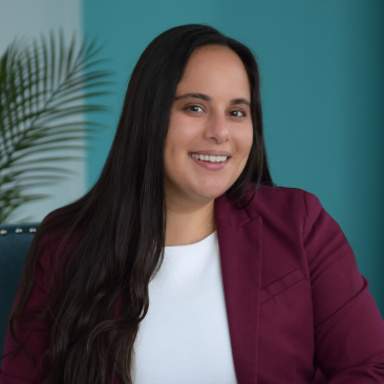
How verification worksClinical Counsellor, M.A, RCC, CCC.
Shadan Mosavat is a clinical counsellor (RCC, CCC) and online therapist in British Columbia who works with adults on ADHD, trauma and depression.
Verified by Theralist
Verified and in good standing. Last verified Nov 12, 2026
Verification confirms registration only, not fit or quality of care.
How verification worksClinical and Health Psychologist
Jessica Campoli is a clinical and health psychologist and therapist in Ontario offering online CBT for adults with anxiety, depression and PTSD.

Verified by Theralist
Verified and in good standing. Last verified Nov 9, 2026
Verification confirms registration only, not fit or quality of care.
How verification worksRegistered Clinical Psychologist
Dr. Marlene Taube-Schiff is a registered clinical psychologist and therapist in Ontario who works online with anxiety, depression, trauma and OCD.

Verified by Theralist
Verified and in good standing. Last verified Nov 16, 2026
Verification confirms registration only, not fit or quality of care.
How verification worksCounselling Therapist
Kristina Founk is a counselling therapist in Calgary, Alberta, who works with teens and adults on anxiety, phobias, stress and PTSD, in person or online.
Verified by Theralist
Verified and in good standing. Last verified Nov 16, 2026
Verification confirms registration only, not fit or quality of care.
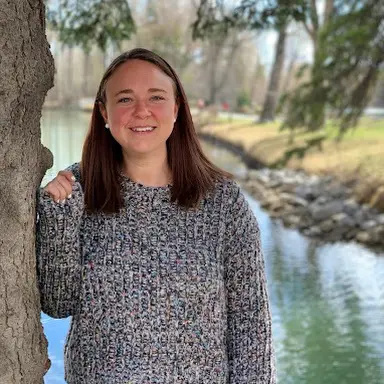
How verification worksRegistered Psychologist
Tiffany Warren is a registered psychologist and therapist in Calgary, Alberta, offering CBT and DBT for anxiety, depression, ADHD and trauma.

Verified by Theralist
Verified and in good standing. Last verified Nov 17, 2026
Verification confirms registration only, not fit or quality of care.
How verification worksOccupational Therapist, Psychotherapist
Sandeep Kaur Marwaha is an occupational therapist and psychotherapist in Toronto who helps adults with anxiety, depression and trauma, in person or online.

Verified by Theralist
Verified and in good standing. Last verified Nov 7, 2026
Verification confirms registration only, not fit or quality of care.
How verification worksRegistered Psychologist
Aleeza S. Mohamed is a registered psychologist and therapist in Calgary, Alberta, who works with women on trauma, PTSD, anxiety and grief.

Registered Psychologist
Nordic Psychology Inc. is a registered psychologist and therapist practice in Okotoks, Alberta, offering couples therapy, EMDR and DBT, in person or online.

Verified by Theralist
Verified and in good standing. Last verified Nov 11, 2026
Verification confirms registration only, not fit or quality of care.
How verification worksRegistered Psychologist
Aliya Manji is a registered psychologist and therapist in Calgary who works with adults and couples on anxiety, trauma and anger, using EMDR and CBT.

Verified by Theralist
Verified and in good standing. Last verified Nov 12, 2026
Verification confirms registration only, not fit or quality of care.
How verification worksLicensed Counselling Therapist Candidate (LCT-C), MA
Jaime Sherwood is a licensed counselling therapist candidate in Fredericton, New Brunswick, working with teens and adults on trauma and PTSD.

Verified by Theralist
Verified and in good standing. Last verified Nov 7, 2026
Verification confirms registration only, not fit or quality of care.
How verification worksRegistered Psychologist
Michelle Bourque is a registered psychologist and therapist in Calgary offering individual and couples therapy for adults with ADHD, anxiety or trauma.

Verified by Theralist
Verified and in good standing. Last verified Nov 11, 2026
Verification confirms registration only, not fit or quality of care.
How verification worksLicensed Counselling Therapist
Nicole Ricketts is a licensed counselling therapist in New Brunswick who works online with adults on anxiety, trauma, grief and caregiver issues.

Verified by Theralist
Verified and in good standing. Last verified Nov 12, 2026
Verification confirms registration only, not fit or quality of care.
How verification worksRSW, MSW
Kali O'Dell is a registered social worker and therapist in New Brunswick offering online help with trauma, ADHD and CBT for teens, adults and elders.
New Brunswick Therapists at a Glance
Number of therapists listed
Average years in practice
Currently accepting new clients
Therapists in New Brunswick who prioritize treating:
How therapists see their clients
Top therapy approaches used in New Brunswick:
Frequently Asked Questions About Trauma and PTSD
What is trauma and when does it become PTSD?
Trauma refers to an overwhelming experience — such as abuse, accidents, assault, natural disasters, or witnessing violence — that exceeds a person's capacity to cope. Post-Traumatic Stress Disorder (PTSD) occurs when symptoms such as flashbacks, nightmares, emotional numbing, hypervigilance, and avoidance persist for more than a month and cause significant impairment. PTSD affects an estimated 9–10% of Canadians at some point in their lives.
Which therapy approaches are most effective for trauma and PTSD?
EMDR (Eye Movement Desensitization and Reprocessing), Cognitive Processing Therapy (CPT), and Prolonged Exposure (PE) therapy have the strongest evidence for PTSD. Trauma-focused CBT (TF-CBT) is the leading approach for children and adolescents. Somatic and body-based therapies are increasingly used alongside these approaches for complex or developmental trauma.
What is complex trauma (C-PTSD) and how is it treated?
Complex PTSD arises from repeated, prolonged trauma — often in childhood, such as abuse, neglect, or domestic violence — rather than a single incident. It involves additional features beyond standard PTSD, including difficulties with emotional regulation, identity, and relationships. Treatment is typically longer-term and uses phase-based approaches that build safety and stabilization before directly processing traumatic memories.
Do I have to talk about the traumatic event in therapy?
Not necessarily, and not right away. Effective trauma therapy begins with establishing safety and building coping skills before approaching traumatic memories. EMDR processes trauma without requiring you to narrate it in detail. Your therapist will move at a pace that feels manageable, and you always retain agency over what you address in each session.
Is it safe to start trauma therapy if I am currently in crisis?
Trauma therapy is most effective when you have some degree of stability and safety in your current life. If you are in acute crisis — such as active suicidal ideation, ongoing abuse, or severe dissociation — your therapist will prioritize stabilization and safety planning before any trauma-processing work begins. If you are in immediate danger, contact the 988 Suicide Crisis Helpline or emergency services (911).