Narrative Therapists in New Brunswick
View all cities in New Brunswick

Paige Abbott
Registered Psychologist
Paige specializes in addiction recovery and individual relationship support-her specialties for over 15 years. Sana Psychological is a small team of therapists also led by Paige Abbott. We provide modern, evidence-based in person and virtual therapy services in Calgary and Alberta. We offer support for addiction, OCD, anxiety, trauma, depression, ADHD, relationships, youth, kids and more.

Dan Diggins
RCT, CCC
I work with individuals of all ages who are dealing with uncomfortable thoughts and emotions or personal conflict and are ready to feel better and live a more meaningful life. Seeking out the right counsellor is an important step, requiring courage and trust. I honour your willingness to embrace vulnerability and honesty and I will ensure that you find the support and solutions you are seeking.

Annie Szalkai
Registered Psychotherapist
I work with adults from diverse backgrounds, supporting those navigating anxiety, stress, and self-esteem challenges. My approach is client-centred and integrative, drawing from CBT, ACT, EFIT, Solution-Focused Therapy, and more to meet each person’s unique needs.

Chris Graham
Professional Counsellor, MPCC-Provisional designation with the Canadian Professional Counsellors Association (CPCA).
I work with pilots and men in high-pressure careers who are navigating anxiety, burnout, identity challenges, or major life transitions. Many of the people I support are looking for counselling that is practical, confidential, and respectful of their professional context. For pilots concerns about career impact, medical implications often create hesitation around seeking support.
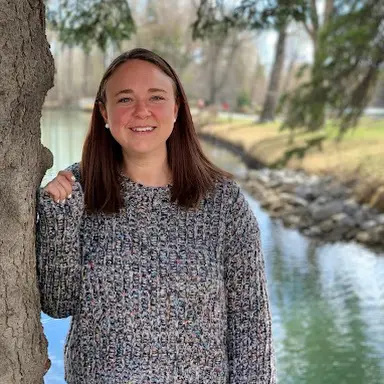
Tiffany Warren
Registered Psychologist
Hello, I’m Tiffany Warren, a Registered Psychologist in Calgary, Alberta, and the founder/director of Calgary Mental Health and Wellness Centre. With 15+ years of experience, I support children, teens, and adults through life’s challenges. As a relationship-based therapist, I believe in the power of the therapist-client connection, fostering empathy, compassion, and unconditional positive regard.
How do therapists in New Brunswick compare?
Number of therapists listed
Average years in practice
Currently accepting new clients
Therapists in New Brunswick who prioritize treating:
How therapists see their clients
Top therapy approaches used in New Brunswick:
Frequently Asked Questions About Narrative
What is narrative therapy?
Narrative therapy, developed by Michael White and David Epston, is based on the idea that people understand their lives through stories — and that the stories we tell about ourselves profoundly shape our identity, our possibilities, and our wellbeing. When life stories become dominated by problems, loss, and negative self-description ("I am depressed," "I am a failure"), narrative therapy helps people examine those stories, notice their limits, and begin writing richer, more empowering accounts of who they are. The approach is deeply respectful of the person and explicitly attentive to social and political context.
What is "externalizing" in narrative therapy?
Externalizing is one of narrative therapy's core practices: it separates the problem from the person. Rather than "I am anxious," narrative therapy might speak of "Anxiety" as something that visits you, has an influence on you, and that you have a relationship with — rather than something you are. This linguistic shift creates space to examine how the problem operates, when it has more and less influence, and what your preferences are in relation to it. Externalizing is particularly helpful with children, who respond well to the idea that "the problem is the problem, not the person."
What issues does narrative therapy address?
Narrative therapy is used for depression, anxiety, trauma, grief, eating difficulties, relationship concerns, and identity questions. It is particularly well-suited for work with people whose identities have been shaped by marginalization — Indigenous clients, racialized individuals, people with disabilities, LGBTQ2S+ people — because it explicitly names the social and cultural forces that produce problem-saturated stories and refuses to locate problems solely inside individuals. It is often used with families and groups, not just individuals.
What does a narrative therapy session look like?
Narrative therapists ask curious, open questions that explore the influence of the problem, the history of your relationship with it, and the moments when things were different — "unique outcomes" or "sparkling moments" that contradict the dominant problem story. They help you identify values and commitments that have guided you, and use these as material for constructing an alternative, preferred story of your identity. Narrative therapists sometimes write therapeutic letters summarizing these discoveries, which clients report as among the most meaningful elements of the process.
How long does narrative therapy take?
Narrative therapy does not have a fixed session model — it adapts to the person and the presenting concerns. Some people find clarity in a handful of sessions; others engage in longer-term narrative work, particularly when identity reconstruction after trauma or marginalization is central. Narrative therapy can also be used in a single consultation format. Many therapists integrate narrative practices within a broader repertoire rather than as a standalone approach, drawing on the powerful practices of externalization and re-authoring when they are most applicable.