Women's Issues Therapists in New Brunswick
View all cities in New Brunswick

Verified by Theralist
Verified and in good standing. Last verified Nov 11, 2026
Verification confirms registration only, not fit or quality of care.
How verification worksRegistered Psychologist
Kate MacDonald is a registered psychologist and therapist in Alberta who works online with adults on anxiety, stress and depression, using CBT and ACT.

Verified by Theralist
Verified and in good standing. Last verified Nov 11, 2026
Verification confirms registration only, not fit or quality of care.
How verification worksRegistered Psychotherapist (Qualifying)
Emma Laughlan is a qualifying registered psychotherapist and therapist in Ontario who works online with teens and adults on anxiety, using IFS and DBT.

Verified by Theralist
Verified and in good standing. Last verified Nov 7, 2026
Verification confirms registration only, not fit or quality of care.
How verification worksRegistered Psychologist
Aleeza S. Mohamed is a registered psychologist and therapist in Calgary, Alberta, who works with women on trauma, PTSD, anxiety and grief.

Verified by Theralist
Verified and in good standing. Last verified Nov 11, 2026
Verification confirms registration only, not fit or quality of care.
How verification worksRegistered Psychologist
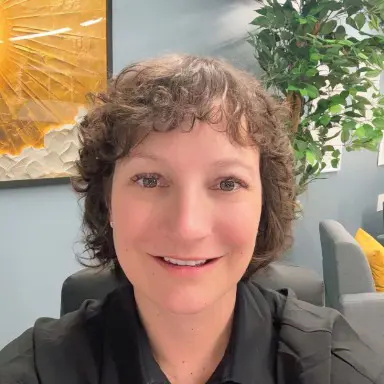
Aliya Manji is a registered psychologist and therapist in Calgary who works with adults and couples on anxiety, trauma and anger, using EMDR and CBT.
Verified by Theralist
Verified and in good standing. Last verified Nov 11, 2026
Verification confirms registration only, not fit or quality of care.
How verification worksClinical Therapist (Candidate)
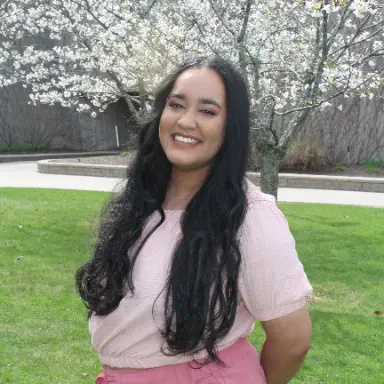
Lisa Hebert is a clinical therapist (candidate) in New Brunswick who works with teens and adults on anxiety, depression, ADHD and parenting.
Verified by Theralist
Verified and in good standing. Last verified Nov 6, 2026
Verification confirms registration only, not fit or quality of care.
How verification worksRegistered Psychotherapist
Ariel Dasrath is a registered psychotherapist and online therapist in Ontario for teens and adults on family conflict and peer relationships.
New Brunswick Therapists at a Glance
Number of therapists listed
Average years in practice
Currently accepting new clients
Therapists in New Brunswick who prioritize treating:
How therapists see their clients
Top therapy approaches used in New Brunswick:
Frequently Asked Questions About Women's Issues
What does "women's issues" mean in a therapy context?
Therapy for women's issues addresses the mental health challenges and life experiences that are particularly relevant to women's lives — including reproductive health (pregnancy, postpartum, menopause, fertility), body image, trauma and sexual violence, relationship and caregiving roles, workplace gender dynamics, identity across life stages, and the intersection of gender with race, culture, and sexuality. These are not "smaller" issues — they reflect real experiences shaped by both biology and social context.
When should a woman consider seeing a therapist who specializes in women's issues?
A women's issues specialist may be particularly valuable when you are navigating postpartum depression or anxiety, perimenopause or menopause, infertility grief, sexual trauma, body image or eating concerns, the mental load of caregiving, gender-based workplace stress, or a life transition tied to gender and identity. Many women also simply feel more comfortable processing certain experiences with a therapist who they feel will understand the gendered dimensions of their lives without needing to explain the context.
What is feminist therapy and how is it relevant to women?
Feminist therapy is an approach that explicitly considers the impact of gender, power, and social context on mental health. It challenges traditional therapy models that may pathologize responses to structural inequity and instead validates women's experiences as shaped partly by the social environment they live in. Feminist therapy promotes empowerment, authentic voice, and equality within the therapeutic relationship. It is relevant for any woman — not only those who identify as feminist.
How does postpartum depression differ from "baby blues"?
Baby blues — mild mood fluctuations, tearfulness, and fatigue in the first week or two after birth — affect up to 80% of new mothers and typically resolve on their own. Postpartum depression is more persistent, intense, and disabling, lasting beyond two weeks and significantly interfering with the ability to care for the baby or oneself. It affects approximately 10–20% of Canadian new mothers and is highly treatable with therapy, support, and sometimes medication. Postpartum anxiety, OCD, and psychosis are also recognized postpartum conditions.
Do I need to identify with a specific political or social viewpoint to benefit from women's therapy?
Not at all. Therapy for women's issues is simply therapy that acknowledges the specific experiences, pressures, and life events that are particularly relevant to women — it is not ideologically prescriptive. Women of any political view, cultural background, or religious tradition benefit from a therapist who understands these dimensions. What matters most is that you feel seen, understood, and supported in the context of your actual life.