Self Harming Therapists in Etobicoke, ON

Triena McGuirk
Registered Social Worker
My goal as a Therapist is to assist those I serve (individuals, couples and families) in reconciling the discomfort of their experience and harnessing the wisdom it carries to invite more of what aligns into their life. I am diligent and resourceful in my pursuit of helping, and I hope those I serve leave our time together with an embodied feeling of accomplishment and clarity.
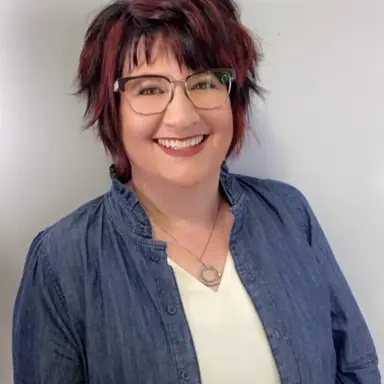
Treena Peters MSW, RCSW (AB), RSW (ONT)
Registered Clinical Social Worker
Welcome! If you are here, you are likely considering finding some support for what may seem like another one of life's never-ending challenges. I can support you with that. You have already taken the first step. All you need to do next is reach out and book a free consultation so we can discuss what it is you are looking for.

Sarah Lo
Registered Psychotherapist
If you’re feeling overwhelmed, confused, or emotionally drained from a relationship that’s left you questioning yourself, you're not alone. Whether you've experienced emotional highs and lows, blurred boundaries, manipulation, or patterns of coercive control, I’m here to help you make sense of it all. Together, we’ll gently explore the impact of these dynamics, including trauma and the emotional …

Daniela Arrieta Galvan
Registered Psychotherapist (Qualifying)
I am passionate about helping people heal from soul wounds created by historical, collective and relational trauma. Many of my clients struggle to find a sense of self & identity, disconnection to themselves & others and childhood & intergenerational trauma. I help them make meaning of their experiences, process emotions, heal wounds and find their way back to themselves.

Stephanie Campoli
MSW, RSW
Stephanie Campoli Psychotherapy is a trauma-focused practice in Oshawa, Ontario, offering in-person therapy and virtual psychotherapy across Ontario and Nova Scotia. The practice specializes in comprehensive Dialectical Behaviour Therapy (DBT), trauma therapy, and addictions treatment, with particular expertise in supporting people living with Borderline Personality Disorder (BPD) and trauma.
How do therapists in Etobicoke, ON compare?
Number of therapists listed
Average years in practice
Currently accepting new clients
Therapists in Etobicoke, ON who prioritize treating:
How therapists see their clients
Top therapy approaches used in Etobicoke, ON:
Frequently Asked Questions About Self Harming
What is self-harm and why do people do it?
Non-suicidal self-injury (NSSI) — commonly called self-harm — refers to deliberate physical harm to oneself (such as cutting, burning, or hitting) that is not intended as a suicide attempt. Self-harm most often serves a function: it may provide temporary relief from overwhelming emotional pain, a sense of control when life feels chaotic, a way of feeling real when emotionally numb, or a means of expressing or punishing feelings that have no other outlet. Understanding the function — not just stopping the behaviour — is central to effective treatment.
Who is most affected by self-harm?
Self-harm is most prevalent among adolescents and young adults — research suggests 17–24% of adolescents in Canada engage in NSSI at some point. It occurs across genders, though it presents differently: females are more likely to cut, males to burn or hit. Self-harm is strongly associated with emotional dysregulation, trauma, depression, anxiety, and borderline personality disorder, but also occurs in people without a formal diagnosis who are struggling with overwhelming life circumstances.
What therapy approaches are most effective for self-harm?
DBT (Dialectical Behaviour Therapy) has the strongest evidence base for self-harm, specifically because it directly targets emotional dysregulation and teaches concrete distress tolerance skills as alternatives to self-harm. CBT addresses the thoughts and beliefs that drive self-harm. Trauma-informed approaches are important when self-harm is connected to traumatic experiences. Treatment begins with safety planning and building alternative coping strategies before exploring the deeper emotional roots of the behaviour. A non-judgmental, curious therapeutic stance is essential.
Is self-harm the same as suicidal behaviour?
Non-suicidal self-injury and suicidal behaviour are distinct, though they can co-occur. NSSI is not intended to cause death — in fact, many people who self-harm report that it helps them manage pain enough to keep living. That said, a history of NSSI is a risk factor for suicidal ideation and attempts, and should always be assessed in that context. A therapist will assess both when self-harm is a presenting concern, and will include suicide risk evaluation as part of the clinical picture.
What should I do if someone I care about is self-harming?
Stay calm, listen without judgement, and avoid reacting with panic or anger — escalating reactions can reinforce the secrecy and shame that perpetuate self-harm. Express care and concern directly. Encourage the person to speak with a therapist, and offer to help them find one if they are willing. If you are worried about immediate safety, contact a crisis line or take them to an emergency room. Supporting someone who self-harms can be distressing — your own mental health and support matter too, and therapy or a support group for family members is a valid option.