Trauma Focused Therapists in Guelph, ON
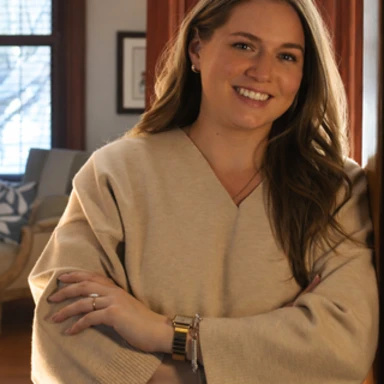
Jillian Ivany
Registered Psychotherapist
Life can feel overwhelming, leaving you anxious, disconnected, or stuck in painful patterns. I offer Internal Family Systems (IFS) therapy in a warm, non-judgmental space where all parts of you are welcome. Together we explore your inner world with curiosity to support healing, clarity, and connection to yourself and others. I offer virtual/in person session. Free 15min consultations available.

Shannon McNally
Registered Psychotherapist (Qualifying)
A safe space for real life. I'm a mom of two, with both professional and lived experience supporting neurodivergence through my own family's journey. At NeuroNest, you'll find a welcoming space to feel heard, seen and understood to explore your story at your own pace.
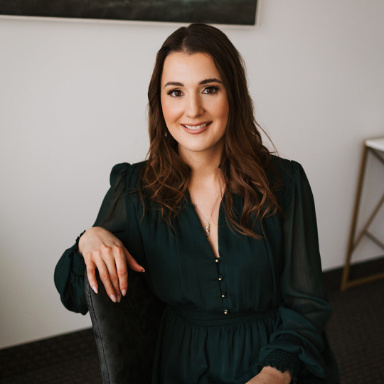
Heather Andrew
Registered Clinical Social Worker MSW RCSW
Heather Andrew is the founder of Aspen Wellness Centre. Heather has been a Mental Health Therapist for over eight years, supporting clients with a variety of needs including complex trauma, ADHD, PTSD, grief, anxiety, depression, family conflict and more. Heather is passionate about providing trauma informed care to her clients and is a fierce advocate for mental health awareness.
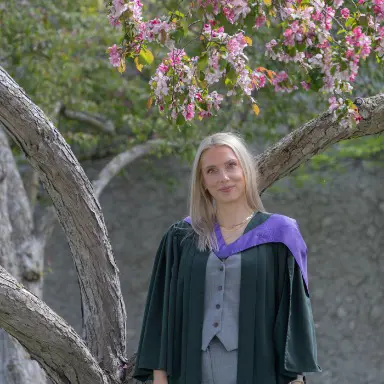
Janalyn Dodds MSW, BSW, RSW
Registered Social Worker/ Psychotherapist
I am a Registered Social Worker and psychotherapist with The Support Station, a Canadian-based, woman-owned organization that believes cost shouldn't be a barrier to accessing quality mental health and wellness support. Each client's session fees are adjusted according to not only their monthly income, but also any bills and debts paid out regularly get considered as well.
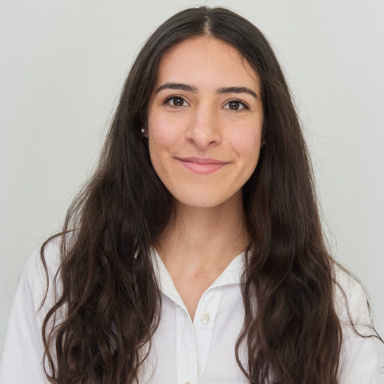
Annie Szalkai
Registered Psychotherapist
I work with adults from diverse backgrounds, supporting those navigating anxiety, stress, and self-esteem challenges. My approach is client-centred and integrative, drawing from CBT, ACT, EFIT, Solution-Focused Therapy, and more to meet each person’s unique needs.
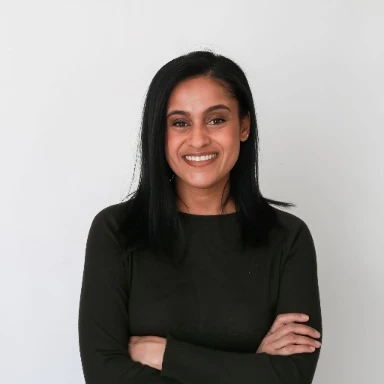
Mandeep Lalli
Registered Psychotherapist (Qualifying)
Are you feeling anxious, overwhelmed or stuck? Maybe something feels wrong? I help people navigate anxiety, depression, ADHD, trauma, and relationship struggles, with culturally sensitive care that honours your full background, including pressures others may miss. As a South Asian therapist who spent 15 years in the corporate world, I bring lived experience and real-world context to therapy.
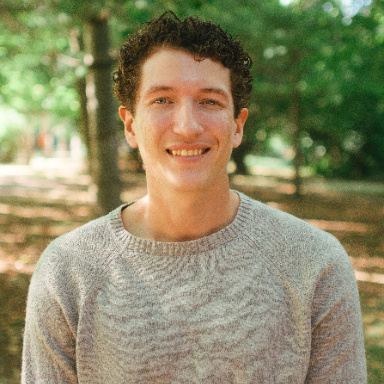
Parker Willis
Registered Psychotherapist (Qualifying)
Feeling disconnected from yourself can make every challenge feel heavier. I work with adults, young men, school‑aged children, and teens to understand their inner world, navigate anxiety and stress, and reconnect with who they are becoming. Reach out to book a 15‑minute consultation.

Haley Moore
Registered Social Worker (RSW)
Welcome to Therapy Uninterrupted, where your mental well-being is our top priority. We understand that life can be challenging, and sometimes we all need a little extra support. As a team of dedicated clinicians, we are here to help you navigate through your journey and find the strength within yourself to heal and grow.
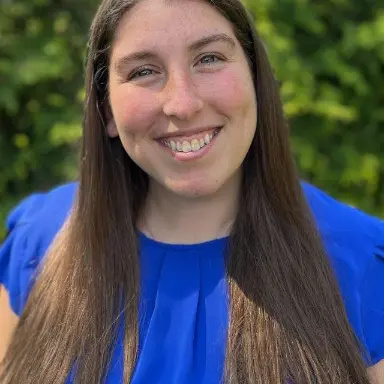
Alysha Bernstein
Registered Psychotherapist, Clinical Supervisor & Traumatologist
I am a registered psychotherapist with a decade of experience in mental healthcare. I have built an authentic, client-centred, and empathic space in my private practice since 2020. We provide care for a wide range of mental health issues and couples or family conflict. My team is as accessible and affordable as possible and we are constantly learning new and better ways to support our clients
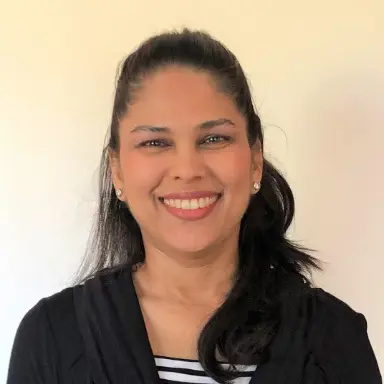
Karina Ramdath (she/her)
Registered Social Worker, Psychotherapist
Karina will honour your skills, values, and experiences to help you improve your personal mental health, overcome trauma, and/or improve relationships. Karina provides effective therapy to help you achieve your wellness goals.
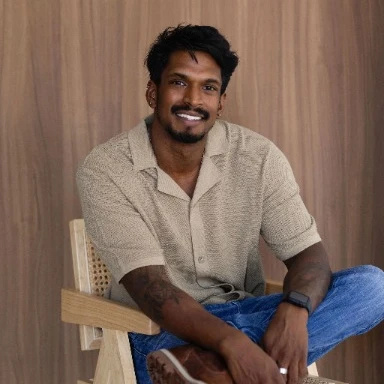
Daniel Wayow
Registered Psychotherapist
Daniel is a therapist specializing in men’s issues, relationships, addiction, and depression, while also working with women and couples. Rejecting rigid, clinical therapy, he uses humor, curiosity, and holistic care—integrating mind, body, and spirit. With a background in fitness and NASM nutrition training, he offers a collaborative, down-to-earth approach so clients never have to do life alone.

Jessica DeMille
Registered Psychotherapist (Qualifying), MACP, B.Sc (Hons)
I work with individuals, couples, families, and children (10+), providing a safe, supportive space for exploration and growth. Using an integrative, client-centered approach, I help clients navigate anxiety, depression, relationships, and life transitions, fostering resilience, self-awareness, and meaningful change. Together, we explore tools and strategies to support emotional well-being.
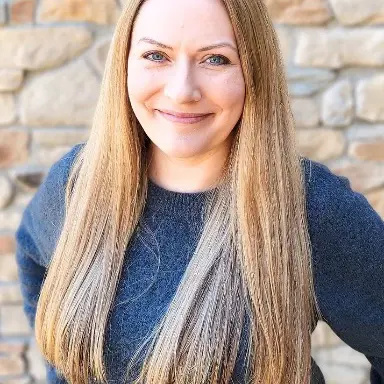
Cayla Townes
Registered Psychotherapist
After years of working in a variety of settings with clients struggling with different life challenges, there's not much I haven't seen. My goal is for clients to walk away from therapy with me feeling validated, supported, and confident using the skills and knowledge they've learned in sessions. I look forward to learning more about how I can support you. Schedule a free consult today!
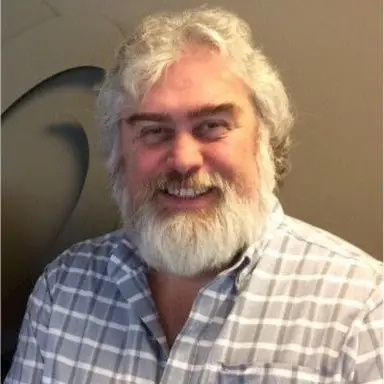
Greg Clarke
Mental Health/Addiction Counsellor - RSSW, Psychotherapist , CCAC MATS CPGC
Hello, I’m Greg Clarke. I have spent the last 40 years working in the mental health and addiction field. Throughout my career, I have focused on providing compassionate support to individuals facing a variety of challenges, including addiction, problem gambling, chronic conditions, grief and bereavement, life changes and ageing, as well as anxiety and depression.
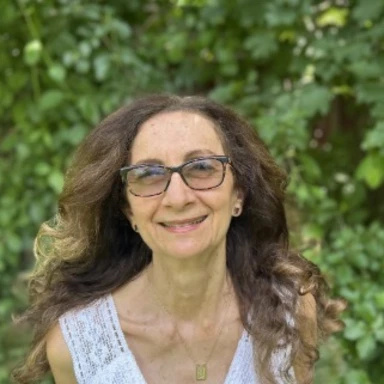
Rose Pinghera
MS, Registered Psychotherapist (Qualifying), Canadian Certified Counsellor (CCC), Member of Ontario Association of Mental Health Practitioners
Your grit shines! You are courageously seeking support to overcome the barriers that distance you from your sun within. Are you feeling overwhelmed with: anxiety, depression, relationship challenges, stress, and/or trauma? Are these barriers blocking your: hope, joy, and/or peace? You are much more than your challenges. You have a unique reservoir of self-knowledge!

Michael Peddle
Registered Psychotherapist (RP), Canadian Certified Counsellor (CCC), Certified IFS Therapist
Since 2011, I’ve supported clients through trauma and attachment wounds using IFS as my core approach. I integrate EMDR, SFBT, and evidence-based techniques to help people heal burdens, strengthen inner safety, and reconnect with their most grounded, empowered selves.
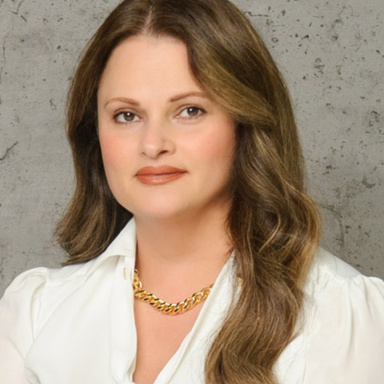
Kim Michael
Registered Psychotherapist
Betrayal and relationship trauma can leave you stuck, anxious, and unsure where to turn. I help couples recover after infidelity and individuals whose past wounds shape how they trust and connect. Using the Gottman Method, trauma-informed care, and clinical hypnotherapy, we'll rebuild trust and create lasting change. Virtual across Ontario. Evening & weekend appointments. Free 15-min consult.
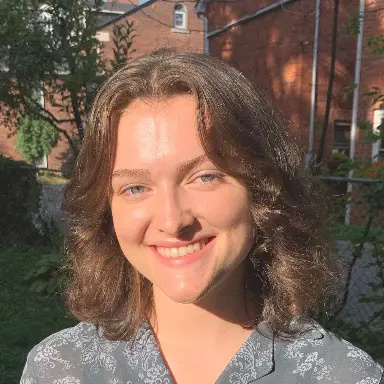
Victoria Brassard Counselling
Registered Psychotherapist (Qualifying)
Hi, I'm Victoria Brassard-Monahan, a Registered Psychotherapist (Qualifying) with a Master of Counselling Psychology and an Honours Bachelor of Arts in Psychology (with Distinction). I am currently practising under the supervision of Kim Lawrence (BScH, MSW, RSW). I work best with folks seeking counselling for anxiety, ADHD support, burnout, grief, childhood trauma, PTSD, and relationship issues.
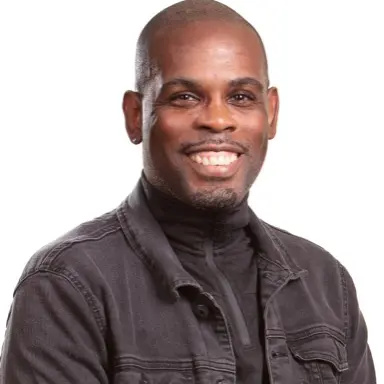
DeRoux Jones
Registered Psychotherapist
I’m DeRoux Jones, a Registered Psychotherapist in Ontario with a Master of Counselling Psychology specializing in Marriage & Family Therapy. I serve individuals, couples, and families, helping with anxiety, depression, grief, relationships, and Christian counselling. My approach is collaborative, evidence-based, and client-centered, creating a safe space for growth and healing.
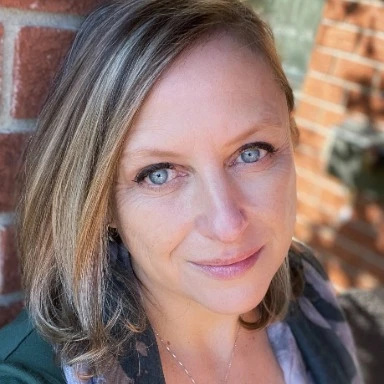
Allison Mundle
Registered Psychotherapist, Sandalwood Psychotherapy
Online therapy for women in Ontario navigating anxiety, relationships, and emotional overwhelm. You may look like you are holding everything together, while inside you feel anxious, emotionally drained, or disconnected from yourself. Maybe you are used to keeping the peace, carrying too much, or saying yes when something inside you is saying no.
How do therapists in Guelph, ON compare?
Number of therapists listed
Average years in practice
Currently accepting new clients
Therapists in Guelph, ON who prioritize treating:
How therapists see their clients
Top therapy approaches used in Guelph, ON:
Frequently Asked Questions About Trauma Focused
What is trauma-focused therapy?
Trauma-focused therapy refers to a family of therapeutic approaches specifically designed to address the psychological impact of traumatic experiences. Rather than only managing symptoms, these approaches help clients directly process traumatic memories, reduce their emotional intensity, and integrate them into a broader understanding of their lives. Trauma-focused therapy is indicated for PTSD, complex trauma, childhood abuse, sexual violence, accidents, grief, and many other trauma-related presentations.
How is trauma-focused therapy different from general therapy?
General therapy often addresses current functioning, coping, and emotions without directly engaging with traumatic memories. Trauma-focused therapy explicitly targets the memories, beliefs, and physiological responses connected to past trauma. It typically follows a phased approach: establishing safety and stabilization, processing traumatic material, and then integration and reconnection with life. This structure is important because jumping to trauma processing before a client has sufficient stability can be destabilizing rather than helpful.
What trauma-focused approaches are most evidence-based?
EMDR (Eye Movement Desensitization and Reprocessing), Cognitive Processing Therapy (CPT), and Prolonged Exposure (PE) therapy have the strongest research evidence for PTSD. Trauma-Focused CBT (TF-CBT) is the leading approach for children and adolescents. Somatic therapies such as Somatic Experiencing and Sensorimotor Psychotherapy, and phase-based models like EMDR-based FLASH and IFS, are also widely used for complex and developmental trauma where standard single-modality approaches may be insufficient.
How do I know if I need trauma-focused therapy rather than general therapy?
Signs that trauma-focused therapy may be particularly beneficial include: intrusive memories or flashbacks, nightmares, emotional numbness or avoidance of trauma-related reminders, hypervigilance, difficulty trusting others, significant shame, or the sense that you have tried general therapy without full resolution of symptoms. An assessment with a trauma-trained therapist can determine whether and what kind of trauma-focused work is appropriate for your presentation.
Is trauma-focused therapy safe?
When conducted by a trained therapist using an established protocol, trauma-focused therapy is safe and effective. Reputable approaches are designed to keep arousal within a manageable "window of tolerance" — avoiding both re-traumatization and emotional shutdown. Stabilization work done before processing ensures that clients have sufficient coping resources. If you feel unsafe at any point in trauma therapy, you can and should communicate this to your therapist, who will adjust the pace and approach.