Bipolar Disorder Therapists in Kitchener, ON

Johann Kong
MSW,RSW
I can bring in our work together a wide range of expertise and experiences from a seasoned professional mindset that puts your needs at the centre. More importantly, I understand pain and trauma and know how hard it can be to navigate through these experiences towards health and wellness. I am committed to providing a safe, caring, non-judgmental space to support you in your journey.

Cherisse N. Doobay
Therapist
In our first session, I will ask you to share your story about your current struggles. We will work collaboratively to identify the core issues and what your goals are for our work together. At the core of my work is the belief in the resiliency of the human spirit; and that change can happen when we connect with each other and with our human nature.
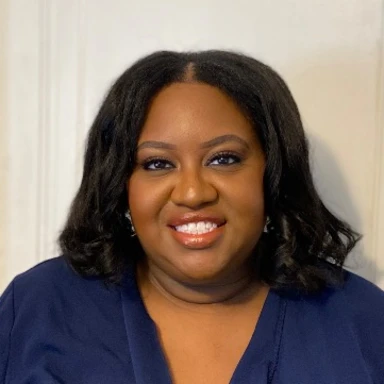
Avery Trice
Registered Social Worker
Need someone to talk to? Feeling lost or hopeless? Going through a major life change or transition? When life gives us more than we feel we can handle, it can help to have someone to lean on. Allow me to support you as you navigate through life’s challenges. My clinical specialties include working with people experiencing symptoms of anxiety, depression, and mood disorders.

Ekta Sehgal
Registered Psychotherapist
Life can be heavy sometimes. Maybe you're feeling stuck, overwhelmed, or caught in patterns that don’t serve you anymore. Or maybe you’re carrying grief that no one sees, struggling in relationships, or just feeling disconnected from yourself. Whatever it is, you don’t have to figure it out alone. Therapy isn’t about having all the answers—it’s about having a space where you can be real, messy, a…

Michelle Mailhiot
Registered Psychotherapist
The approach I use is trauma-focused Cognitive Behaviour Therapy (CBT), attachment-based Emotionally Focused Therapy (EFT), Compassion Focused Therapy, and Eye Movement Desensitization and Reprocessing (EMDR) for complex trauma. EMDR is an effective form of trauma therapy that has been extensively researched to help people who have experienced trauma resume the brain’s natural healing process.

Serena Welsh
Registered Psychotherapist (Qualifying)
Hi, I'm Serena! I'm a Masters-level therapist in Ottawa working with teens, adults, and couples. I specialize in relationship concerns, emotion regulation, trauma, BPD, and Bipolar Disorder. My approach is warm, flexible, and judgment-free. Reach out for a free, 15-minute consult to see if we could be a good fit.
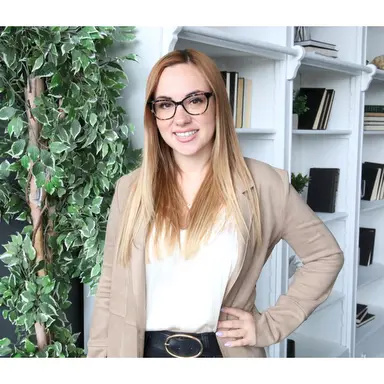
True Roots Therapy-Alyssa Haim
Registered Psychotherapist (RP)
Providing evidence-based and trauma informed psychotherapy to individuals, couples and families

Martha Li
Registered Psychotherapist
I am a Registered Psychotherapist based in Oakville, Ontario. I help you feel understood and supported as we explore what's weighing on you. Together, we uncover patterns, build coping strategies, and nurture the skills you need to thrive. My goal is to create a safe space where you can grow, heal, and feel more connected.
How do therapists in Kitchener, ON compare?
Number of therapists listed
Average years in practice
Currently accepting new clients
Therapists in Kitchener, ON who prioritize treating:
How therapists see their clients
Top therapy approaches used in Kitchener, ON:
Frequently Asked Questions About Bipolar Disorder
What is bipolar disorder?
Bipolar disorder is a mood condition characterized by significant episodes of mood extremes — mania or hypomania (elevated, expansive, or irritable mood with increased energy and reduced need for sleep) alternating with depressive episodes. Bipolar I involves full manic episodes; Bipolar II involves hypomania and major depression. Both types significantly impact daily functioning and relationships. Onset is typically in late adolescence or early adulthood, and bipolar disorder is a lifelong condition that can be effectively managed with the right combination of medication and psychological support.
Why is therapy important alongside medication for bipolar disorder?
Medication — typically mood stabilizers and/or atypical antipsychotics — is the foundation of bipolar treatment and reduces the frequency and severity of episodes. However, medication alone leaves significant gaps. It does not address the psychosocial impact of the disorder, and medication adherence is a persistent challenge, particularly during hypomanic states when people feel well and may stop taking medication. Research consistently shows that medication combined with therapy produces better outcomes than medication alone.
What therapy approaches are used for bipolar disorder?
Psychoeducation — understanding the nature of bipolar disorder, recognizing early warning signs of episodes, and developing a mood management plan — is foundational and has strong evidence. Interpersonal and Social Rhythm Therapy (IPSRT) stabilizes mood by regulating daily routines such as sleep, activity, and meals, which directly influence mood stability. CBT for bipolar addresses thought patterns specific to each phase. Family-focused therapy improves communication and reduces stressors that can trigger episodes.
What are the particular challenges of therapy during different phases of bipolar disorder?
Therapy looks different across phases. During depression, the challenge is engagement and activation — depression impairs motivation and hopeful thinking. During hypomanic or manic states, insight is often reduced and the person may not recognize that their elevated mood is problematic. Between episodes, stable periods are typically the most productive time for therapy — building skills, processing the impact of past episodes, and preparing for future ones. Therapists with bipolar experience adapt their approach to the current phase.
How long does therapy for bipolar disorder continue?
Bipolar disorder is a long-term condition, and therapy tends to be ongoing rather than time-limited — though frequency typically shifts over time. In periods of stability, monthly or quarterly sessions maintain gains and provide monitoring. During transitions, stress, or early warning signs, more frequent sessions offer support. Many people find that an ongoing therapeutic relationship — one that knows their history, patterns, and vulnerability periods — is as valuable as any specific technique.